

BASL Begins Strategic Engagements with Airline Partners to Boost Passenger Experience at MMA2
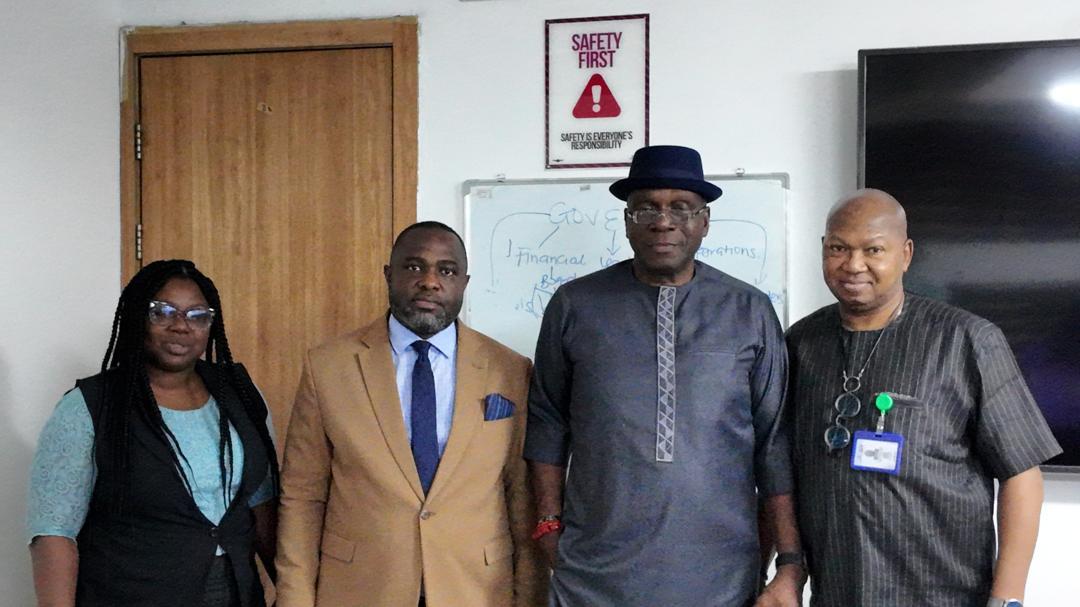
Bi-Courtney Aviation Services Limited (BASL), operators of the Murtala Muhammed Airport Terminal Two (MMA2), has commenced a series of strategic engagement sessions with its airline partners aimed at enhancing passenger experience and aligning operational strategies in anticipation of increased traffic volumes.
The engagement initiative formally began last week with courtesy and working visits by the BASL management team to the corporate headquarters of United Nigeria Airlines, Aero Contractors, and ValueJet Airlines.
During the visits, BASL held extensive executive-level discussions with the Managing Directors and Chief Executive Officers of the respective airlines, focusing on operational performance during the December peak travel period and the implications of projected growth for terminal operations.
According to BASL, the sessions were designed to foster open and candid dialogue with airline partners on shared operational challenges and opportunities.
United Nigeria Airlines, during its engagement, outlined its fleet expansion plans for 2026 and underscored the need for terminal capacity, infrastructure upgrades, and operational coordination to keep pace with airline growth.
Aero Contractors and ValueJet Airlines raised similar concerns, particularly emphasising effective crowd management and the streamlining of passenger processes to ensure seamless operations as traffic volumes continue to rise.
Responding to the concerns, BASL management, led by the Acting Chief Operating Officer and Head of Aeronautical and Cargo Services, Mr Remi Jibodu, noted that passenger demand patterns have evolved significantly over the nearly two decades of MMA2’s operations.
He outlined a range of immediate and medium-term measures being implemented to stabilise operations and significantly improve the overall passenger experience.
Among the immediate measures highlighted are the deployment of mobile check-in counters to boost passenger processing capacity during peak periods, enhanced crowd control arrangements, and the provision of additional manpower across key operational areas, including security screening and baggage handling.
Looking ahead, BASL disclosed plans to roll out several medium-term initiatives to support sustainable growth at the terminal. These include the introduction of an International Air Transport Association (IATA)-aligned slot coordination system, designed to collaboratively balance airline demand with terminal and airside capacity.
The company also plans to reintroduce self-check-in kiosks to ease passenger processing, implement apron decongestion measures, and improve aircraft parking discipline.
As part of these efforts, BASL is considering a progressive fee structure to discourage prolonged aircraft parking on the apron, alongside planned upgrades to the baggage handling system to ensure smoother and more efficient operations.
Mr Jibodu also used the engagements to seek the active support and collaboration of airline partners on the proposed slot guidelines, assuring them that the framework would be transparent, aligned with airlines’ revenue objectives, and firmly focused on delivering an excellent passenger experience.
The discussions further addressed the importance of improved data transparency and coordinated communication. BASL and the airlines explored the development of a digital platform that would provide accurate, real-time operational updates to airlines and other stakeholders, with the aim of enhancing transparency, coordination, and confidence in flight operations.
In addition, the engagement sessions considered the need to strengthen collaboration with traffic management agencies, including the Federal Road Safety Corps (FRSC) and the Lagos State Traffic Management Authority (LASMA), to improve road traffic coordination during periods of high passenger influx to the terminal.
BASL reaffirmed its commitment to continuous engagement with airline partners, regulators, and other stakeholders, stressing that such collaboration remains critical to delivering safe, efficient, and passenger-focused operations at MMA2, while supporting sustainable growth within the terminal’s operating environment.