
Customs Unveils Digital One-Stop-Shop to Slash Port Delays, Boost Trade Efficiency
The Nigeria Customs Service (NCS) has launched a new digital One-Stop-Shop (OSS) platform designed to eliminate bureaucratic bottlenecks at the nation’s seaports and reduce cargo clearance time to just 48 hours, marking a major milestone in Nigeria’s ongoing trade modernisation drive.
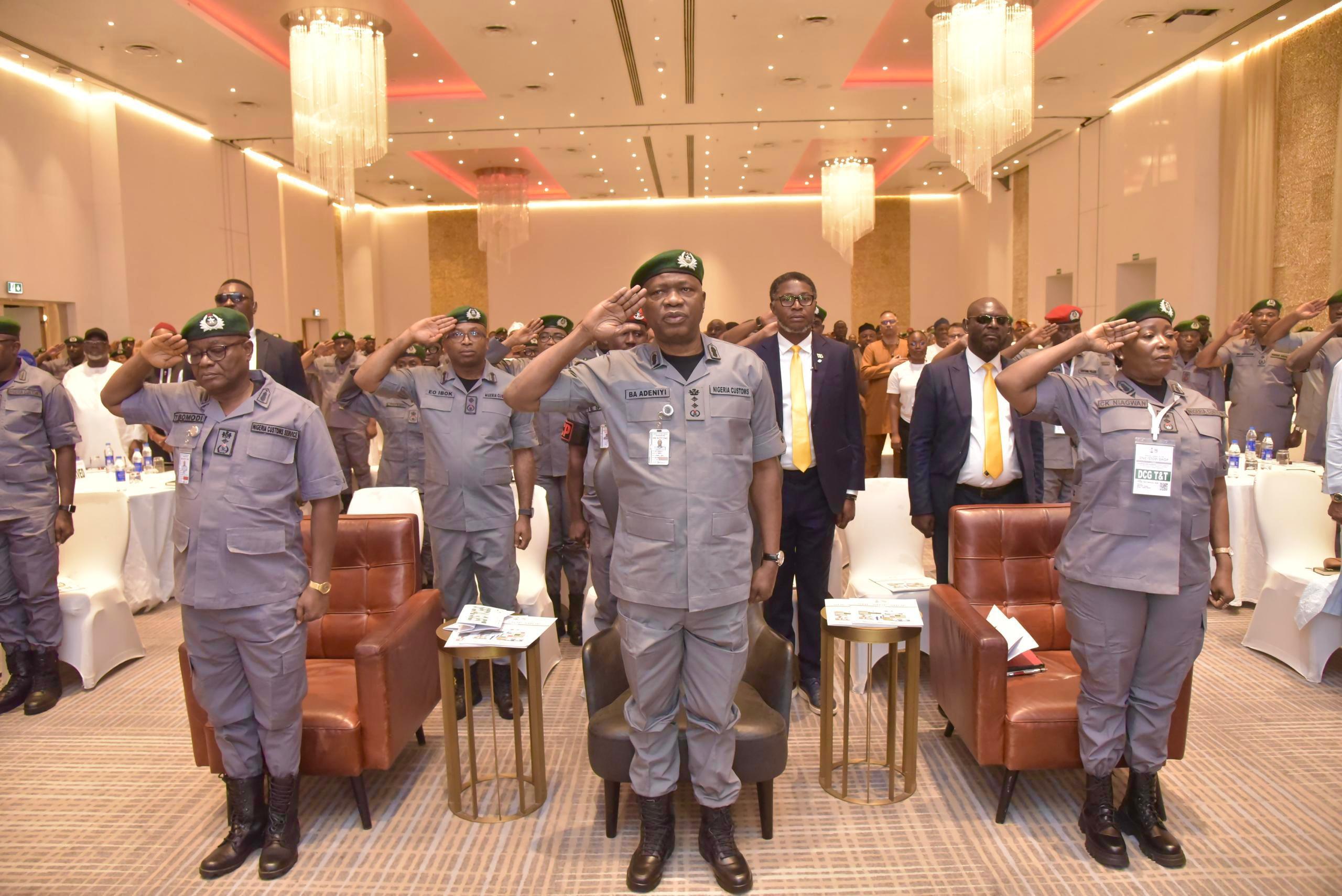
The initiative was formally unveiled in Lagos on Friday, 13 February 2026, where the Comptroller-General of Customs, Adewale Adeniyi, described the platform as a structural reform intended to transform border administration, streamline procedures, and enhance the country’s competitiveness in global commerce.
According to Adeniyi, the digital system represents a decisive shift in operational philosophy for Customs, moving from manual processes and fragmented interventions to a coordinated, technology-driven framework.
He emphasised that the platform is aligned with the economic reform agenda of President Bola Tinubu, which prioritises ease of doing business and institutional efficiency.
He further noted that the initiative reflects international best practice under the World Trade Organisation Trade Facilitation Agreement, which estimates that streamlined border processes could reduce trade costs in developing economies by more than 14 per cent. Such reductions, he explained, would strengthen Nigeria’s position as a regional logistics hub while attracting investment and stimulating export growth.
“This platform is a deliberate shift from fragmented interventions to coordinated governance, from discretion to data, and from isolated actions to collective responsibility,” Adeniyi said. “Through this reform, we continue to build systems that support lawful trade, protect national interests, and serve the economy with professionalism and integrity.”
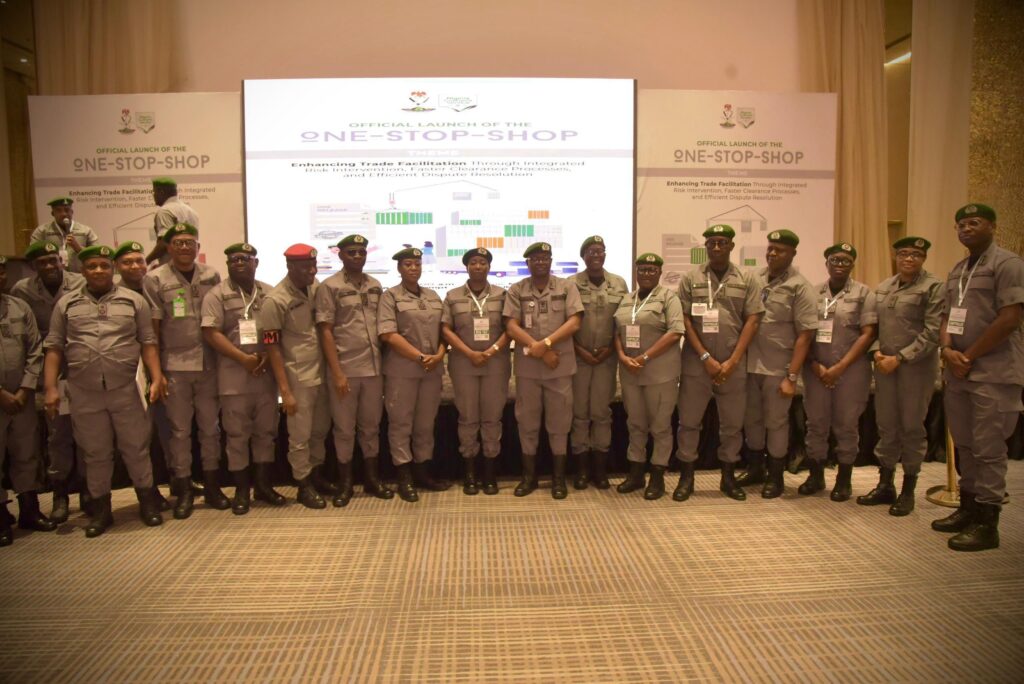
The Customs chief also disclosed that the Service is moving towards a fully paperless environment. The first phase of digital clearance and documentation is scheduled for rollout before the end of the second quarter of 2026, a development expected to drastically reduce physical contact points, curb delays, and minimise opportunities for corruption.
Comptroller-General of Customs in charge of Tariff and Trade, Caroline Niagwan, explained that the OSS platform integrates all risk-assessment and inspection processes into a single electronic interface. This consolidation replaces the multiple checkpoints that have historically slowed cargo movement and increased costs for importers and exporters.
She stated that the reform was informed by stakeholder feedback from port users, freight forwarders, and logistics operators who had long complained about duplication of checks and inconsistent procedures across agencies.
“We have listened to your feedback and recognised how multiple checkpoints and risk interventions affect business processes,” Niagwan said. “Your involvement in this engagement is crucial to the success of this reform.”
A technical briefing delivered by the Service’s Trade Facilitation Unit outlined detailed implementation strategies, highlighting that current average clearance times of about 21 days could be reduced to approximately 48 hours once the system becomes fully operational.
Officials also addressed anticipated challenges, including user adaptation, technical integration with partner agencies, and the need for continuous training.
Stakeholders present at the launch expressed strong support for the initiative, describing it as a long-awaited reform capable of improving Nigeria’s port efficiency and enhancing transparency in cargo handling. Many noted that faster clearance times would lower demurrage costs, reduce congestion, and encourage legitimate trade activities.
Industry observers say the digital platform signals a broader transformation within Customs, positioning the Service as a central player in national economic reform. If successfully implemented, analysts believe the OSS could significantly improve supply-chain reliability, boost investor confidence, and strengthen Nigeria’s standing in global trade rankings.
The launch concluded with an interactive session during which participants sought clarification on operational procedures, compliance requirements, and expectations for the phased rollout, underscoring widespread interest in the new system and its potential to reshape port operations nationwide.