
FAAN Rolls Out Three-Phase Waste Management Initiative to Drive Greener Airports
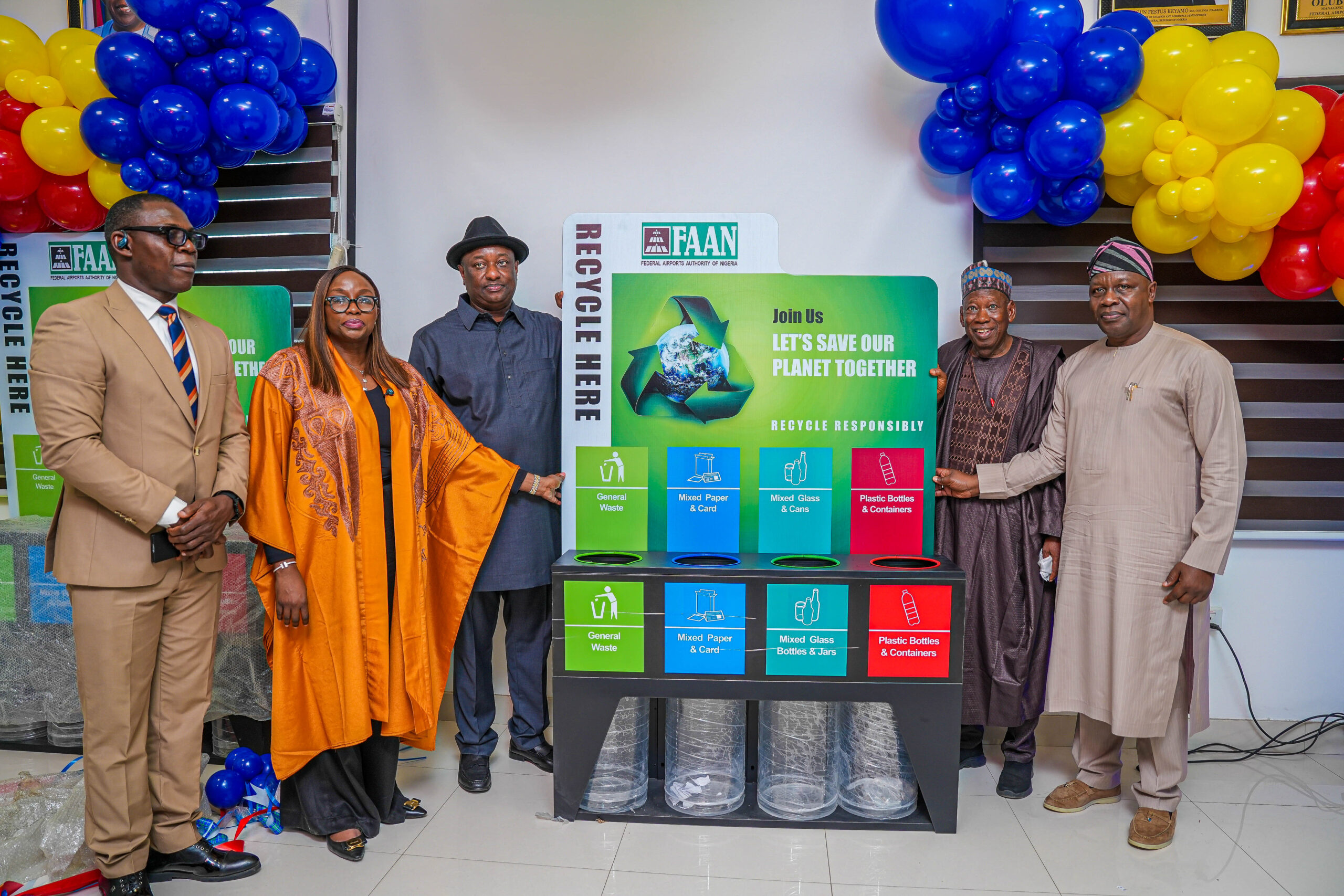
The Federal Airports Authority of Nigeria (FAAN) has commenced the implementation of a three-phase Sustainable Waste Management Programme with the unveiling of the first phase at the Murtala Muhammed International Airport (MMIA), Lagos, in a move aimed at improving environmental sustainability and bringing Nigeria’s airports in line with global environmental standards.
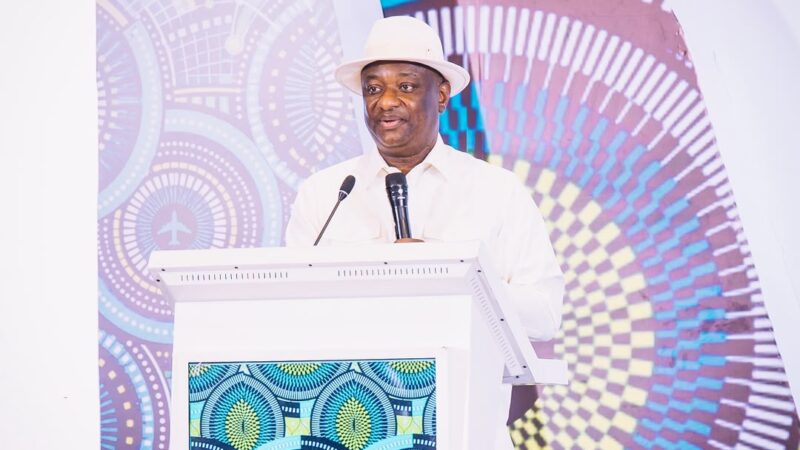
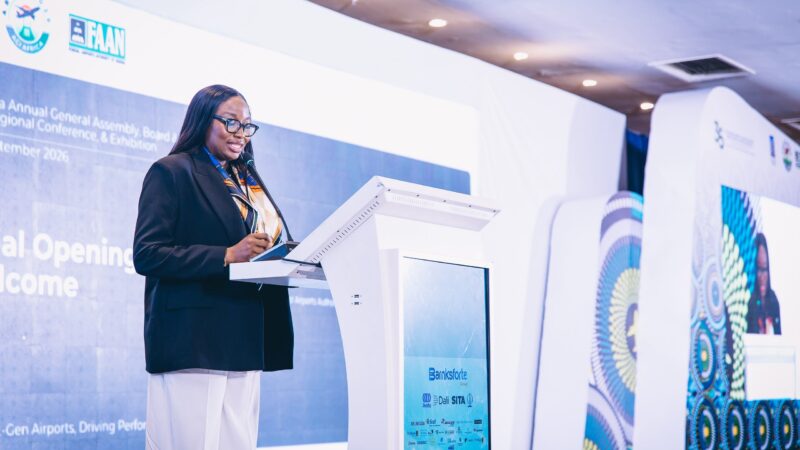
The programme was inaugurated on Wednesday by the Minister of Aviation and Aerospace Development, Mr Festus Keyamo (SAN), alongside the Chairman of the FAAN Board, Alhaji Umar Ganduje, and the Authority’s Managing Director and Chief Executive, Mrs Olubunmi Kuku.
The first phase of the initiative introduces indoor colour-coded recycling bins across airport terminals to encourage proper waste segregation and recycling by passengers, airport workers and other users of the facilities.
Speaking during the ceremony, Keyamo applauded the FAAN management for introducing the initiative, describing it as a significant milestone in the Authority’s drive to create cleaner, greener and more efficient airport environments.
The Minister said the programme demonstrates FAAN’s commitment to sustainable airport operations and reflects the Federal Government’s resolve to integrate environmentally friendly practices into the country’s aviation sector.
He noted that the adoption of structured waste management systems would not only improve the appearance of airport terminals but also contribute to environmental protection by reducing indiscriminate waste disposal and encouraging recycling.
Also addressing guests at the event, Ganduje described the initiative as a timely intervention in tackling climate change and other environmental challenges confronting modern societies.
He said the programme represents an innovative approach to waste management and called on all airport stakeholders, including airlines, concessionaires, service providers and passengers, to support its successful implementation.
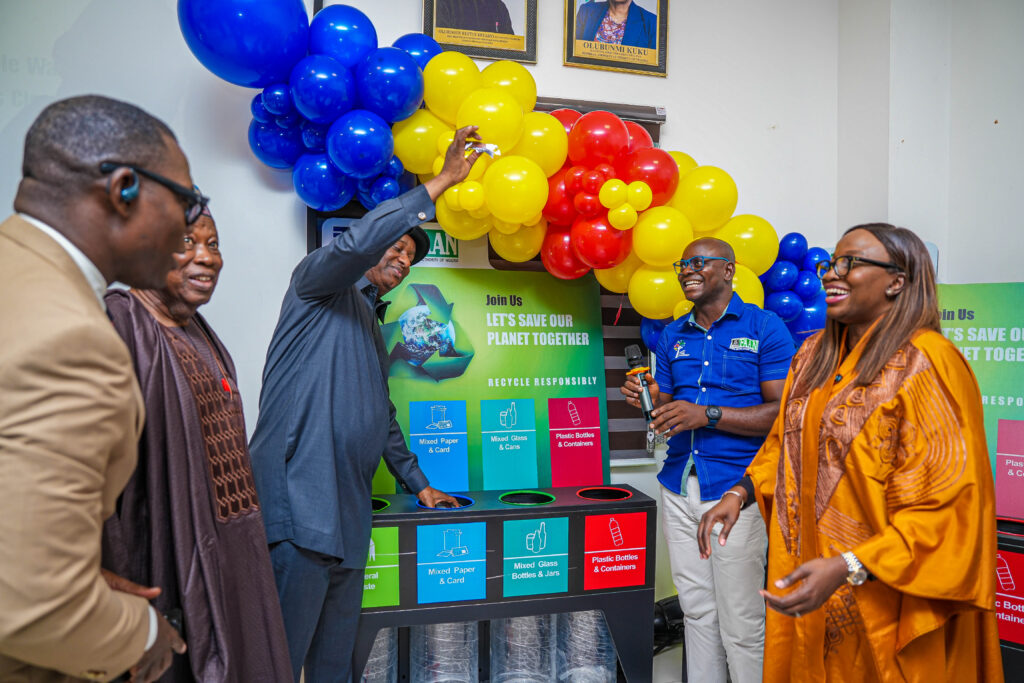
According to him, the sustainability initiative will require collective ownership and active participation to achieve its intended objectives.
Providing details of the programme, Kuku explained that the project is designed to strengthen FAAN’s environmental credentials while advancing the Authority’s ambition to move beyond Level 3 of the Airport Carbon Accreditation (ACA) programme.
She said the initiative would also provide the foundation for future waste-to-power projects capable of converting airport waste into useful energy resources.
Kuku outlined the three implementation stages, explaining that the first phase centres on the deployment of indoor colour-coded recycling bins within terminal buildings.
She said the second phase would extend the programme beyond the terminals through the installation of outdoor waste collection bins across the airport environment.
According to her, the third and final phase will involve partnerships with certified recycling firms that will collect and process sorted waste, including plastics, glass, aluminium cans and organic materials, ensuring that recyclable items are diverted from landfills.
The FAAN Managing Director said the initiative is expected to deliver both environmental and economic benefits by reducing waste volumes, lowering waste management costs and promoting a circular economy through the recovery and reuse of recyclable materials.
She further disclosed that the programme, which has commenced at the Murtala Muhammed International Airport, will soon be extended to other international airports across the country.
Kuku appealed to airport users and stakeholders to adopt proper waste segregation practices and make effective use of the colour-coded recycling bins, stressing that public participation would be critical to the programme’s long-term success.
The Sustainable Waste Management Programme forms part of FAAN’s broader strategy to improve operational efficiency, reduce the environmental impact of airport activities and position Nigeria’s airports among those embracing globally accepted sustainability practices.