
Nigeria Customs, US Chamber of Commerce Deepen Ties to Boost Trade Facilitation
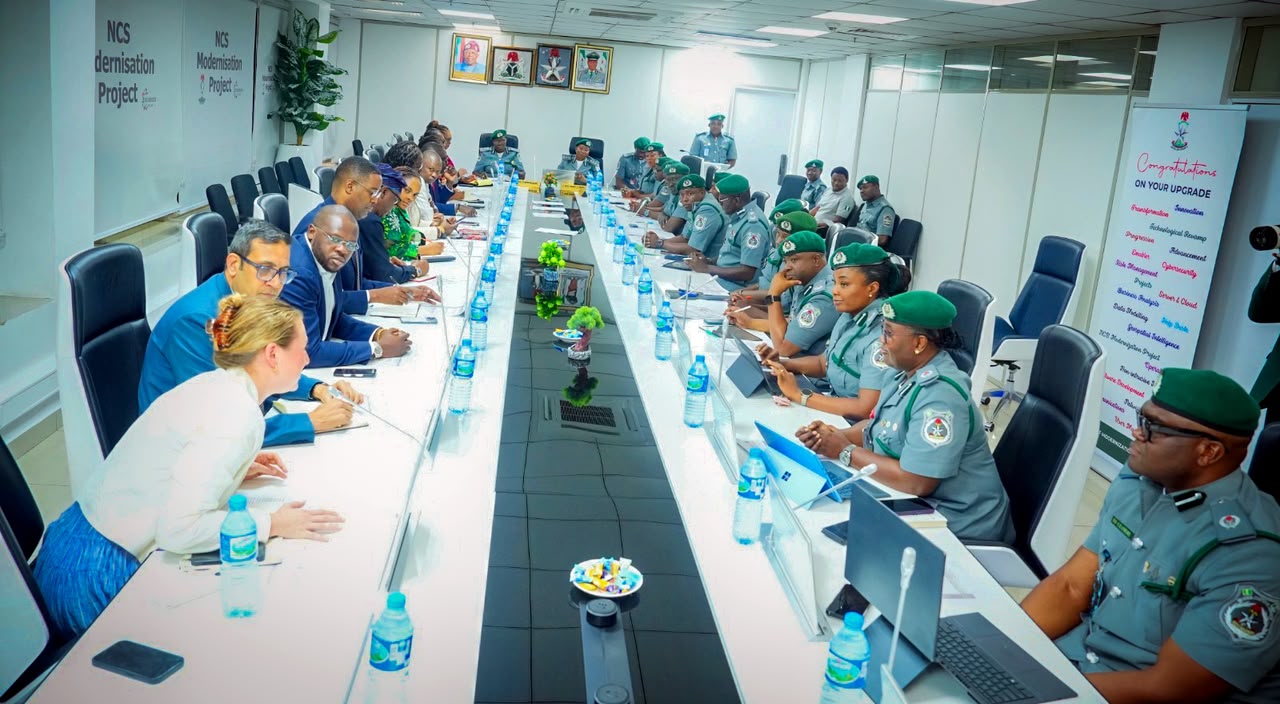
The Nigeria Customs Service (NCS) and key American business organisations have strengthened efforts to improve trade facilitation, enhance transparency and promote investment opportunities between Nigeria and the United States.
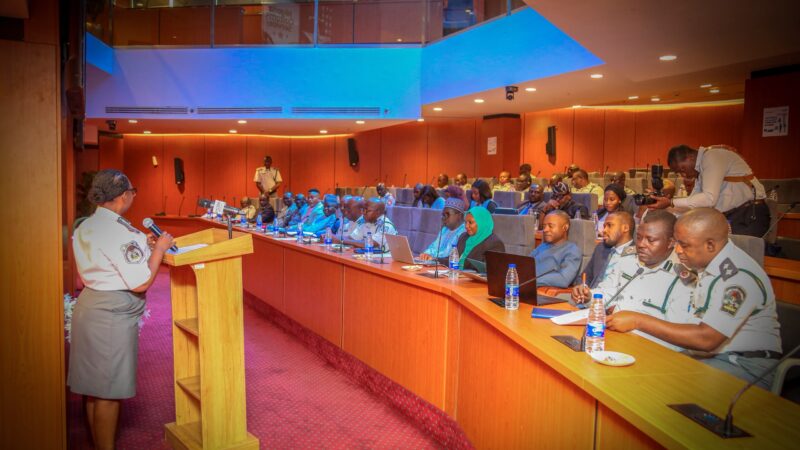
The commitment was reaffirmed during a quarterly stakeholder engagement between the NCS, the US Chamber of Commerce, the US-Africa Business Centre (USAfBC) and the American Business Council (ABC) at the Customs headquarters’ ICT Auditorium in Maitama, Abuja, on 28 October 2026.
The Comptroller-General of Customs, Adewale Adeniyi, represented by the Deputy Comptroller-General in charge of Tariff and Trade, Caroline Niagwan, said the engagement would deepen collaboration and economic cooperation between Nigeria and the United States.
Niagwan reaffirmed the service’s commitment to institutional reforms, operational efficiency, digital transformation and stronger engagement with stakeholders, particularly businesses operating in Nigeria and prospective investors.
Delivering the Comptroller-General’s message, she said the NCS was working towards building a modern, transparent and responsive Customs administration capable of facilitating trade while ensuring effective revenue collection, border security and compliance with applicable regulations.
She described the meeting as an opportunity for the service and American businesses to exchange views, address emerging concerns and strengthen cooperation towards improving the business environment.
According to her, predictable Customs procedures, transparent tariff administration, timely cargo clearance and effective dispute resolution mechanisms are essential to improving the ease of doing business and boosting investor confidence.
She noted that closer engagement with the private sector would enable the service to identify operational challenges affecting traders and investors and develop practical solutions to improve the movement of goods across Nigeria’s borders.
The Deputy Comptroller-General in charge of the ICT/Modernisation Department, Oluyomi Adebakin, outlined the service’s ongoing digital transformation initiatives, including the automation of licence and permit applications and the transition towards paperless administrative processes.
Adebakin also disclosed plans to deploy an additional 22 scanners across seaports, airports and border stations to strengthen cargo examination and improve operational efficiency.
The planned deployment is expected to support the modernisation of cargo inspection processes, although the effectiveness of the initiative will depend on implementation, equipment availability and integration with existing Customs systems.
The service also urged members of the business community to provide feedback on its digital platforms and operational procedures, saying their contributions would help identify bottlenecks and improve service delivery.
The initiatives form part of broader efforts to reduce administrative delays, improve transparency and make Customs procedures more predictable for businesses involved in international trade.
Speaking at the meeting, Kendra Gaither, President of the US-Africa Business Centre at the US Chamber of Commerce, commended the NCS for its contribution to Nigeria’s economic development, noting that efficient Customs operations often receive little recognition when trade processes run smoothly.
When Customs works well, when trade is facilitated, people are the ultimate beneficiaries,” she said.
Gaither stressed that effective Customs administration was critical to unlocking investment opportunities across strategic sectors, including agriculture, energy, critical minerals, healthcare and the digital economy.
She also expressed appreciation for the continued collaboration between the NCS and the American business community, highlighting the importance of sustained engagement in addressing trade-related challenges and strengthening economic relations.
For American companies seeking to enter or expand their presence in Nigeria, the efficiency of border procedures, the clarity of tariff requirements and the speed of regulatory approvals can influence investment decisions and operating costs.
Similarly, Nigerian businesses seeking access to the American market stand to benefit from stronger bilateral commercial relations and improved opportunities for cross-border trade and investment.
The Chief Executive Officer and Executive Secretary of the American Business Council Nigeria, Margaret Olele, also commended the Customs service for its progress in trade facilitation, transparency and stakeholder engagement.
Olele congratulated the service on its emergence as a top-ranked agency in the Presidential Enabling Business Environment Council (PEBEC) Compliance Assessment, describing the development as recognition of its efforts to improve the business environment.
She highlighted improvements in the Authorised Economic Operator (AEO) Programme, Advance Rulings and dispute resolution mechanisms, noting that the quarterly engagements had helped address longstanding challenges confronting businesses.
The AEO Programme is designed to support trusted businesses through improved trade processes, while advance rulings can provide greater certainty to importers and exporters on the classification and treatment of goods before transactions are completed.
These measures can help businesses plan shipments, assess applicable duties and reduce uncertainty associated with cross-border transactions.
The meeting underscored the importance of continued cooperation between the Customs service and the private sector in addressing barriers to trade and strengthening investor confidence.
However, the impact of the reforms will ultimately depend on how consistently they are implemented across ports, airports and border stations, as well as their ability to deliver measurable improvements in cargo clearance times, compliance procedures and the resolution of disputes.
Both sides expressed support for sustained engagement as Nigeria seeks to improve its trade environment and attract investment across key sectors of the economy.