
Umza Air Moves to Expand Fleet, Strengthen Domestic Routes, Targets Affordable Fares
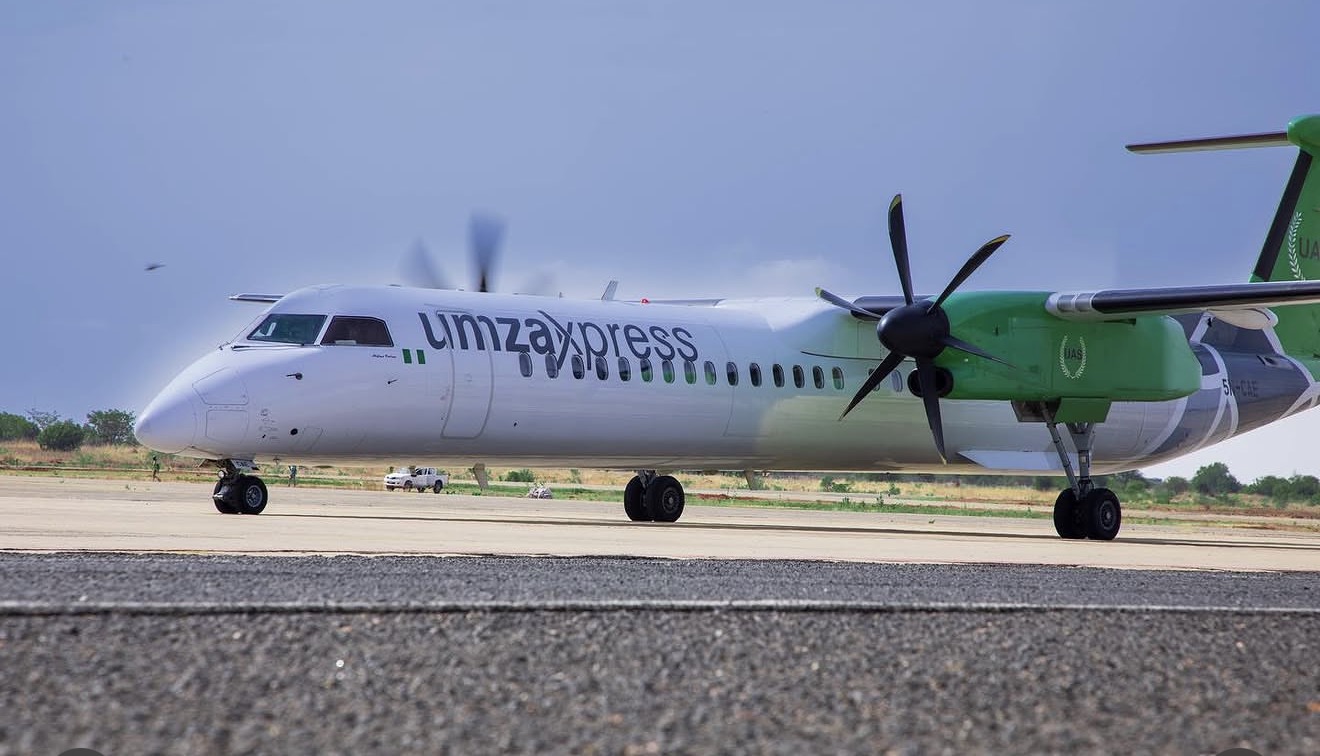
Umza Air has intensified efforts to expand its operations in Nigeria’s aviation industry, with plans to acquire additional Airbus aircraft, strengthen its domestic route network and provide passengers with more affordable air travel options.
The airline said its growth strategy was designed to address the changing needs of the Nigerian travelling public through competitive ticket prices, improved connectivity and reliable flight services, while maintaining the financial sustainability of its operations.
The Commercial Manager of Umza Air, Awotunde Adedeji, who disclosed this at a meeting with members of the League of Aviators and Aviation Correspondents (LAAC), said the airline was committed to building a commercially viable business capable of responding to the challenges and opportunities in the Nigerian aviation market.
He explained that the airline recognised the difficulties facing air travellers, particularly the increasing cost of tickets, flight disruptions and concerns about the quality of services provided by operators.
He said these considerations informed the airline’s commercial priorities, adding that its objective was to make air transportation accessible to more Nigerians without compromising the standards required for safe and dependable operations.
According to him, affordability, connectivity and operational reliability remain the major pillars guiding Umza Air’s commercial decisions.
Adedeji noted that although airlines were operating under considerable financial pressure due to rising industry costs, the company remained focused on offering competitive fares and providing passengers with alternative travel options.
On its domestic network, the Commercial Manager said Umza Air currently operates flights to Abuja, Kano, Birnin Kebbi, Maiduguri, Yola, Sokoto, Lagos, Ilorin and Gombe.
He explained that the destinations were selected to improve connections between important economic and regional centres, facilitate business activities and reduce passengers’ dependence on lengthy road journeys.
He particularly highlighted the importance of the Lagos-Northern Nigeria market, noting that the corridor attracts significant passenger traffic from business travellers, families, government officials and people undertaking various economic activities.
He said the airline was working towards strengthening its connections between Lagos and major northern destinations to provide passengers with more convenient travel opportunities.
However, he stressed that route expansion would be guided by passenger demand and commercial viability rather than simply increasing the number of destinations served.
He explained that the airline was interested in developing sustainable routes and providing appropriate flight frequencies that would reflect the actual transportation needs of passengers.
In another major development, Umza Air disclosed that it had concluded a purchase agreement for Airbus A320-200 and A340-600 aircraft as part of its long-term fleet development programme.
The Commercial Manager described the agreement, facilitated through its engagement with Airbus, as a significant development that would enhance the airline’s capacity and support its expansion objectives.
He explained that the A320-200 aircraft would be deployed for scheduled commercial operations, while the A340-600 would be dedicated to the airline’s 2027 Hajj operations and subsequent pilgrimage seasons.
The planned acquisition, according to him, would provide the airline with an opportunity to strengthen its operational capacity, diversify its services and increase its participation in international aviation activities.
Adedeji said the airline recognised that fleet expansion required substantial investment, careful planning and strategic partnerships, adding that its ambition was to build an operator capable of competing effectively while delivering value to customers.
Beyond its commercial and operational plans, the airline also stressed the importance of maintaining a strong relationship with aviation journalists, describing the media as an important stakeholder in the growth and development of the industry.
The Commercial Manager acknowledged the specialised nature of aviation reporting, noting that journalists covering the sector were required to understand complex issues relating to airline operations, safety, regulations and commercial activities.
He said reports about airline operations could significantly influence public confidence, passengers’ travel decisions and the reputation of operators.

He therefore urged aviation correspondents to uphold professionalism, accuracy and fairness in their coverage of developments within the industry.
He, however, assured journalists that Umza Air was open to scrutiny and constructive criticism, emphasising that the airline did not expect favourable reports at all times.
According to him, objective criticism would help the company identify operational shortcomings, address service-related concerns and improve its overall performance.
He encouraged journalists to seek clarification directly from the airline whenever questions arose about its operations, services or business decisions, assuring them that the management was willing to provide relevant information.
He also pledged that the airline would sustain an open communication channel with the aviation media and ensure timely access to information about its activities.
On the broader operating environment, the Commercial Manager identified foreign exchange pressures, rising operating costs, expensive aircraft maintenance, infrastructure limitations and increasing aviation service charges as major challenges confronting Nigerian airlines.
Adedeji observed that these factors had placed considerable pressure on operators and contributed to the rising cost of air transportation, making it increasingly difficult for airlines to balance commercial sustainability with passengers’ expectations for affordable fares.
He called for stronger cooperation among airlines, regulatory agencies, airport authorities, service providers and the media to address the challenges and create a more sustainable aviation industry.
He maintained that no single stakeholder could independently resolve the difficulties confronting the sector, stressing the need for collective efforts to improve the operating environment and support long-term industry growth.
He said Umza Air would continue to play its part through responsible business decisions, investments in operational development, improved passenger relations and expansion of its domestic network.
The Commercial Manager reiterated the airline’s commitment to maintaining a mutually beneficial relationship with LAAC, describing aviation correspondents as partners whose professional activities contribute to accountability, public awareness and the advancement of the industry.
He assured the association that the airline remained available for constructive engagement and exchange of ideas, expressing confidence that regular interaction would promote transparency and strengthen relationships between operators and the aviation media.