
Customs Unveils Strategic Communication Blueprint to Deepen Public Trust, Drive Trade Reforms
The Nigeria Customs Service (NCS) has reaffirmed its commitment to strengthening strategic communication as a key pillar for enhancing public trust, improving compliance and advancing trade facilitation, with senior officers and communication experts outlining a roadmap for more effective engagement with stakeholders.
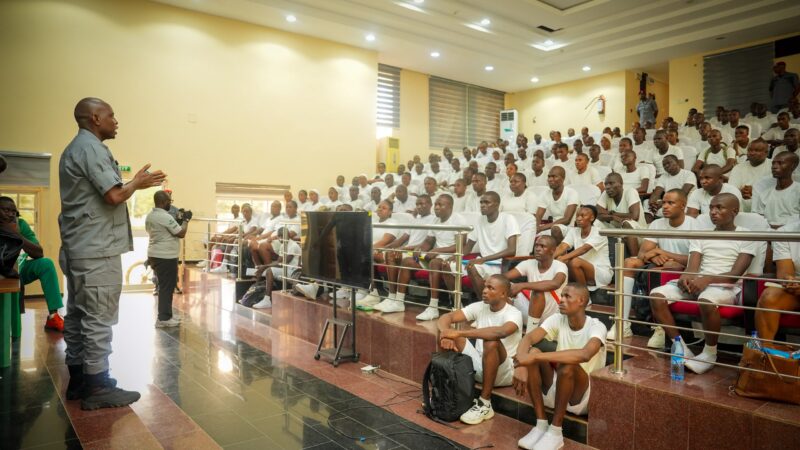
The initiative formed the focus of a strategic communication conference held in Port Harcourt on 22 July 2026, where officers and men of the Service gathered to examine how the Customs story and its ongoing reforms can be communicated more effectively to stakeholders and the wider public.
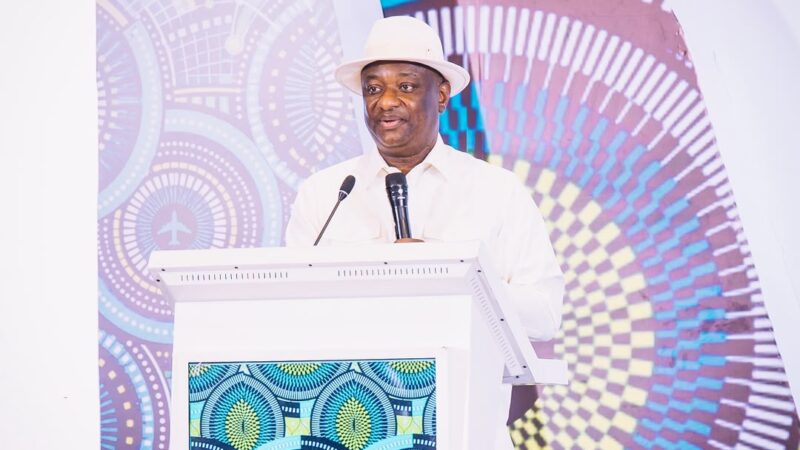
Opening the conference, the National Public Relations Officer of the NCS, Deputy Comptroller Abdullahi Maiwada, stressed that communication must become an integral part of Customs operations rather than being treated as an afterthought.
Maiwada said strategic communication was essential for building public confidence, encouraging voluntary compliance and ensuring the successful implementation of reforms introduced by the Service.
According to him, Customs must move beyond simply announcing reforms to making them relatable by highlighting their impact on citizens and businesses.
He said: “We need to humanise reforms and showcase success stories to demonstrate their impact on the everyday citizen, while aligning operational achievement with strategic communication.”
The first technical session was delivered by the Managing Director of Reputation Masters Limited, Jossy Nkwocha, who challenged participants to embrace a more strategic approach to public relations.
He argued that modern public relations extends beyond media engagement and should incorporate strategic planning, innovation and corporate communication as tools for institutional development and long-term growth.
Nkwocha urged communication professionals within the Service to position themselves as strategic partners capable of shaping public perception while supporting organisational objectives.
In the second technical session, Lawrence Dike of the University of Port Harcourt underscored the importance of stakeholder engagement in driving successful organisational transformation.
He maintained that trust, consistency and people-centred communication are indispensable ingredients for sustaining reforms and strengthening institutional credibility.
According to Dike, organisations that prioritise trust are better positioned to build lasting relationships with their stakeholders.
“Trust is the currency of business and relationships. Trust is your reputation and reputation is your legacy,” he said.
Attention also turned to the Nigeria Customs Service’s Authorised Economic Operator (AEO) Programme, with Chief Superintendent of Customs Titus Omajali emphasising that effective communication remains central to its success.
Omajali noted that sustained collaboration and engagement between Customs and stakeholders across the international supply chain would be critical to improving compliance while enhancing trade facilitation.
“The success of the AEO programme largely depends on effective communication and collaboration among stakeholders across the international supply chain,” he stated.
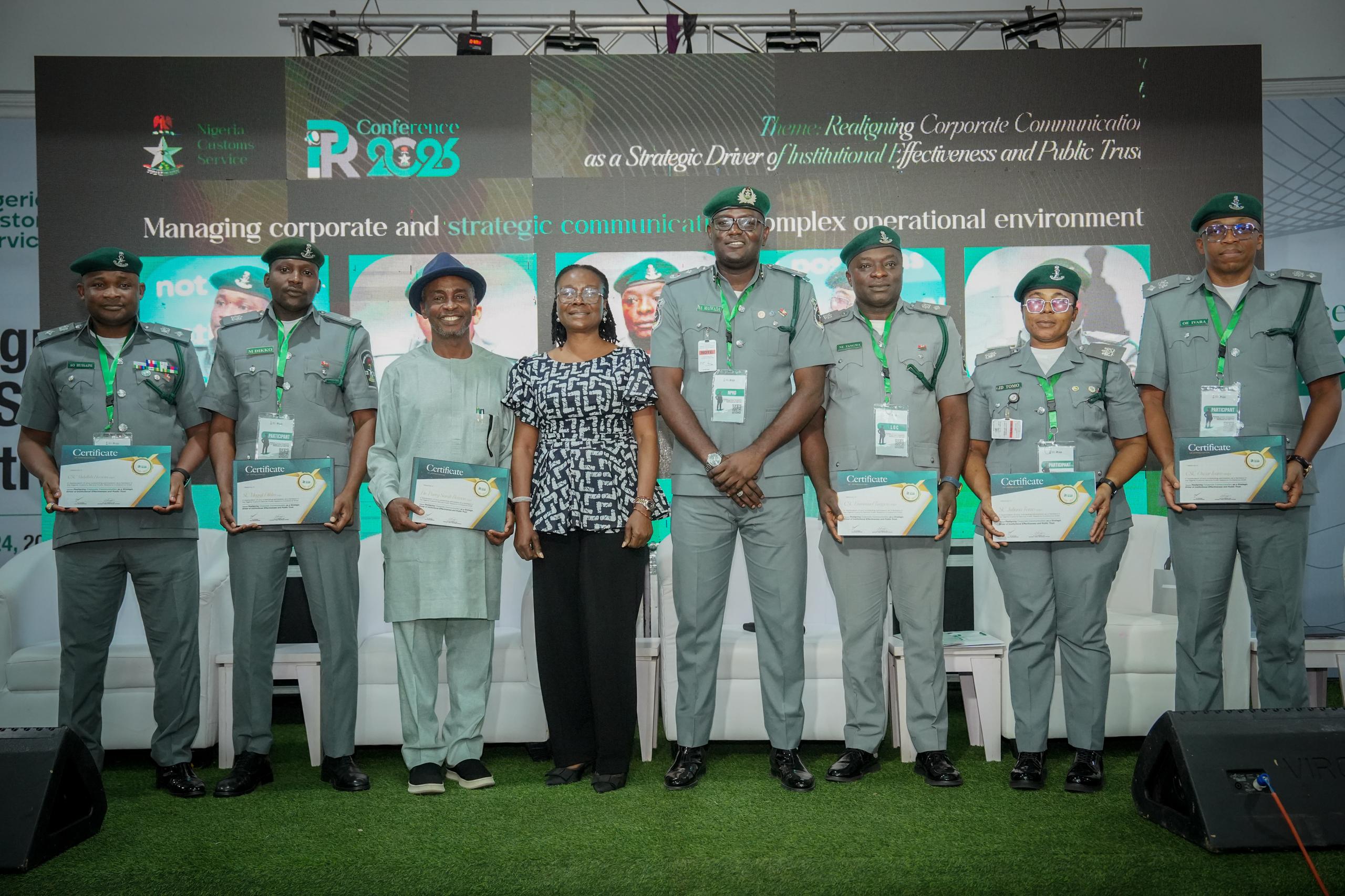
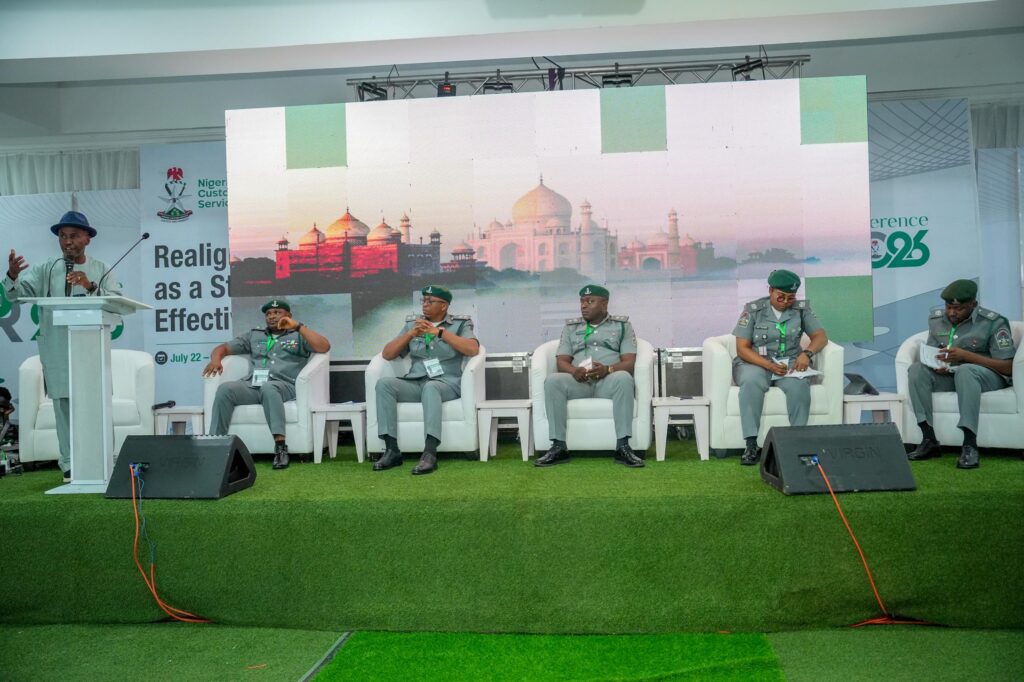
The conference also featured a panel discussion moderated by Parry Benson, during which Chief Superintendent of Customs Abdullahi Husseini, Chief Superintendent of Customs Oscar Ivara, Chief Superintendent of Customs Emmanuel Tangwa, Superintendent of Customs Magaji Dikko and Superintendent of Customs Juliana Tomo shared practical experiences on managing corporate and strategic communication within complex operational environments.
Providing an industry perspective, General Manager of the Trade Modernisation Project, Bamidele Chinedu, encouraged public relations practitioners within the Service to become trusted sources of accurate information.
He advised participants to communicate policies clearly, remain responsive to stakeholder feedback and maintain consistency in their public engagement to strengthen confidence in Customs reforms.
The opening day of the conference ended with participants reaffirming their commitment to embedding strategic communication across the Nigeria Customs Service.
The renewed commitment reflects the Service’s growing recognition that communication is no longer limited to managing public image but has become a critical tool for driving institutional reforms, fostering stakeholder confidence and supporting Nigeria’s trade facilitation objectives.