
Marwa: Drug War Is a Generational Task, NDLEA Officers Must Remain Resilient
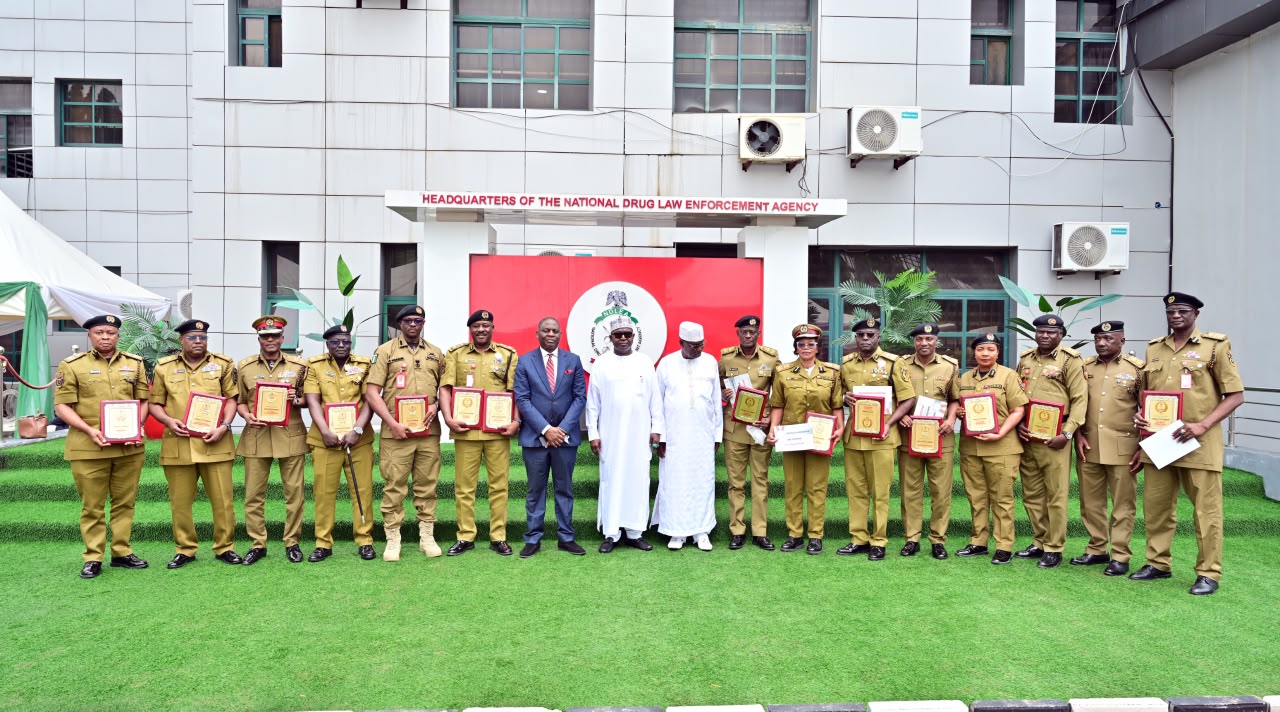
The Chairman/Chief Executive Officer of the National Drug Law Enforcement Agency (NDLEA), Brig. Gen. Mohamed Buba Marwa (Rtd.), has urged officers and men of the agency to remain resilient in the fight against illicit drugs, describing the battle as a generational responsibility with no foreseeable end date.
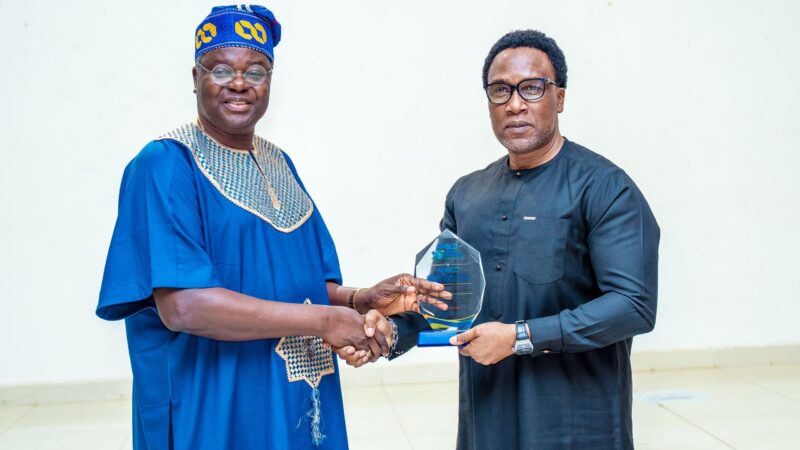
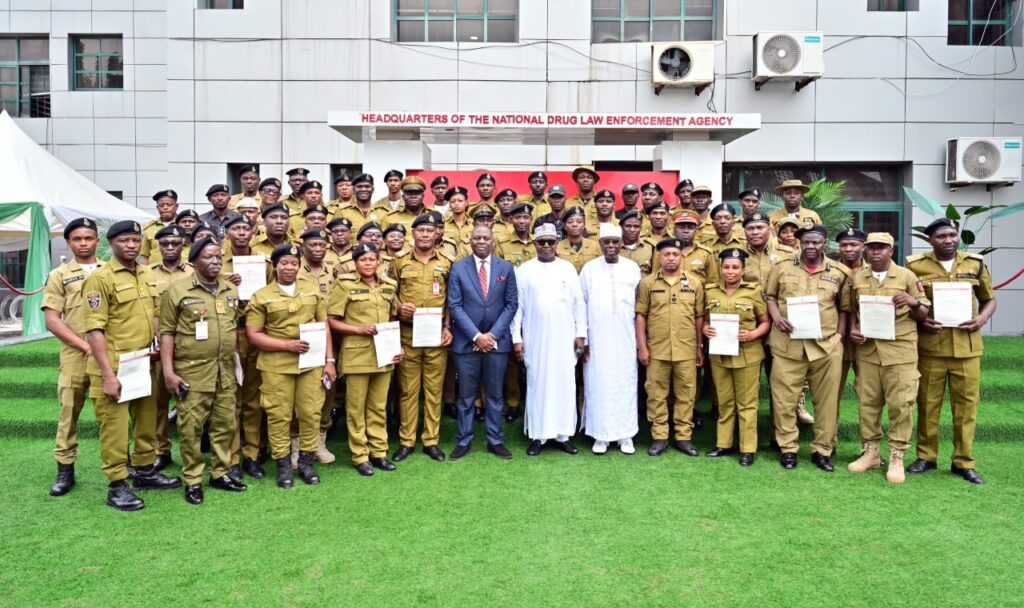
Marwa made the call on Thursday in Abuja at the 12th Chairman/Chief Executive Officer’s Commendations and Awards ceremony, where the agency recognised 274 personnel for outstanding performance, alongside 18 best-performing commands and 19 non-governmental organisations (NGOs) and media organisations for their contributions to the fight against drug abuse in Nigeria.
The NDLEA chairman said the persistent and evolving nature of drug trafficking required sustained commitment from personnel, civil society organisations, the media and other stakeholders.
According to him, “the war against illicit drugs is not a campaign with an end date. It is a generational responsibility. For every cartel we dismantle, intelligence tells us another will attempt to rise. For every corridor we shut down, traffickers will search for another route.”
He said the recognition of outstanding personnel and partner organisations was intended not only to celebrate achievements but also to reinforce the need for greater commitment to the anti-drug campaign.
Marwa stressed that enforcement agencies could not defeat drug trafficking and substance abuse in isolation, noting that community-based interventions, rehabilitation, public awareness and sustained media coverage were equally important components of the campaign.
“The fight against drug trafficking and substance abuse was never going to be won by enforcement alone. It is won in the communities where NGOs quietly walk young people back from the edge of addiction. It is won in the newsrooms where journalists chose to tell the difficult stories, the stories of trafficking routes, of rehabilitation, of families rebuilding, even when those stories were not the easiest to tell,” he said.
He described civil society organisations and the media as a “multiplier effect” for the work of the NDLEA, saying their interventions had enabled the agency’s message to reach communities that enforcement personnel could not reach directly.
“Our partners in civil society and the media have been the multiplier effect on everything this Agency does. You have taken our message into homes, schools, and communities that our uniforms alone could never reach,” Marwa added.
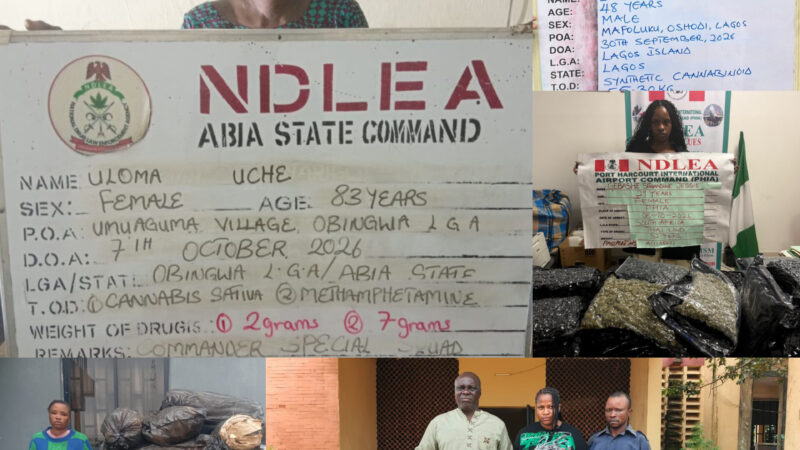
The NDLEA chief also highlighted recent operations against major drug trafficking networks as examples of the agency’s evolving operational capabilities.
Among the operations he cited were the dismantling of the Amadi Simon drug cartel; the takedown of two Nigerian-Mexican methamphetamine cartels operating from forest locations in Ogun and Oyo States; and the disruption of a tramadol cartel using the Togo-Benin Republic-Nigeria corridor.
Marwa said the corridor had for years contributed to the supply of opioids that fuelled substance abuse among Nigerian youths.
“These were not simple raids. They were the product of patient intelligence-gathering, cross-border cooperation, and officers willing to go where the criminals believed no one would follow,” he said.
The NDLEA chairman used the occasion to urge officers who received commendations to regard the recognition as a motivation to achieve more rather than as the peak of their careers.
He similarly encouraged other personnel to see the award recipients as a benchmark for excellence.
He also told civil society groups and media organisations that received recognition that the awards should serve as an invitation to deepen their contribution to the national campaign against illicit drugs rather than an incentive to rest on past achievements.
Marwa acknowledged that many other organisations and media platforms across Nigeria had made significant contributions to the War Against Drug Abuse (WADA) campaign but could not be recognised at the ceremony.
He described the awards as “the beginning of a tradition, not a closed chapter”, assuring that subsequent editions would provide opportunities to identify and honour more individuals and organisations contributing to the fight against drug abuse.
The NDLEA boss congratulated all the recipients and commended their families for supporting their efforts. He also expressed appreciation to Nigerians for continuing to place their trust in the agency as it confronts the country’s drug trafficking and substance abuse challenges.

The 12th edition of the annual commendations and awards ceremony therefore served both as a recognition of operational excellence within the NDLEA and an acknowledgement of the wider network of civil society and media partners supporting the agency’s anti-drug campaign.