
Customs Rehabilitates Ebubu Primary Healthcare Centre, Boosts Healthcare Delivery in Eleme
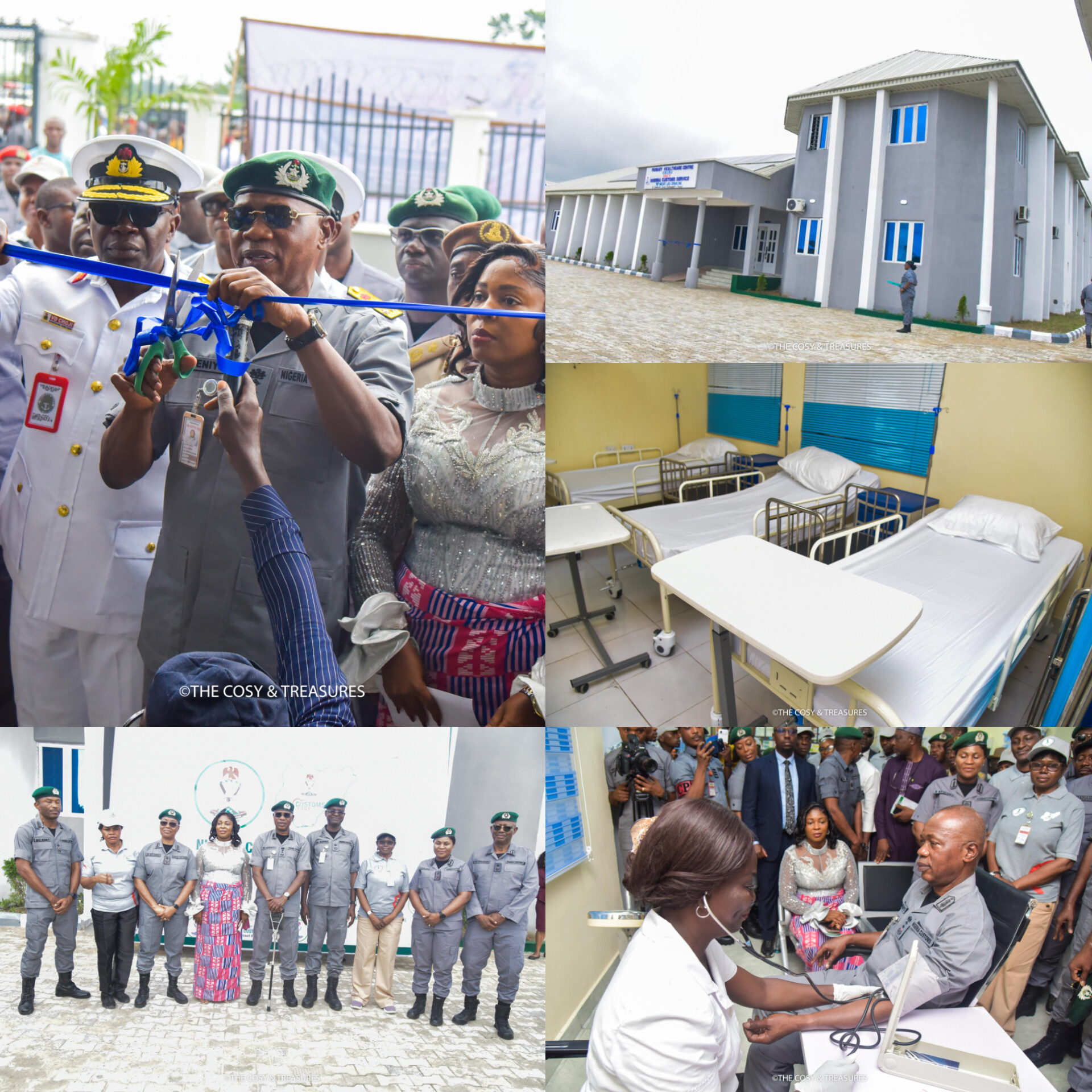
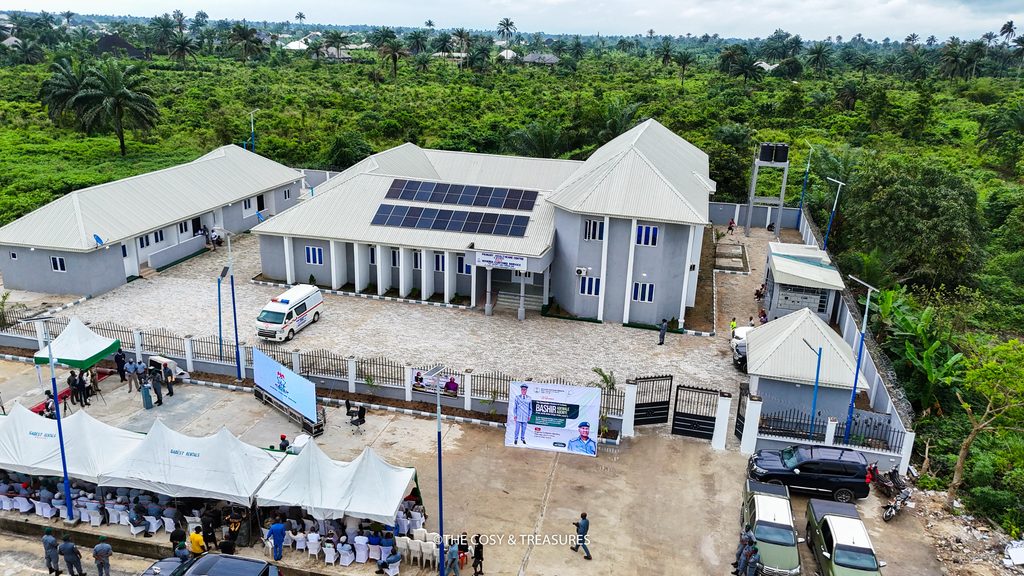
The Nigeria Customs Service (NCS) has commissioned the rehabilitated Ebubu Primary Healthcare Centre in Eleme Local Government Area of Rivers State, in an intervention aimed at improving access to primary healthcare services for residents of the community and surrounding areas.
The project was executed under the Service’s Corporate Social Responsibility (CSR) programme, Customs Cares, through which the NCS seeks to support community development and complement government efforts in critical social sectors.
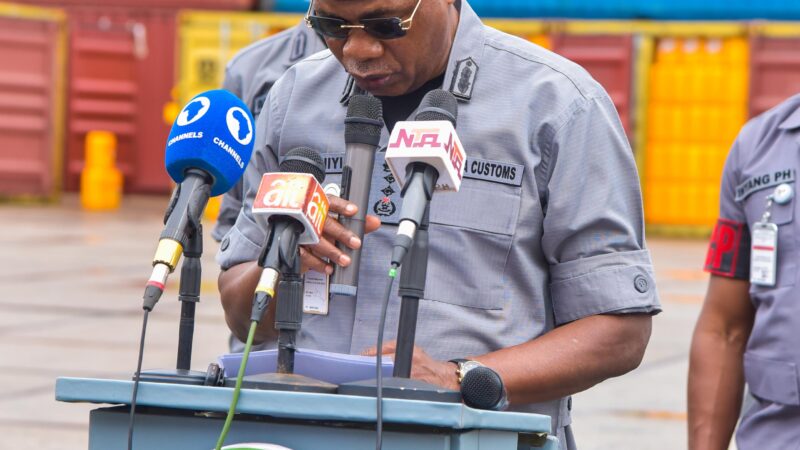
Commissioning the rehabilitated facility on Tuesday, September 15, 2026, the Comptroller-General of Customs, Adewale Adeniyi, said the intervention demonstrated that the Service’s responsibility to Nigerians extended beyond its statutory functions of revenue collection, trade facilitation and border security.
Adeniyi said the NCS had a responsibility to contribute to the wellbeing and development of communities where it operates, adding that Customs Cares was established to provide practical interventions in areas capable of improving people’s quality of life.
According to him, the Service officially launched the CSR programme in March 2025 and had since implemented interventions covering several sectors and community needs.
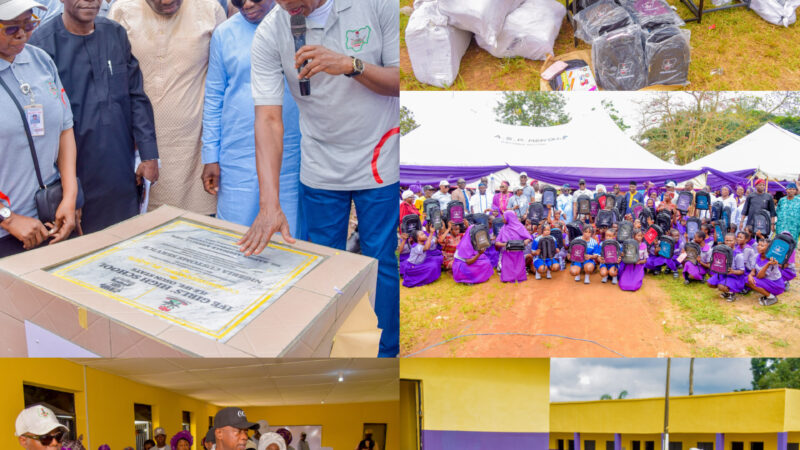
He listed the areas of intervention to include school renovations, scholarships, medical outreaches, rehabilitation of healthcare facilities, food distribution, agricultural initiatives, skills acquisition programmes, solar-powered lighting, borehole projects and other community infrastructure.
The Comptroller-General described the Ebubu healthcare project as particularly important because of the role of primary healthcare in improving the wellbeing, productivity and dignity of individuals and communities.
He noted that the condition of the health centre before the intervention had affected the ability of healthcare workers to provide quality primary healthcare services to residents and people from neighbouring communities.
“What we have achieved here is therefore more than physical rehabilitation. We have invested in access, dignity and hope,” Adeniyi said.
The Customs boss stressed, however, that the rehabilitation of the facility was only the beginning, warning that its long-term impact would depend on proper management and maintenance.
He said adequate staffing, regular maintenance and sustained support from relevant government institutions and the community would be necessary to ensure that the centre continued to serve its intended purpose.
Adeniyi also acknowledged the contributions of traditional rulers, community leaders, the Rivers State Government, the Rivers State Primary Health Care Board and the Eleme Local Government Council, as well as healthcare professionals and other stakeholders involved in the project.
He commended the stakeholders for their cooperation, stressing that successful community interventions required collaboration between government agencies, local authorities and the people who directly benefited from such projects.
The Customs Area Controller, Port Harcourt II Area Command, Onne, Comptroller Aliyu Alkali, said the impact of the NCS should not be assessed solely through its revenue generation and enforcement activities.
According to Alkali, the Service’s presence in communities should also be reflected in the positive changes it creates in the lives of residents.
He said interventions such as the rehabilitation of the Ebubu Primary Healthcare Centre demonstrated the broader social value that could be generated by the NCS in addition to its core responsibilities.
Also speaking, the Comptroller in charge of the NCS Corporate Social Responsibility Unit, Patience Ibrahim, said Customs Cares was founded on the belief that the Service owed a responsibility to Nigerians that went beyond collecting revenue and enforcing customs laws.
Ibrahim said the programme was designed to enable the NCS to make meaningful contributions to the communities in which it operates, particularly in areas where targeted interventions could improve living conditions and access to essential services.
The commissioning attracted government officials, traditional rulers, community leaders, healthcare professionals and other stakeholders, who welcomed the rehabilitation of the facility.
The dignitaries said the project would bring primary healthcare services closer to residents and improve the environment in which healthcare professionals attend to patients.
They also urged residents and other stakeholders to take ownership of the facility by protecting its infrastructure and supporting efforts to keep it functional.
The appeal underscores the NCS’s position that the sustainability of the project would depend not only on the initial investment but also on the commitment of the authorities responsible for healthcare delivery and the community itself.
The rehabilitation of the Ebubu Primary Healthcare Centre therefore represents one of the community-focused interventions being undertaken by the NCS under Customs Cares, as the Service seeks to combine its statutory responsibilities with initiatives targeted at social development.