
NiMet DG Anosike Joins WMO Climate Finance Dialogue, Senior Officials’ Exchange in China
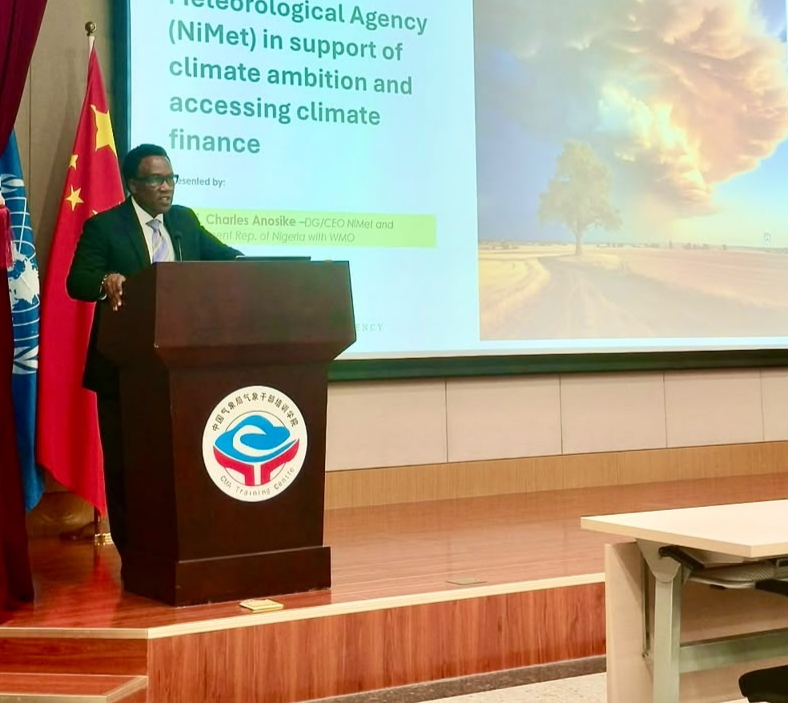
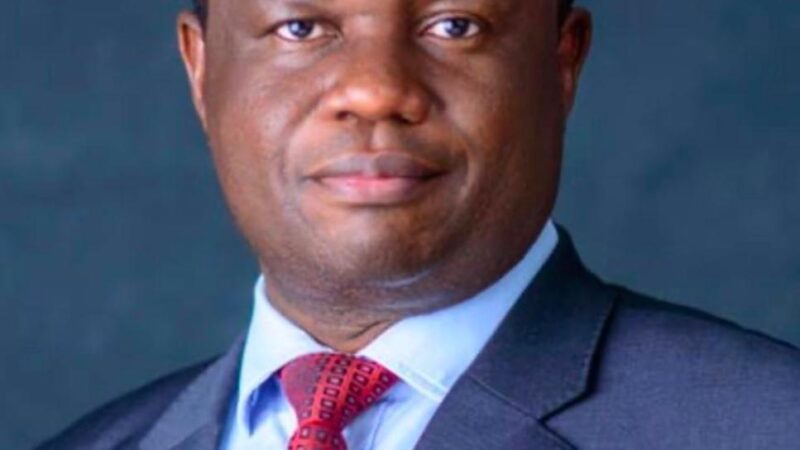
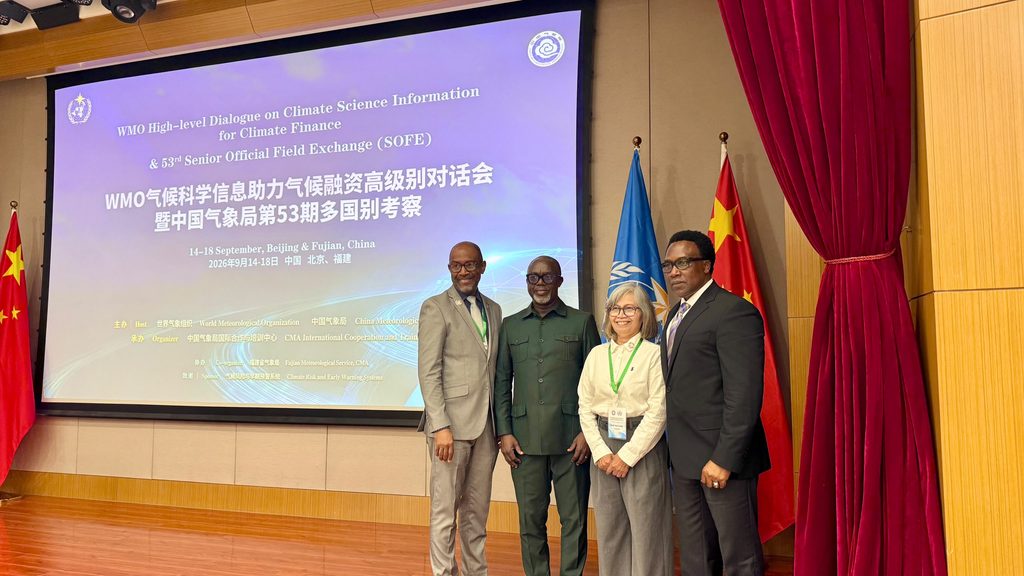
The Director-General and Chief Executive Officer of the Nigerian Meteorological Agency (NiMet), Prof Charles Anosike, has participated in a high-level dialogue on climate science information for climate finance organised by the World Meteorological Organisation (WMO) in Beijing, China.
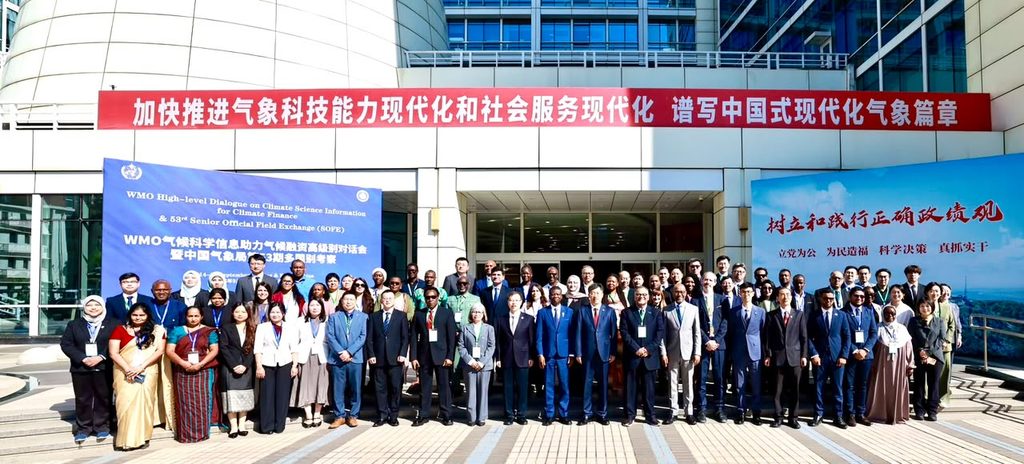
The event, which brought together senior officials and experts in meteorology, climate science, disaster risk reduction and climate finance, was held from September 14 to 18, 2026.
Anosike’s participation came as meteorological and hydrological institutions increasingly seek stronger links between scientific information, climate finance and practical measures to protect communities from the growing risks associated with climate change.
The WMO High-level Dialogue focused on strengthening the role and leadership capacity of National Meteorological and Hydrological Services (NMHSs) in mobilising climate finance.
Participants also examined ways to align scientific and technical capabilities with risk-informed and people-centred early warning systems designed to provide communities with timely information about impending hazards.
Another major focus of the dialogue was the need to move beyond traditional technical assistance towards sustainable investment in meteorological and climate services.
The discussions explored ways of expanding practical cooperation between meteorological frameworks and multilateral financing institutions to enable NMHSs to access and effectively utilise climate finance for the development of climate and weather services.
The meeting further provided a platform for supporting leaders of NMHSs in strengthening strategic thinking, developing partnerships and improving their ability to engage with institutions capable of financing climate-resilience projects.
The discussions were particularly relevant to developing countries, where meteorological agencies often require substantial investment in observation networks, forecasting systems, data infrastructure, early warning technologies and human capacity to respond effectively to climate-related risks.
Held back-to-back with the high-level dialogue was the 53rd Senior Official Field Exchange (SOFE), which took participants to Fujian Province for first-hand exposure to China’s approach to meteorological early warning and disaster risk reduction.
A key feature of the field exchange was the Multi-hazard, Alert, Zero-gap and Universal (MAZU) platform, an artificial intelligence-driven meteorological early warning solution developed in China.
The platform was showcased as part of efforts supporting the Early Warnings for All (EW4All) initiative, which seeks to strengthen access to effective early warning systems and improve protection against weather, climate and water-related hazards.
The Fujian field exchange enabled participating senior officials to examine the practical application of the MAZU platform and gain insights into how technology can be integrated into early warning systems.
The programme included technical exchanges, field visits and peer-learning sessions, allowing officials from participating meteorological services to observe China’s disaster risk reduction practices and exchange experiences on the use of technology and scientific information.
The combination of the Beijing dialogue and the Fujian field exchange provided participants with both policy-level and practical perspectives on strengthening meteorological services.
For NMHSs such as NiMet, the discussions are significant as climate variability and extreme weather events continue to increase the demand for accurate forecasts, timely warnings and climate information to support decision-making across different sectors.
The engagement also underscored the growing importance of ensuring that meteorological information is not only scientifically reliable but also accessible and useful to governments, businesses, communities and other stakeholders exposed to climate-related risks.
Through the dialogue, WMO sought to encourage stronger leadership within NMHSs and promote partnerships capable of converting climate science into bankable and sustainable investments.
Anosike’s participation also provided an opportunity for NiMet to engage with international counterparts and learn from approaches being adopted in other countries to strengthen early warning systems, climate services and disaster preparedness.
The five-day programme in China therefore combined high-level discussions on climate finance with practical exposure to technological solutions, reinforcing the link between scientific capacity, investment and effective early warning systems.