
Shettima Tasks Stakeholders on Full Implementation of National Drug Control Plan 2026–2030
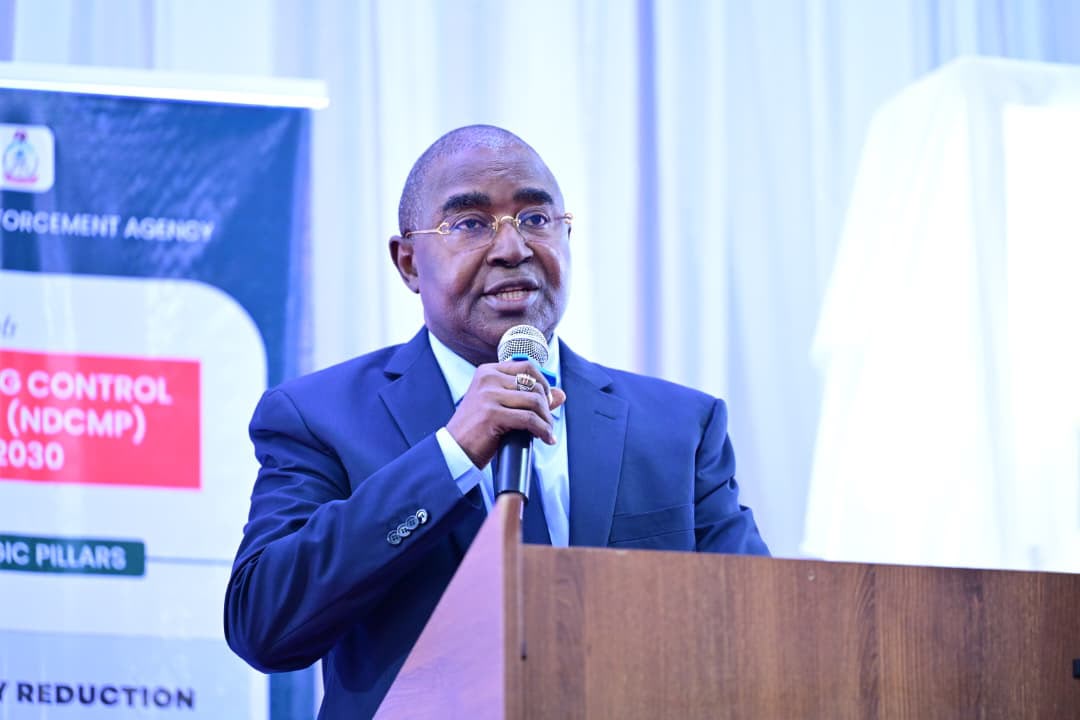
Vice-President Kashim Shettima has charged federal and state governments, local authorities, the National Assembly, private sector operators and international partners to demonstrate strong commitment to the implementation of Nigeria’s National Drug Control Master Plan (NDCMP) 2026–2030.
Shettima said the success of the five-year plan would depend on collective responsibility, adequate funding, effective coordination and accountability among all stakeholders.
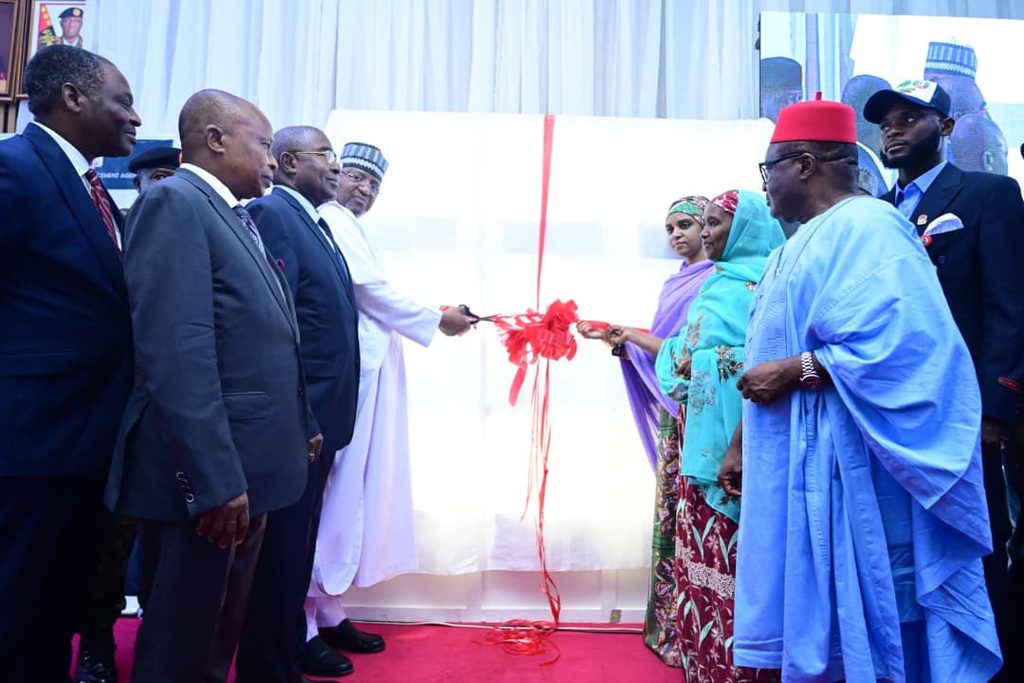
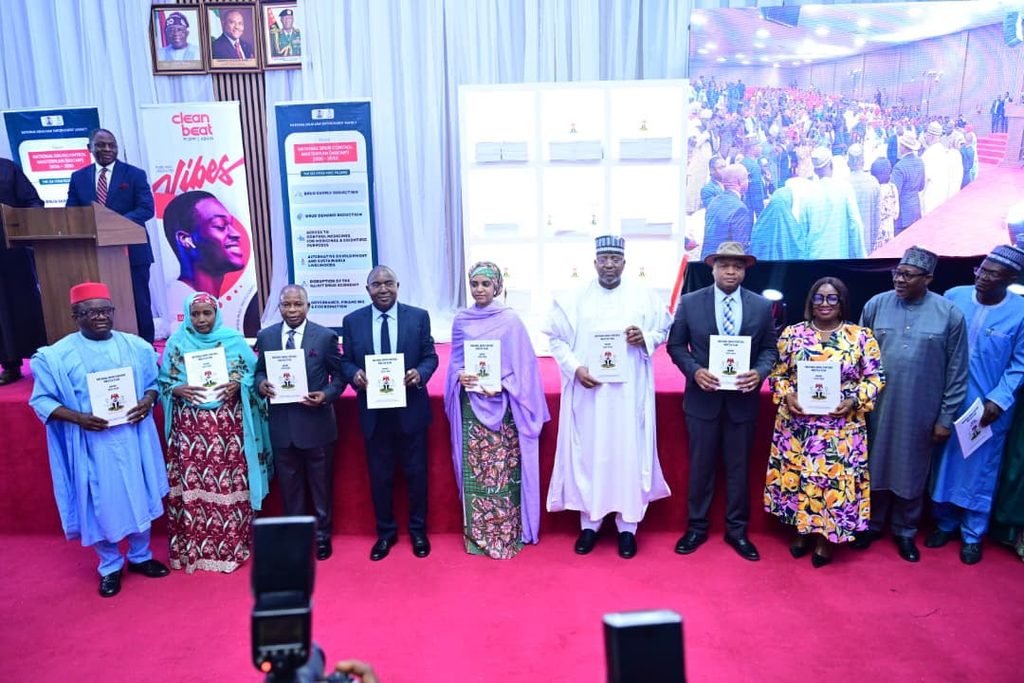
The Vice-President gave the charge on Monday in Abuja at the official launch of the new National Drug Control Master Plan, where he described the fight against illicit drugs as a national priority requiring urgent and sustained attention.
Represented by the Special Adviser to the President on Special Duties, Office of the Vice-President, Dr Modibbo Aliyu Umar, Shettima said the Federal Government was committed to protecting Nigerians from the devastating consequences of drug abuse and illicit drug trafficking.
He noted that drug-related challenges extended beyond law enforcement, describing the problem as a public health concern, security threat, development challenge and economic issue.
According to him, Nigeria cannot effectively address the problem through arrests and seizures alone without investing in prevention, treatment, rehabilitation and measures to dismantle the financial networks sustaining illicit drug markets.
He said the country’s response must be comprehensive, coordinated and sustained, stressing that the new Master Plan should translate into measurable actions across all levels of government and society.
The Vice-President outlined six strategic pillars of the 2026–2030 Plan as Supply Reduction; Drug Demand Reduction; Access to Controlled Medicines for Scientific and Medical Purposes; Alternative Development and Sustainable Livelihoods; Disruption of the Illicit Drug Economy; and Governance, Financing and Coordination.
He commended the leadership of the National Drug Law Enforcement Agency (NDLEA), under its Chairman and Chief Executive Officer, Brig-Gen Mohamed Buba Marwa (retd.), for introducing an Alternative Development programme, which has made Nigeria the first country in Africa to initiate such an intervention.
Shettima said the programme’s pilot phase was already producing positive results in three communities in Ondo State, urging state and local governments to embrace the initiative and take ownership of its implementation.
He particularly emphasised the importance of financing, warning that a national policy without a credible funding mechanism could remain a mere declaration of good intentions.
He therefore directed ministries, departments and agencies to incorporate the priorities of the Master Plan into their institutional work plans, budget proposals and implementation schedules.
He also urged state and local governments, private sector organisations, traditional rulers, religious institutions and development partners to identify their respective responsibilities and contribute meaningfully to the programme.
“Five years from now, the significance of today’s launch will not be judged by the ceremony,” he said, adding that the occasion should mark Nigeria’s transition from policy formulation to practical implementation.
Earlier, Marwa said the new Master Plan was developed to consolidate previous achievements, address identified weaknesses and prepare the country for emerging threats in the illicit drug trade.
He disclosed that the evaluation of the outgoing National Drug Control Master Plan 2021–2025 recorded 77,736 arrests, the seizure of more than 14.8 million kilogrammes of illicit drugs and over 14,200 convictions.
He added that more than 32,400 individuals also benefited from treatment, counselling and rehabilitation services during the period.
However, the NDLEA chairman acknowledged that the evaluation identified shortcomings in coordination, funding, service delivery, data management, monitoring and accountability.
He also identified weak institutional capacity at state and local government levels as one of the challenges that needed to be addressed under the new framework.
Marwa explained that the 2026–2030 Plan would strengthen the integration of drug supply and demand reduction strategies while expanding efforts to target the financial and technological infrastructure supporting criminal drug networks.
He said the approach was particularly necessary given the increasing sophistication of trafficking organisations, the proliferation of synthetic drugs and new psychoactive substances, and the growing use of encrypted communications and cryptocurrency by criminal syndicates.
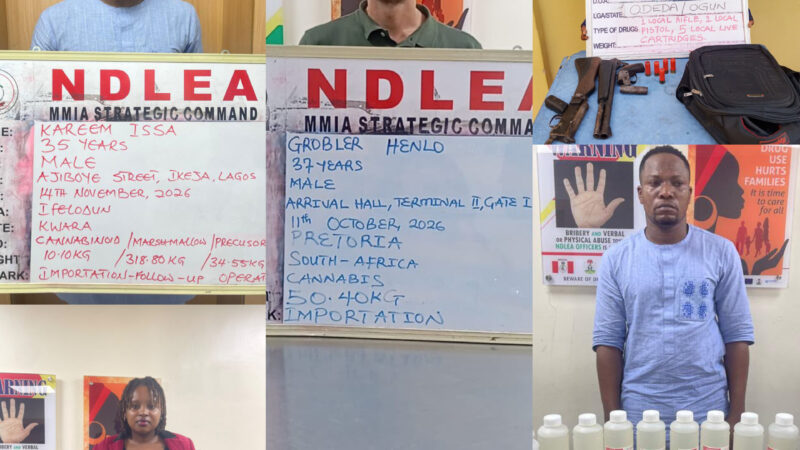
Highlighting the agency’s recent operational successes, Marwa recalled the April 28, 2026, simultaneous operation conducted in collaboration with the United States Drug Enforcement Administration (DEA) and law enforcement partners in Switzerland, France and Greece.
He said the international operation dismantled a transnational criminal organisation and resulted in the arrest of billionaire drug baron Amadi Simon in Switzerland, alongside two female drug kingpins, Jecinta Amara Ikechi in Anambra State and Blessing Ngozi Amadi in Delta State.
According to him, several bank accounts and cryptocurrency wallets linked to the criminal network have been blocked, while the NDLEA secured interim forfeiture orders covering multi-billion-naira properties allegedly connected to Simon.
The properties include two hotels in Delta State and an apartment building in Mabushi, Abuja.
Marwa also recalled the dismantling of a Nigerian-Mexican methamphetamine trafficking network and the discovery of a clandestine laboratory in Ogun State, where drugs and chemicals valued at approximately $362.9 million were recovered.
He said four additional Mexican-linked methamphetamine laboratories were subsequently uncovered in Oyo, Ebonyi and Enugu states, leading to the arrest of 10 Mexican nationals and 14 Nigerian collaborators, who are currently facing criminal charges.
The NDLEA chairman, however, identified sustainable financing as perhaps the most important condition for the successful implementation of the new Master Plan.
He appealed to federal budget authorities to ensure that the plan’s priorities were reflected in annual budgets and the Medium-Term Expenditure Framework.
He also urged state and local governments to make dedicated budgetary provisions for their respective Drug Control Committees.
Marwa called on banks, telecommunications companies, technology firms, agribusinesses and philanthropists to support programmes covering drug prevention, treatment, rehabilitation and alternative livelihoods.
He disclosed that the NDLEA would develop a resource mobilisation framework supported by costed implementation plans to ensure that the programme received the necessary financial backing.
He maintained that policy commitments would amount to little without the resources required to execute them.
The NDLEA chairman also welcomed President Bola Tinubu’s transmission of the National Drug Law Enforcement Agency Bill, 2026, to the National Assembly, disclosing that the proposed legislation had passed second reading.
He assured Nigerians that the agency’s enforcement activities would continue to be guided by the rule of law, due process and respect for human rights.
Marwa expressed appreciation to the European Union for sponsoring the implementation of the 2021–2025 Master Plan, the United Nations Office on Drugs and Crime (UNODC) for its technical assistance and collaboration, and the Economic Community of West African States (ECOWAS) for its technical and financial support towards developing the new plan.
In his remarks, the Attorney-General of the Federation and Minister of Justice, Prince Lateef Fagbemi, SAN, described the NDLEA as the bedrock of Nigeria’s national drug control architecture, commending the agency’s leadership and personnel for their contributions to the fight against illicit drugs.
Fagbemi said the new Master Plan would strengthen the country’s drug control framework by integrating law enforcement with public health, education, social development, financial investigations and community participation.
He specifically praised Marwa for his leadership, describing him as a silent achiever who had consistently made the administration and the country proud.
The Attorney-General assured that the Federal Ministry of Justice would work closely with the judiciary to facilitate the speedy determination of drug-related cases in accordance with the Administration of Criminal Justice Act.
He said the ministry would also support efforts to ensure that convictions were accompanied by the confiscation of proceeds and assets derived from illicit drug activities.
Other areas of intervention, according to him, would include mutual legal assistance, extradition arrangements and cross-border asset recovery.
Fagbemi further commended the NDLEA’s practice of involving prosecutors early in investigations, noting that such collaboration helped preserve evidence, strengthen cases and minimise procedural errors.
He stressed the need to distinguish between major drug traffickers and individuals suffering from drug dependence, maintaining that both categories required different approaches under the law.
“While traffickers must face the full weight of the law, those experiencing drug use disorders require evidence-based care, counselling, treatment, and community reintegration,” he said.
The minister also praised the NDLEA’s Alternative Development programme, which encourages communities involved in illicit drug cultivation to embrace legitimate agricultural activities and cultivate licit cash crops.
He described the initiative as consistent with the economic development philosophy of the Tinubu administration, which seeks to transform challenges into opportunities for sustainable progress.
Similarly, the ECOWAS Commission commended Nigeria for developing the new Master Plan, describing it as an important contribution to regional efforts towards building a safer, healthier and more resilient West Africa.
The Commission’s Commissioner for Human Development and Social Affairs, Professor Nassirou Bako-Arifari, who represented the regional organisation, said the document was consistent with existing regional commitments on drug control.
He emphasised that its success would depend on sustained political will, adequate funding and effective collaboration among governments, civil society organisations, local communities, private sector operators and international development partners.
Bako-Arifari assured Nigeria of ECOWAS’ continued support, including the sharing of experience, mobilisation of resources and coordination with other member states.
He noted that Nigeria’s progress in implementing the Master Plan would have significant implications for the wider West African region, stressing that no country could successfully tackle the drug problem in isolation.
The National Assembly also pledged its support for the implementation of the new framework.
The Chairman of the House of Representatives Committee on Drugs and Narcotics, Hon. Abass Adigun, represented by Hon. Dominic Okafor, reaffirmed the committee’s commitment to providing the necessary legislative backing, effective oversight and policy advocacy.
He said adequate funding, accountability and coordination among relevant government agencies would be critical to achieving the objectives of the plan.
He urged all stakeholders to regard drug control as a shared national responsibility rather than an assignment for the NDLEA alone.
Also speaking, the First Lady of Yobe State, Hajiya Hafsat Kollere Buni, assured the agency of her partnership and support towards the successful implementation of the new Master Plan.
The launch, which was held under the theme, “Strategic Action for a Drug-Free Nation”, attracted ministers, members of the National Assembly, diplomats, representatives of the European Union, UNODC and ECOWAS, members of the Inter-Ministerial Committee, and state and local government drug control committees.
Traditional rulers, religious leaders, civil society organisations, private sector representatives and youth organisations also attended the event.