
Okonkwo Urges South-East Voters to Be More Politically Active
…As De Pinnacle Club Installs Him as Patron
The Executive Chairman of United Nigeria Airlines, Prof. Obiora Okonkwo, has urged the Igbo to become more politically active and conscious, stressing that the influence of communities would have limited impact unless it was channelled into decisions that shape their lives and determine their collective future.
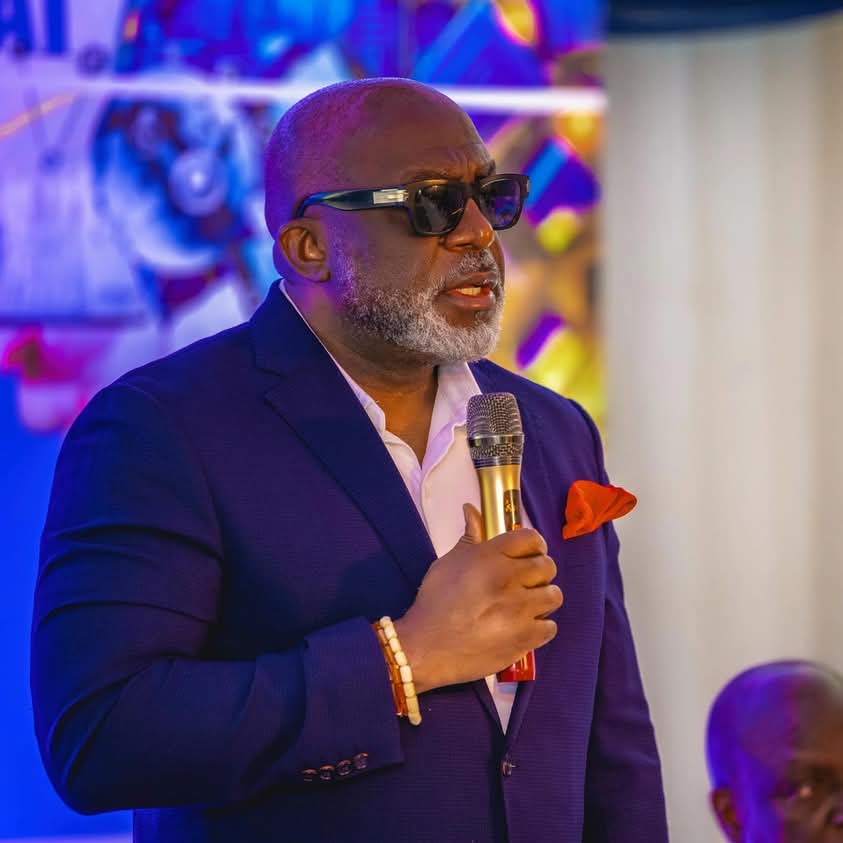
Okonkwo, who spoke at the 10th anniversary celebration of De Pinnacle International Social Club in Abuja at the weekend, said the South-East needed to pay greater attention to electoral politics and governance rather than concentrating much of its political energy on leadership contests within towns and traditional institutions.
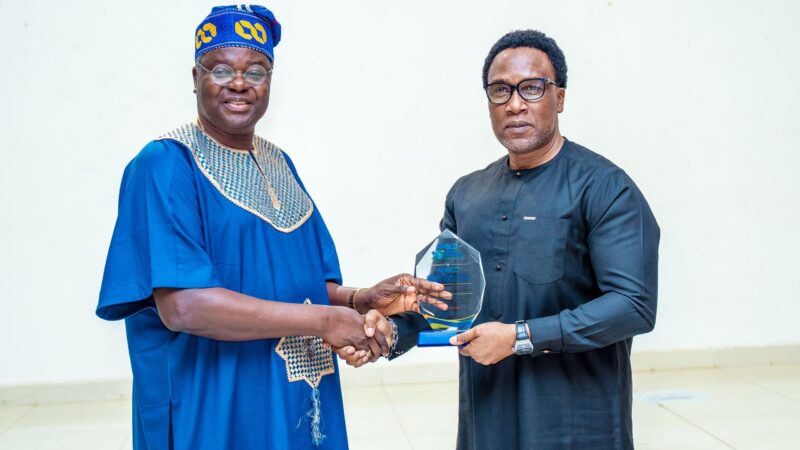
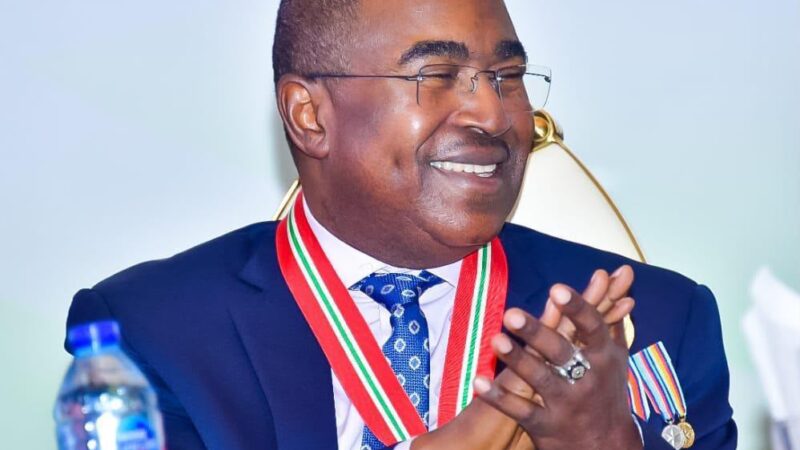
The anniversary celebration, which had the theme, “A Decade of Excellence and Impact”, also featured the installation of Okonkwo as the club’s patron.
The airline executive and elder statesman observed that influential individuals and groups in the South-East often engaged in intense contests over who would emerge as town union leaders or traditional rulers, yet appeared less interested in determining who occupied elected political offices at the state and local government levels.
According to him, the positions of governors, local government chairmen and other elected officials carry far-reaching implications for the development, security and general welfare of communities.
He argued that the commitment and resources devoted to determining leadership within town unions and traditional institutions should be matched by an equally strong interest in elections and governance at all levels.
Okonkwo maintained that while traditional institutions and community associations remained important to the preservation of cultural identity and the promotion of unity, their influence would be limited if members failed to participate actively in the broader political process.
“If we are prepared to invest so much energy and influence in determining who leads our communities and traditional institutions, we should be equally prepared to ask the more consequential question of who governs the larger political jurisdictions within which those communities exist,” he said.
He, however, clarified that his call was not an invitation for social clubs to become partisan political organisations.
Rather, he urged such associations to embrace responsible civic engagement by examining the records of candidates seeking public office, engaging them on issues affecting their communities and encouraging members to make informed choices during elections.
He said social clubs and community-based organisations possessed considerable influence through their membership, networks and resources, which could be deployed to promote accountability and improve the quality of political leadership.
According to him, the responsibility of community organisations should extend beyond philanthropy, social interaction and the preservation of relationships to include a genuine interest in the character, competence and performance of those entrusted with public office.
He stressed that the welfare of communities depended not only on charitable interventions by successful individuals but also on the quality of governance and the decisions taken by elected representatives.
The United Nigeria Airlines chairman further urged the Igbo to look beyond state boundaries in pursuing common interests, noting that Igbo communities in Rivers, Delta and Cross River states also formed part of the wider network of people whose experiences, relationships and resources could contribute to regional development.
He said greater cooperation among Igbo communities across state lines would help strengthen their collective influence and promote a more cohesive approach to addressing shared challenges.
Okonkwo’s position underscored the need for a broader understanding of political participation, particularly among community leaders and influential social groups whose activities could shape public opinion and encourage greater electoral awareness.
He maintained that civic responsibility should not be restricted to election periods but should involve sustained engagement with public officials and a willingness to demand accountability from those in positions of authority.
Accepting his installation as patron of De Pinnacle International Social Club, Okonkwo called on members to make the organisation’s second decade more impactful through stronger fellowship, expanded partnerships and greater commitment to service.
He said the club had an opportunity to build on its first ten years by deploying its social capital and collective influence to address issues affecting its members and the wider society.
According to him, the resources required for national renewal are not found exclusively in government institutions and large corporations but also reside in the people, relationships and voluntary associations that constitute Nigerian society.
He said social organisations could contribute meaningfully to national development by strengthening relationships, supporting community initiatives and using their collective resources to promote the common good.
“I accept that responsibility fully, and I look forward to playing my own part in helping Pinnacle translate its considerable social capital, fellowship and influence into even greater service to our people and society.
“I congratulate De Pinnacle International Social Club on ten remarkable years and wish the organisation an even more impactful second decade,” he said.
The installation of Okonkwo as patron marks a new phase in the club’s development, with his call for greater civic responsibility providing a broader context for the organisation’s next decade of fellowship, service and social impact.