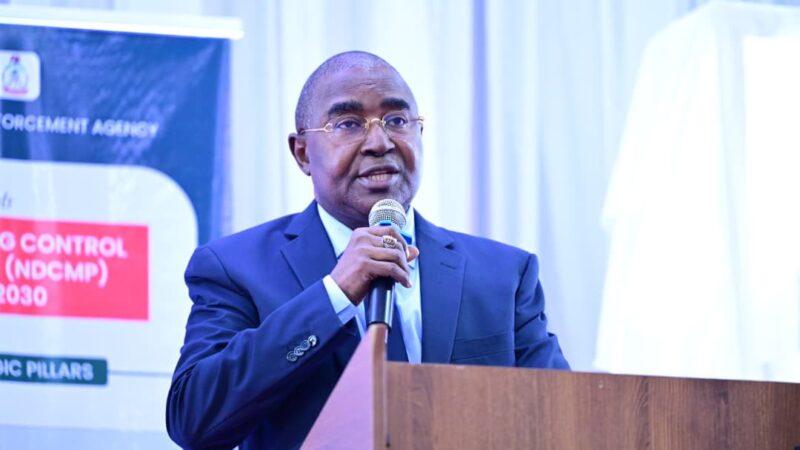

NiMet DG Joins Global Experts to Discuss Meteorological Infrastructure in Geneva
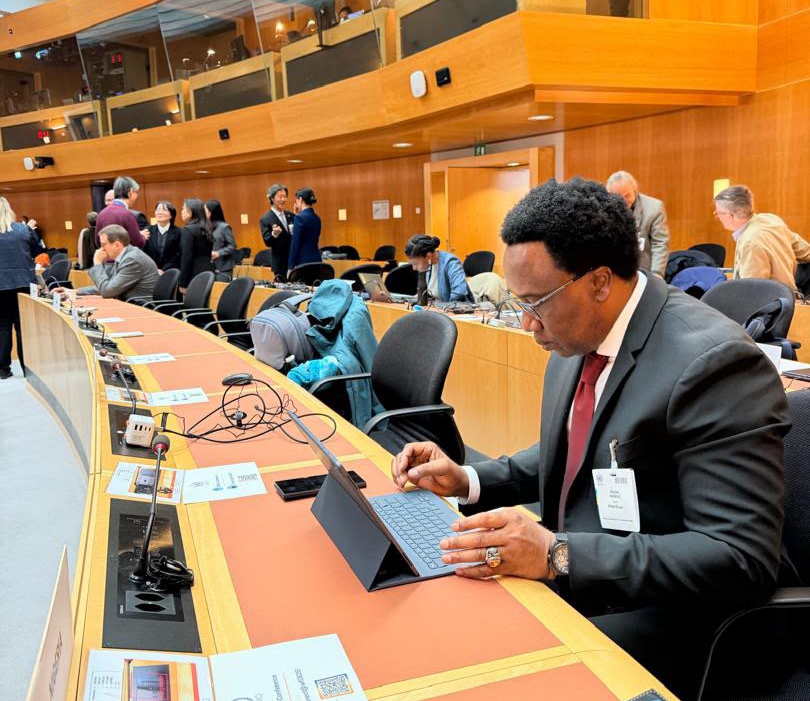
The Director-General and Chief Executive Officer of the Nigerian Meteorological Agency (NiMet), Prof. Charles Anosike, has joined meteorological experts and other stakeholders from across the world in Geneva, Switzerland, for discussions on strengthening global meteorological infrastructure and improving the quality of weather and climate information.
Anosike is participating in the fourth session of the Commission for Observation, Infrastructure and Information Systems (INFCOM), organised under the auspices of the World Meteorological Organisation (WMO).
The week-long session, which commenced on Monday, 23 November 2026, is expected to deliberate on critical technical regulations, competency requirements, international standards, cooperation frameworks and data generation and exchange systems that support meteorological, hydrological and related observations.
Key areas scheduled for discussion include marine, hydrological and cryosphere data, data quality management, emerging technologies such as artificial intelligence and machine learning, satellite systems and information and communication technology.
The meeting is considered significant to WMO member countries, including Nigeria, given the increasing importance of accurate and reliable weather forecasts in addressing the challenges associated with climate change, extreme weather events and other environmental threats.
The quality and reliability of weather forecasts and atmospheric predictions depend largely on the availability, accuracy and volume of observations collected across the earth system, including land surfaces, oceans and the atmosphere.
Consequently, strengthening the infrastructure used for collecting, processing and exchanging meteorological information remains essential to improving forecasting capabilities and supporting informed decision-making across different sectors of the economy.
Discussions on the opening day focused on several key global observation and information systems, including the WMO Integrated Global Observing System (WIGOS), the expansion of the Global Basic Observing Network (GBON) and improvements to the WMO Information System (WIS).
Participants also examined the framework of the WMO Integrated Processing and Prediction System (WIPPS), capacity development for member countries, and education and training in satellite meteorology.
Another major area of consideration was the competency requirements for personnel and technical experts responsible for the installation, maintenance, calibration and operation of instruments used in earth system observations.
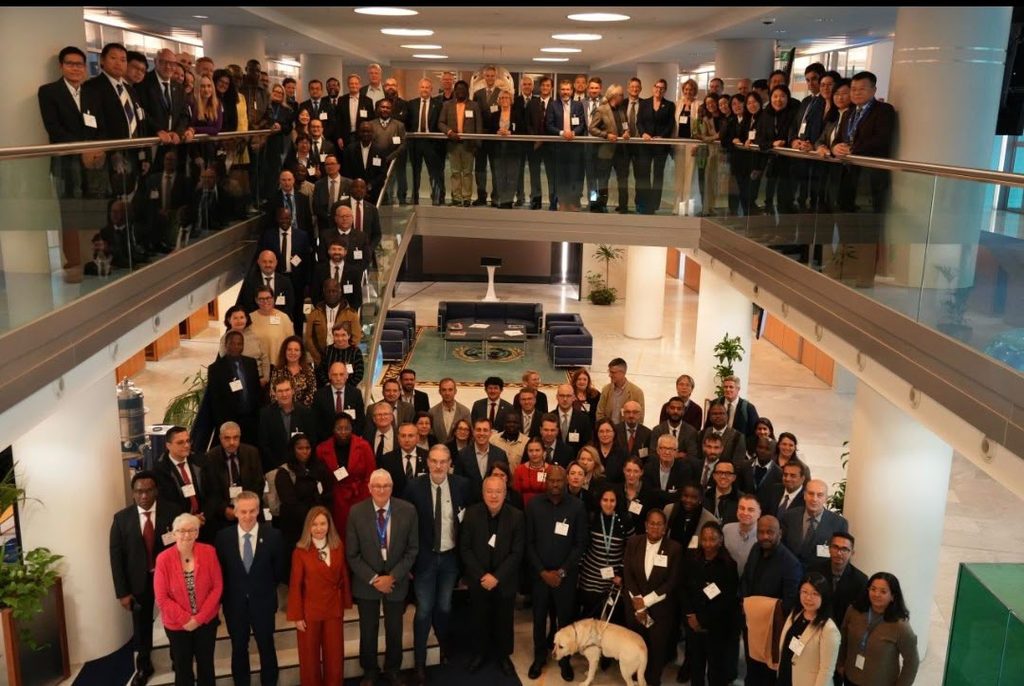
The discussions are expected to provide opportunities for member countries to strengthen their technical capacities, improve the reliability of meteorological data and promote greater international cooperation in the exchange of weather and climate information.
A notable highlight of the meeting was the recognition of NiMet’s growing contribution to meteorological capacity development across Africa.
At a side event devoted to capacity development, the agency’s specific role as a Peer Advisor to other Meteorological Services on the continent was acknowledged, particularly its contributions towards improving observation infrastructure and strengthening service delivery.
The recognition underscores the importance of regional cooperation and knowledge-sharing in addressing the technical and institutional challenges confronting meteorological agencies across Africa.
Through its Peer Advisor role, NiMet is positioned to support other national meteorological services in developing their observation capabilities, improving operational processes and strengthening the delivery of weather and climate services.
The participation of Anosike in the Geneva meeting also provides an opportunity for Nigeria to engage with the international meteorological community on emerging standards, technological developments and strategies for improving observation infrastructure.
The outcome of the INFCOM session is expected to contribute to the continuous improvement of global meteorological, hydrological and related observation systems, which are fundamental to effective weather forecasting, climate monitoring and early warning services.