

AON Rebukes FCCPC Over Fare Manipulation Claims
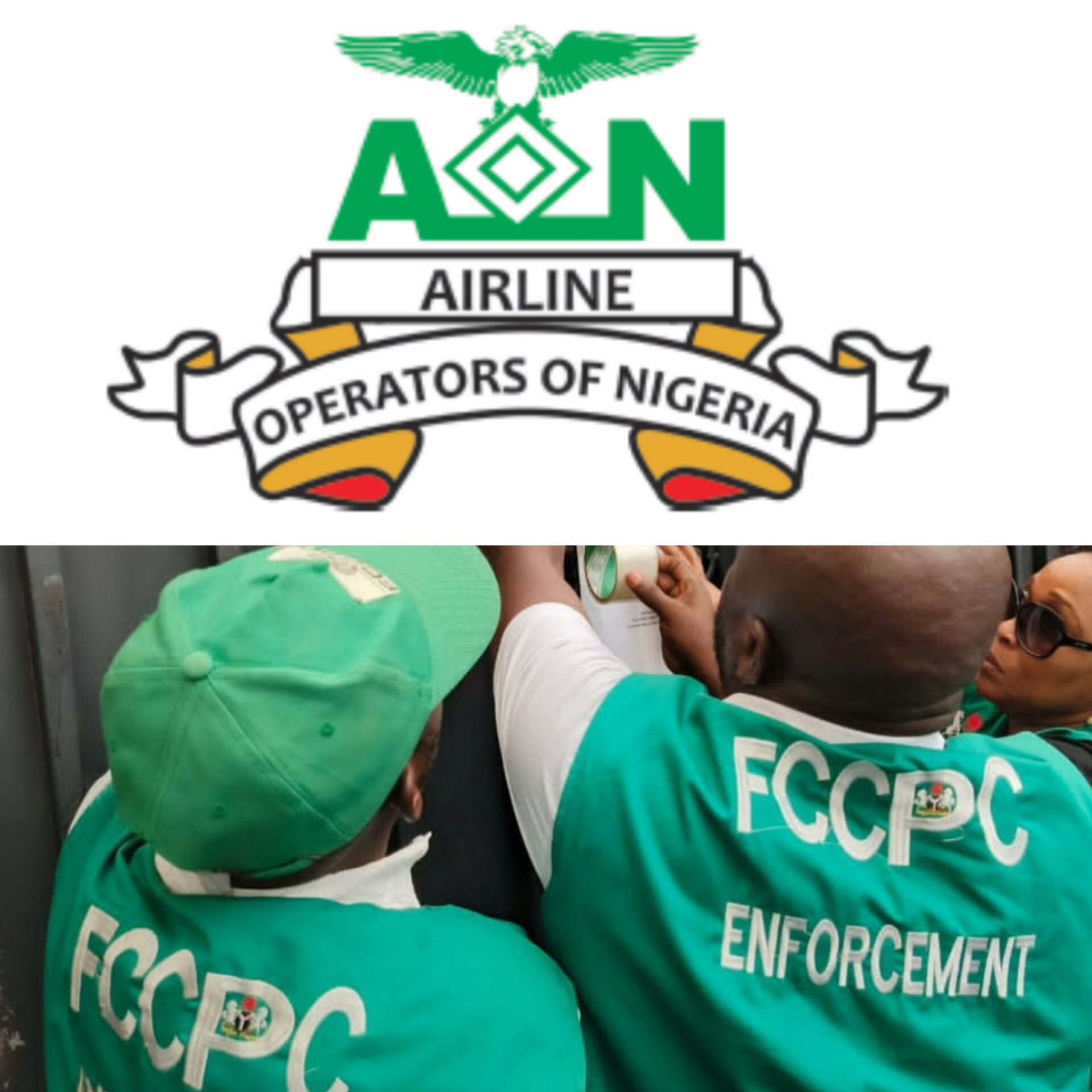
Nigeria’s aviation industry is witnessing a sharp escalation in tensions after the Federal Competition and Consumer Protection Commission (FCCPC) released an interim report alleging airfare manipulation by domestic carriers, prompting a strong rebuttal from the Airline Operators of Nigeria (AON), which described the findings as misleading and potentially damaging to the sector’s survival.
The dispute centres on the Commission’s investigation into ticket pricing patterns during the 2025 festive travel season, when passenger demand surged nationwide.
According to the regulator, preliminary analysis of data collected from airlines showed that fares on several domestic routes rose sharply during peak travel periods without corresponding increases in core cost drivers such as aviation fuel, taxation, or foreign exchange rates. Officials said the pattern suggested deliberate pricing decisions rather than unavoidable operational pressures.
Responding to the report, AON spokesperson Professor Obiora Okonkwo dismissed the allegations and questioned the Commission’s technical competence to interpret airline pricing structures. He argued that the agency lacks the specialised economic and operational expertise required to evaluate how airlines determine fares in a highly volatile industry.
He warned that regulatory conclusions not grounded in aviation realities could undermine already fragile operators. According to him, the Commission’s actions risk harming domestic airlines that are grappling with high operating costs, aircraft maintenance expenses, insurance premiums, leasing charges and fluctuating currency conditions.
While stressing that airlines respect government institutions, he insisted operators would not accept claims they consider unfounded or detached from industry realities.
Despite the backlash, the Commission has maintained that its inquiry is data-driven and focused on consumer protection. Investigators reportedly compared festive-season ticket prices with post-holiday fares across multiple routes and identified wide price disparities. On certain routes, regulators observed differences running into hundreds of thousands of naira between peak and off-peak travel periods.
The FCCPC said it also detected instances where fares increased at times when seat availability declined, raising concerns about possible capacity-management practices that could restrict supply during predictable demand spikes. The Commission emphasised that its findings remain interim and that further analysis, consultations and possible enforcement steps are under consideration.
Industry analysts note that domestic airlines operate within one of the most cost-intensive transport environments globally. Aviation fuel alone typically accounts for more than one-third of operating expenditure, while maintenance – often carried out abroad – is priced in foreign currency.
In addition, spare parts, training, insurance and aircraft leasing are dollar-denominated, leaving airlines exposed to exchange-rate volatility. Operating economics are particularly tight on short-haul domestic routes.
Experts estimate that the cost of running a single narrow-body flight can approach several thousand dollars, meaning airlines must maintain relatively high ticket prices simply to break even. With limited fleet sizes and frequent aircraft groundings for maintenance, seat supply often falls short of demand, especially during holidays and festive seasons.
Nigeria’s domestic aviation market is deregulated, meaning ticket prices are set by airlines based on demand, capacity and operational costs rather than government-imposed fare controls. Within such systems, seasonal price fluctuations are common worldwide.
Airlines typically charge higher fares during peak travel periods to offset lower yields during off-peak months and maintain year-round financial viability. However, regulators retain authority to intervene where there is evidence of collusion, anti-competitive conduct or exploitative pricing.
The FCCPC has indicated that its investigation aims to determine whether any such practices occurred and whether corrective regulatory measures are necessary.
The public disagreement highlights a broader policy dilemma facing Nigeria’s aviation sector: balancing consumer protection with the financial sustainability of airlines. Passenger groups have long complained about steep fares, particularly during festive seasons, while operators insist high prices reflect structural cost burdens rather than profiteering.
With both sides standing firm – regulators defending their findings and airlines rejecting them – industry observers say the outcome of the probe could shape future oversight of airline pricing, competition standards and consumer rights enforcement across the country’s aviation market.