
BASL Trains MMA2 Staff on Autism Support to Boost Inclusive Air Travel Experience
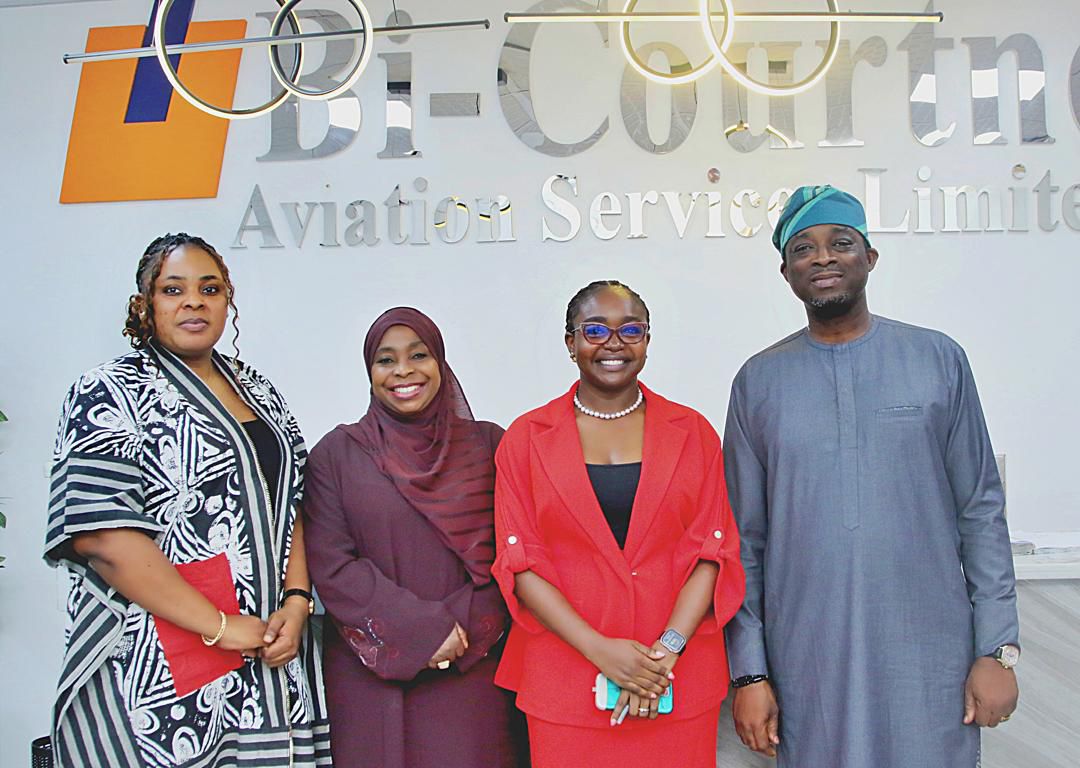
Bi-Courtney Aviation Services Limited has intensified efforts to improve accessibility and passenger care by organising specialised autism awareness and support training for customer-facing personnel at Murtala Muhammed Airport Terminal 2.
The training, facilitated by Cradle Lounge Special Needs Initiative and led by Solape Azazi, a certified master trainer under the World Health Organization Caregiver Skills Training programme, was designed to equip frontline airport staff with the competence and sensitivity required to assist passengers on the autism spectrum and their families.
According to the terminal operator, the session focused on practical understanding of autism, recognising signs of sensory overload or distress, and applying communication techniques that foster calm, clarity, and reassurance in high-stimulus airport environments.
Participants were also trained on collaborative approaches that emphasise dignity, empathy, and patience in passenger interactions.
Acting Chief Operating Officer and Head of Space and Premises Management, Kola Bamigboye, stated that the initiative reflects the organisation’s strategic vision of building a truly inclusive terminal where all travellers can navigate the airport with confidence and comfort.
He noted that airports can be overwhelming for individuals with autism due to crowds, noise, and multiple sensory triggers, stressing that empowering staff with specialised skills ensures a more seamless and supportive travel experience.
Also speaking, Head of Human Resources and Administration, Feyikemi Fadeyibi, underscored the role of continuous workforce development in achieving service excellence.
She explained that the company views its employees as central to the passenger journey and believes ongoing capacity building is essential for cultivating both professional competence and emotional intelligence.
She added that customer care remains a core institutional value and that the organisation’s culture encourages treating every traveller with patience, dignity, and understanding.
Azazi highlighted the importance of autism sensitisation in public spaces, noting that the condition often has no visible physical indicators. As a result, she explained, many individuals may only be identified when behavioural signs of sensory distress appear.
She said the training aimed to deepen understanding of autism fundamentals, help staff recognise early warning signals, and strengthen communication skills that prioritise compassion and teamwork.
The interactive workshop included scenario-based learning, de-escalation strategies, and guidance on engaging effectively with families and caregivers. Organisers said the programme also helped foster a broader culture of awareness and inclusion across the airport community.
Industry observers say such initiatives reflect a growing global shift toward inclusive aviation infrastructure and customer service models that cater to passengers with diverse needs.
By integrating specialised training into staff development programmes, the terminal operator is positioning itself as a pacesetter in accessible air travel services within Nigeria’s aviation sector.
The company reaffirmed its commitment to setting higher standards in customer experience, accessibility, and innovation, emphasising that inclusive service delivery will remain a cornerstone of its operational philosophy.