
Customs Links B’Odogwu Digital Reform to Trade Facilitation, Revenue Growth

The Nigeria Customs Service (NCS) has emphasised the importance of strategic communication in driving institutional reforms, facilitating trade, improving revenue generation and strengthening engagement with stakeholders, as it showcased its B’Odogwu digital modernisation platform.
The Service said effective communication remained critical to ensuring that technological and institutional reforms translated into tangible improvements in its operations and were properly understood and adopted by stakeholders across the trade and economic ecosystem.
The National Public Relations Officer of the NCS, Deputy Comptroller of Customs Abdullahi Maiwada, stated this on Wednesday, September 2, 2026, while representing the Comptroller-General of Customs, Adewale Adeniyi, at the 13th Annual Conference of the Association of Communication Scholars and Professionals of Nigeria (ACSPN), held at the National Open University of Nigeria, Abuja.
Maiwada said the Customs Service could not effectively discharge its responsibilities in trade facilitation, revenue collection and anti-smuggling without a strong communication framework capable of connecting the institution with the public and its various stakeholders.
“Our critical role in trade facilitation, revenue generation and anti-smuggling cannot be effective without effective communication,” he said.
According to him, the NCS has increasingly adopted technology and innovative approaches as part of efforts to modernise its operations, improve efficiency and create a more transparent and responsive Customs administration.
He identified B’Odogwu as one of the major components of the Service’s digital transformation agenda, describing it as an innovative trade model that had attracted attention beyond Nigeria.
B’Odogwu is part of the Customs modernisation drive aimed at deploying digital tools to simplify and strengthen Customs processes, particularly in the areas of trade facilitation and cargo clearance.
Maiwada said the success of such reforms depended not only on the deployment of technology but also on the ability of institutions to communicate the objectives, processes and benefits of the reforms clearly to stakeholders.
He noted that communication had therefore become an integral part of institutional transformation, particularly at a time when government agencies were increasingly relying on digital platforms and emerging technologies to deliver services.
The Customs spokesman also highlighted the Service’s “Town and Gown” initiative, which he said was designed to strengthen the relationship between academic institutions and professional practice in communication.
He disclosed that the initiative had already commenced at Bayero University, Kano, and in Port Harcourt, with plans to deepen the involvement of academia in Customs engagements from 2027.
Maiwada said closer collaboration between the NCS and communication scholars would enable the Service to draw from contemporary academic research, professional expertise and emerging communication technologies in developing its communication strategies.
At the same time, he said, academic institutions would gain practical exposure to Customs operations and the communication challenges associated with managing a major revenue-generating and trade-regulatory institution.
The engagement with ACSPN is part of the NCS’s broader effort to strengthen its relationship with professional and academic stakeholders as it implements reforms aimed at transforming the Service into a more technology-driven institution.
The conference also provided a platform for discussions on the rapidly changing communication environment and the implications of emerging technologies for democracy and electoral processes ahead of Nigeria’s 2027 general elections.
In his opening remarks, the ACSPN President, Professor Rotimi Olatunji, stressed the importance of informed citizens, credible media and transparent institutions to the survival and strengthening of constitutional democracy.
He said effective communication remained central to ensuring that citizens were adequately informed and able to participate meaningfully in democratic processes.
A keynote presentation delivered on behalf of the Chairman of the Independent National Electoral Commission (INEC), Professor Sani Adam, also drew attention to emerging threats associated with the rapid development of artificial intelligence and digital communication technologies.
Among the concerns highlighted were deepfakes, AI-generated content and candidate impersonation, which have the potential to distort public discourse, mislead voters and undermine confidence in electoral processes.
The discussions underscored the growing need for institutions, media organisations, academics and communication professionals to develop strategies for identifying and countering digitally manipulated information as Nigeria prepares for the 2027 elections.
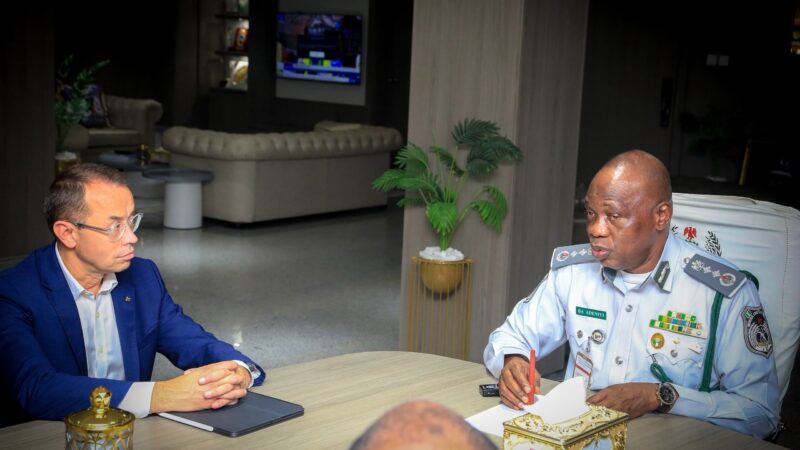
The NCS’s participation at the conference followed an earlier engagement with the leadership of ACSPN on Monday, August 31, when the association’s executives visited the Service’s National Headquarters in Abuja.
The meeting explored areas of potential collaboration, including digital communication, media engagement, professional development and stronger institutional links between academia and the Customs Service.
The two engagements reflect an emerging focus by the NCS on using communication not merely as a public relations function but as a strategic tool for implementing reforms and managing relationships with businesses, government agencies, the media, academia and other stakeholders.
The ACSPN conference subsequently featured technical sessions examining electoral communication and the challenges created by the digital age, particularly the increasing influence of artificial intelligence and other emerging technologies on public communication.
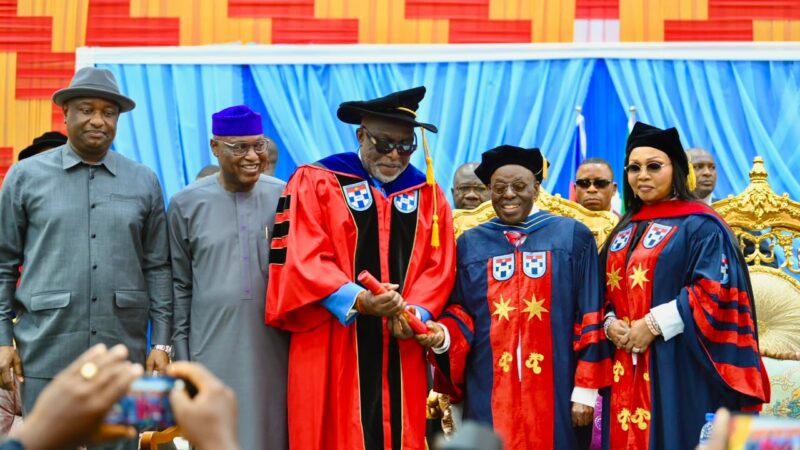
The event concluded with a dinner and award ceremony at which individuals who had made distinguished contributions to communication scholarship and professional practice were recognised.
For the Customs Service, the engagement reinforced the importance of maintaining sustained dialogue with communication professionals and academics as the institution continues its digital transformation and seeks to improve trade facilitation, revenue mobilisation and stakeholder confidence in its operations.