
Customs Strengthens Leadership Capacity as 50 Officers Graduate from NCCSC Gwagwalada
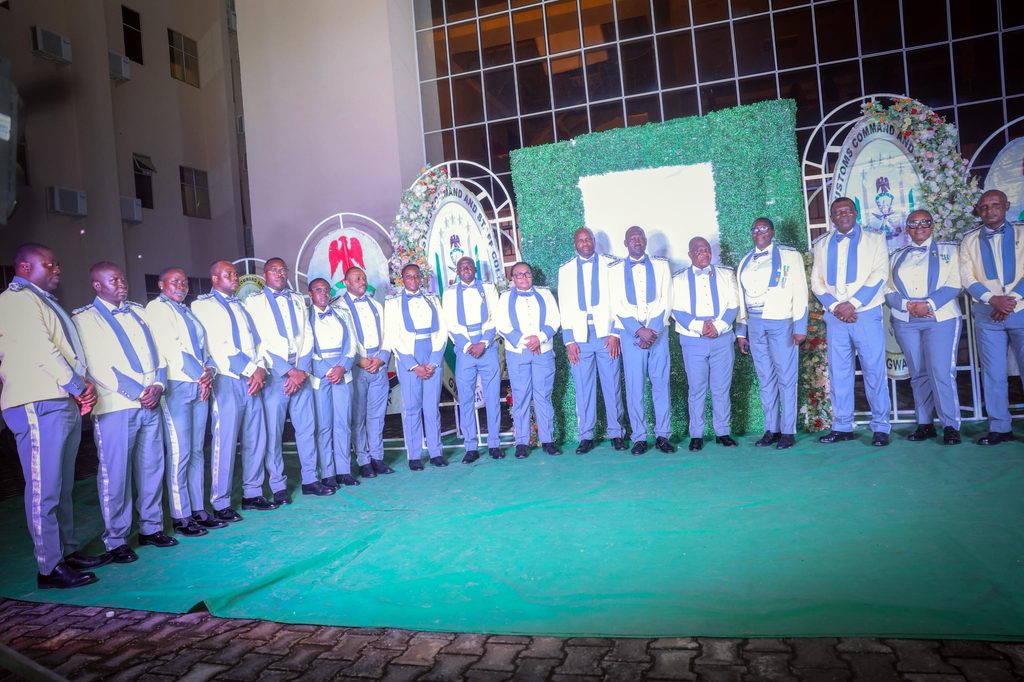
The Nigeria Customs Service (NCS) has strengthened its focus on professional leadership and operational efficiency with the graduation of 50 officers from the Nigeria Customs Command and Staff College (NCCSC), Gwagwalada, Abuja.
The officers completed the three-month Junior Course 25 programme, designed to deepen their professional competence, leadership skills and capacity to respond effectively to the increasingly complex demands of modern Customs administration.
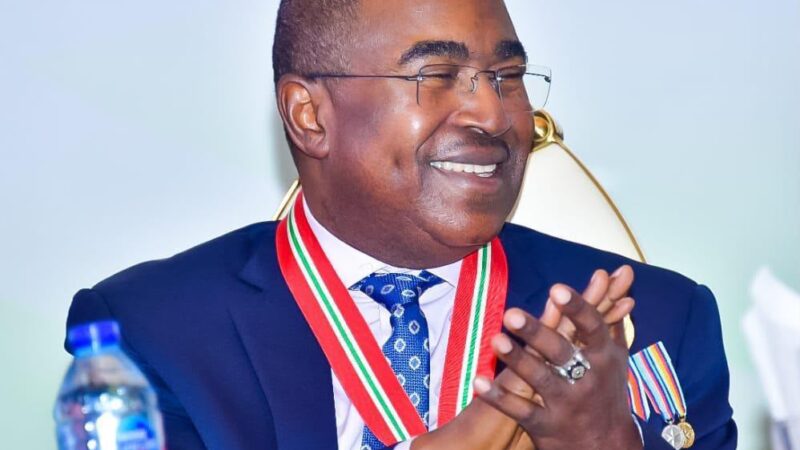
Speaking as the Special Guest of Honour at the graduation ceremony on Friday, 28 August 2026, the Comptroller-General of Customs, Adewale Adeniyi, urged the graduates to place integrity, sound judgement and the national interest above personal considerations in the discharge of their responsibilities.
Adeniyi said the changing nature of Customs operations required officers to move beyond traditional responsibilities, particularly revenue collection, and develop the competence and leadership qualities needed to manage a more sophisticated operational environment.
He told the graduates that leadership was not merely a function of rank or position, but was demonstrated through the quality of decisions officers make and their willingness to accept responsibility.
“Leadership is not defined solely by the rank that you wear, but is demonstrated through competence, fairness, courage and the responsibility you take,” he said.
The Customs chief urged the officers to apply the knowledge and skills acquired during the course to their various assignments, stressing that their professional conduct would have implications not only for the Service but also for national economic and security interests.
The graduation comes at a time when Customs administrations globally are facing growing demands to balance trade facilitation, border security, revenue mobilisation and the deployment of technology.
For Nigeria, the NCS plays a central role in collecting government revenue from international trade while also enforcing restrictions on prohibited goods, facilitating legitimate commerce and contributing to national security.
The training of middle-level officers is therefore increasingly important as the Service seeks to build a workforce capable of operating within a more technology-driven and intelligence-led environment.
The Commandant of the NCCSC, Assistant Comptroller-General of Customs Dow Gaura, commended the graduating officers for their dedication and commitment throughout the three-month programme.
Gaura also highlighted efforts to strengthen the college’s training capacity through institutional upgrades, including the deployment of digital learning tools and strategic training partnerships with the Nigerian Army.
According to him, the initiatives are intended to expose Customs officers to modern approaches to leadership, operational planning and professional development.
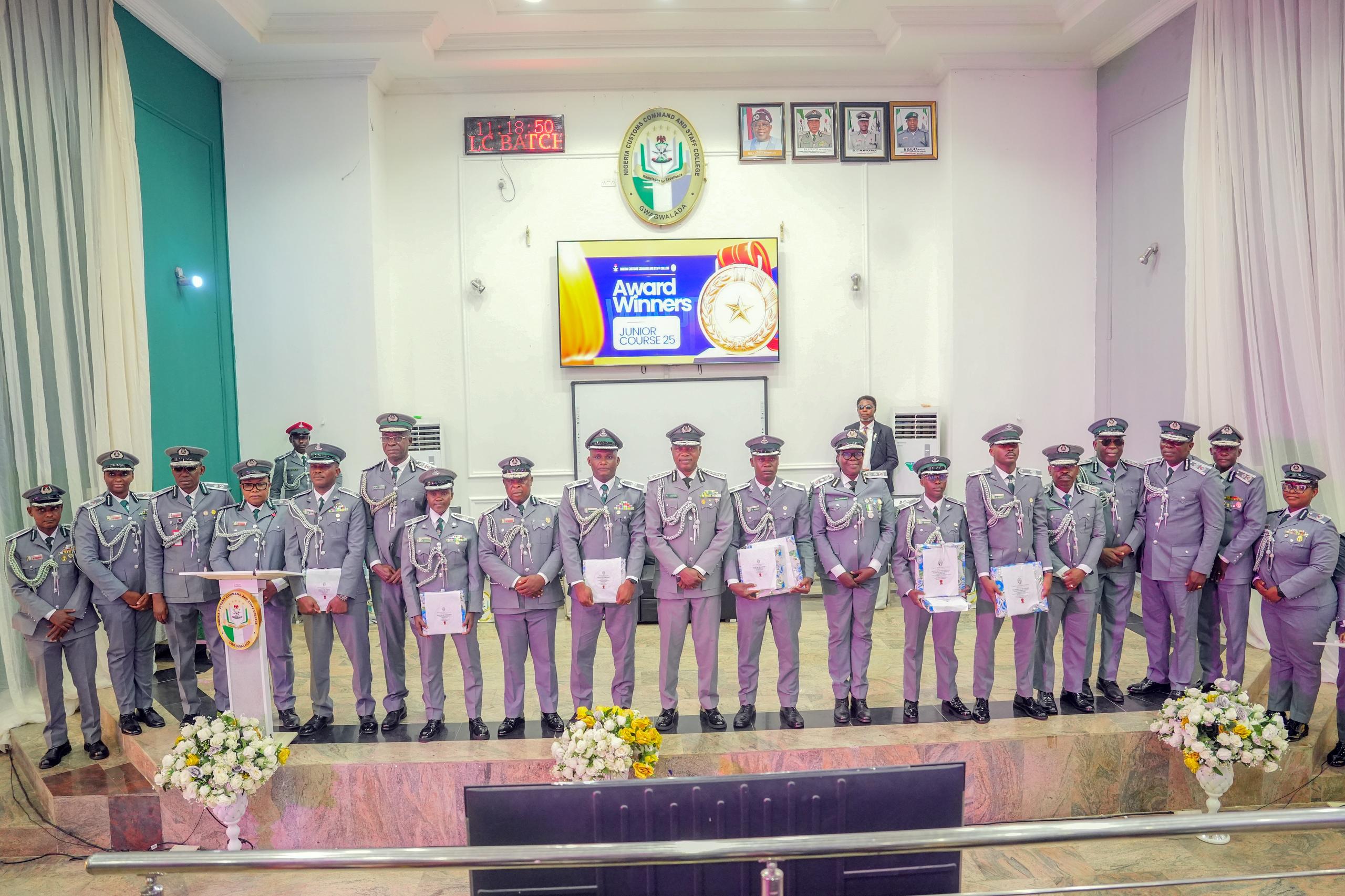
The ceremony featured the presentation of certificates to all 50 graduates, while the three best-performing officers received special awards from the Comptroller-General.
The awards were intended to recognise outstanding academic and professional performance during the course and reinforce the Service’s emphasis on merit and excellence.
The graduation activities began earlier in the week with a regimental dinner held on Wednesday, 26 August.
At the dinner, Deputy Comptroller-General of Customs Suleiman Chiroma, who represented the Comptroller-General, challenged members of the cohort to carry the values of vigilance, discipline and decisive leadership into their post-training assignments.
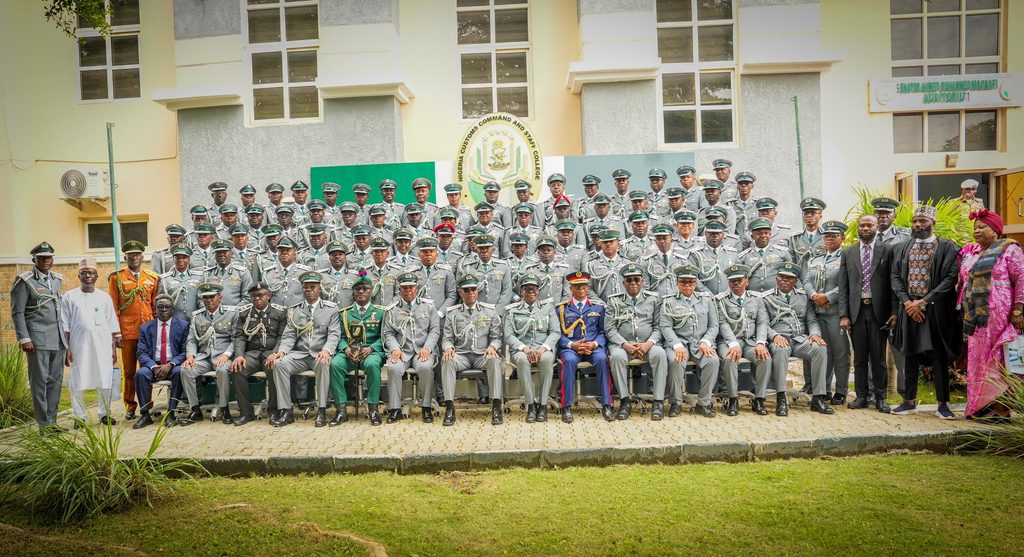
Chiroma urged the officers to remain alert and apply the lessons acquired at the college as they return to their respective commands.
The Junior Course 25 graduation is expected to further strengthen the pool of trained officers available to the NCS as it continues to modernise its operations and respond to emerging challenges at Nigeria’s borders and ports.
The development also underscores the growing importance of continuous professional training within the Service, particularly as Customs operations increasingly intersect with digital technology, international trade, border management and national security.
For the graduates, the completion of the programme marks the transition from classroom-based professional development to the practical application of their training across the various commands of the Nigeria Customs Service.
Adeniyi’s charge, however, places particular emphasis on the responsibility that comes with that transition: that officers must combine operational competence with integrity, fairness and accountability in carrying out their duties.
The NCS leadership has continued to position human-capital development as an important component of its wider modernisation efforts, with training institutions such as the NCCSC expected to play a central role in preparing officers for increasingly demanding responsibilities.