
Fresh Bird Strike Grounds Second Aircraft in 24 Hours, Disrupting United Nigeria Airlines Flights
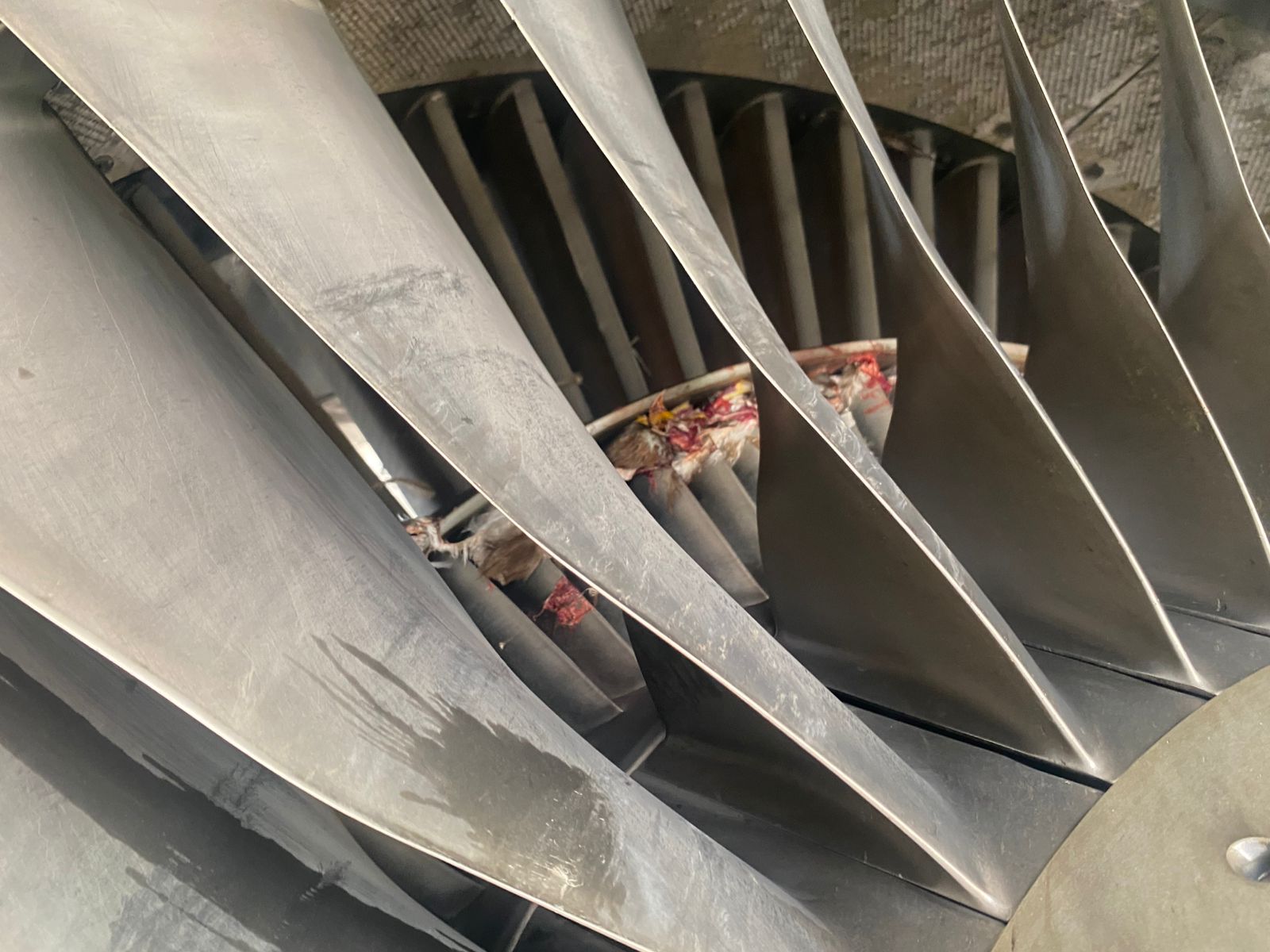
Nigeria’s fast-growing carrier, United Nigeria Airlines, has reported another aviation incident after one of its Airbus A320 aircraft suffered a bird strike during take-off, forcing the aircraft out of service and triggering operational disruptions across its network.
In a public statement issued on Sunday, 15 February 2026, the airline confirmed that the incident occurred on Flight UN0519, scheduled to depart at 12:00 hours from Nnamdi Azikiwe International Airport to Murtala Muhammed International Airport.
The airline explained that the collision involved one of the aircraft’s engines during take-off, necessitating immediate withdrawal of the plane from active service for detailed engineering and safety inspections.
The development marks the second bird strike recorded by the airline in less than 24 hours and the fourth such incident affecting its operations since January 2026.
With two aircraft now grounded within a single day, the airline acknowledged that its flight schedule will be affected, warning that some services may not operate as originally planned.
The airline stressed that the decision to suspend the aircraft from operations reflects its commitment to stringent safety standards.
Aviation protocols require any aircraft involved in a bird strike to undergo comprehensive inspection before returning to service, even when no visible damage is immediately apparent.
Technical examinations following such incidents typically include checks of engine fan blades, internal components, airframe structures, and vibration systems. These assessments are designed to detect hidden stress fractures or mechanical abnormalities that could compromise flight safety if left unresolved.
Industry regulators and safety authorities worldwide emphasise that precautionary grounding is a routine and necessary response rather than an indication of severe damage. Airlines that adhere strictly to such procedures are regarded as complying with international best practices for aviation safety.
The airline acknowledged that the grounding of two aircraft in such a short period will inevitably affect flight availability and punctuality. Travellers booked on certain routes may face delays, rescheduling, or cancellations while operational teams work to adjust fleet deployment.
United Nigeria Airlines apologised for the inconvenience caused and appealed for understanding from passengers and the travelling public. It stated that staff members are actively assisting affected travellers and striving to minimise disruption while maintaining safety as the top priority.
Bird strikes remain one of the most common wildlife-related hazards in aviation. They occur most frequently during take-off and landing, when aircraft operate at altitudes shared with bird populations. The risk can increase during migration seasons or in environments where nearby vegetation, water bodies, or food sources attract birds close to airport runways.
Airports typically employ wildlife-management strategies such as habitat modification, radar monitoring, noise deterrents, and patrol units to reduce such risks. Aviation specialists note that while bird strikes can rarely cause catastrophic damage, they are treated with utmost seriousness because engine ingestion of birds can impair performance or cause mechanical failure if not addressed promptly.
Despite the incident, the airline reiterated that passenger safety was never compromised. It emphasised that its maintenance and safety teams are conducting thorough checks on the affected aircraft before clearance is granted for its return to service.
The carrier described the event as “another bird strike too many,” signalling concern about the frequency of recent occurrences, while reaffirming its dedication to operational integrity and regulatory compliance.
For passengers, the episode serves as a reminder of the unpredictable variables that can affect aviation schedules. Although delays may cause frustration, aviation experts consistently stress that safety-driven decisions—such as grounding aircraft for inspection—are essential safeguards that protect both travellers and crew.
United Nigeria Airlines concluded by thanking customers for their patience and assuring them that every effort is being made to restore normal flight operations as quickly as possible once all technical evaluations are completed and aircraft are certified airworthy.