

Green Energy Financing Offers Nigerian SMEs Relief From Rising Power Costs
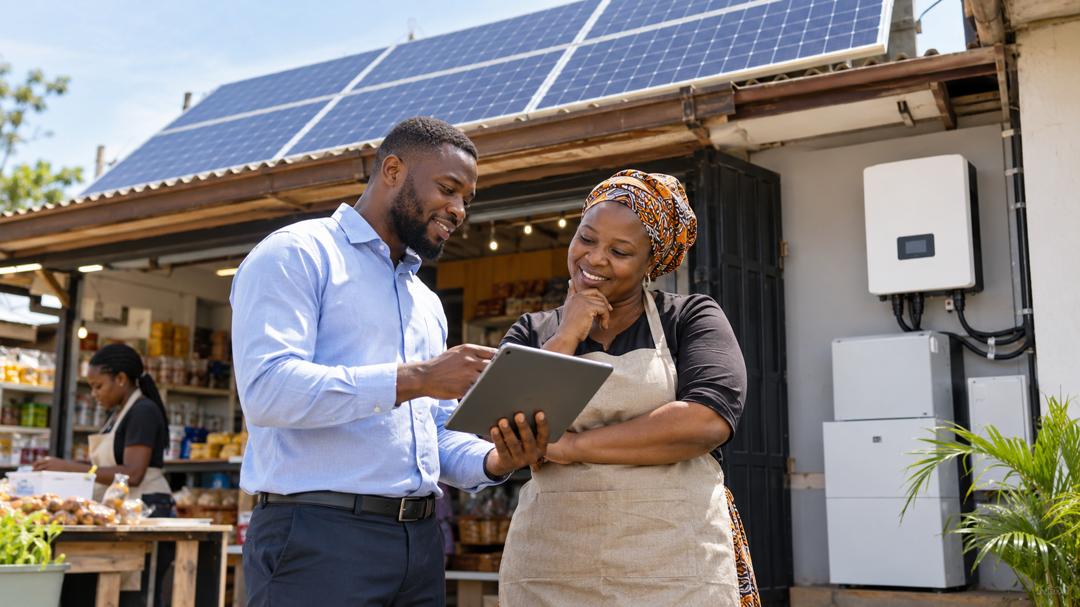
Small and medium-sized enterprises (SMEs) in Nigeria are increasingly turning to alternative energy sources to address rising electricity costs, frequent power supply disruptions and growing dependence on petrol and diesel generators, with green financing emerging as a potential means of easing the financial burden of adopting renewable energy.
Fidelity Bank Plc, through its Green Financing initiative, is seeking to support eligible individuals and businesses in acquiring solar panels, inverters, batteries and other related clean energy assets without having to pay the full cost of the equipment upfront.
The initiative comes amid growing concerns over the cost and reliability of electricity supply in Nigeria, where businesses often incur additional expenses to keep their operations running during grid outages.
For many small businesses, the cost of electricity goes beyond monthly bills to include fuel purchases, generator servicing, replacement parts, inverter batteries and losses arising from interrupted operations.
These expenses can make financial planning difficult, particularly for businesses operating on tight margins, as fluctuations in fuel prices and the availability of grid electricity affect their operating costs.
The situation has increased interest in decentralised energy solutions, including solar power systems, which can help businesses reduce their dependence on the national grid and conventional generators.
According to the World Bank, more than 80 million Nigerians, representing nearly 40 per cent of the population, lacked access to electricity as of 2025. Even for businesses and households connected to the national grid, unreliable supply remains a challenge, prompting many to invest in alternative sources of power.
However, the initial cost of installing solar energy systems remains a major obstacle to wider adoption, particularly among small businesses that must balance investments in equipment with the need to maintain sufficient working capital.
Solar installations typically require expenditure on panels, inverters, batteries and associated components. Although such investments may reduce reliance on generators over time, the upfront financial commitment can be difficult for small enterprises to meet.
Fidelity Bank’s Green Financing is designed to address this challenge by providing eligible customers with an opportunity to spread the cost of acquiring clean energy equipment over an agreed repayment period.
The financing approach allows business owners to assess the cost of acquiring a solar system against their existing expenditure on fuel, generator maintenance and other electricity alternatives.
Rather than committing a substantial amount of money at once, businesses can evaluate whether the financing arrangement fits their cash flow and whether the expected savings and operational benefits justify the investment.
For businesses that depend heavily on electricity, the potential benefits extend beyond reducing energy expenses to include improved operational continuity, more predictable costs and better protection against revenue losses caused by power interruptions.
Restaurants, for instance, require dependable electricity to preserve food and operate refrigeration equipment, while pharmacies need suitable power systems to maintain temperature-sensitive medicines.
Salons depend on electricity to operate their equipment, and small manufacturing businesses need a reliable supply to run machinery and sustain production.
When electricity fails, these businesses may experience spoiled goods, interrupted production, cancelled appointments and dissatisfied customers. In some cases, customers may turn to competitors capable of providing uninterrupted services.
The financial implications of such disruptions can be significant, particularly for businesses that depend on daily sales to meet their operating expenses.
Access to appropriately sized solar power systems could help reduce these risks by supplying electricity to essential equipment during grid outages and reducing the need to operate generators continuously.
Fidelity Bank’s Green Financing seeks to connect the environmental benefits of renewable energy with the commercial needs of businesses by supporting access to productive assets while allowing customers to preserve funds for inventory, staff salaries and business expansion.
However, the effectiveness of any solar financing arrangement depends partly on selecting equipment that matches the customer’s actual electricity requirements.
A system that cannot adequately power essential equipment may fail to deliver the expected benefits, while an oversized installation could increase acquisition costs and repayment obligations unnecessarily.
Businesses therefore need to assess their electricity consumption, operating hours, critical equipment and the duration for which alternative power may be required before committing to a particular system.
Battery capacity, inverter specifications and the amount of electricity generated by solar panels are also important considerations in determining whether an installation can meet a business’s needs.
For small enterprises, these assessments are particularly important because the cost of financing must remain manageable relative to expected savings and available cash flow.
Customers also need to understand the repayment terms, applicable charges and other conditions associated with a financing facility before making a commitment.
The objective is to ensure that the transition to renewable energy strengthens rather than undermines a business’s financial position.
Beyond fuel consumption, unreliable electricity imposes other costs on Nigerian businesses, including generator maintenance, replacement parts, noise and lost operating hours.
A business that cannot serve customers during a power outage may lose immediate revenue and potentially damage relationships with regular customers. For enterprises dealing with perishable products or time-sensitive services, the consequences can be even more serious.
Reliable electricity can therefore contribute to business stability by supporting consistent service delivery, protecting stock and allowing entrepreneurs to plan their operations with greater confidence.
Households can also benefit from alternative energy systems, particularly in areas where grid supply is unreliable. Solar-powered electricity can support lighting, refrigeration, internet connectivity, remote work and learning.
Financing arrangements that reduce the initial cost of acquiring the necessary equipment could help households and businesses access these benefits sooner, provided repayment obligations remain affordable.
Nigeria’s shift towards cleaner energy also presents an opportunity to improve economic resilience by reducing the exposure of businesses to disruptions in conventional electricity supply.
Distributed renewable energy systems can provide an additional source of power for enterprises that cannot afford prolonged interruptions, while potentially reducing their consumption of fossil fuels.
Financial institutions have a role to play in this transition by developing financing options that make renewable energy equipment more accessible to customers who might otherwise struggle to meet the initial acquisition costs.
Through its Green Financing initiative, Fidelity Bank is positioning itself to support eligible customers seeking to invest in solar panels, inverters, batteries and other related clean energy assets.
The initiative reflects the growing intersection between financial services, energy access and the need for businesses to manage operating costs more effectively.
As awareness of renewable energy grows, the availability of suitable financing could help more small businesses consider alternatives to conventional power sources.
Nevertheless, the long-term commercial benefits will depend on the suitability and quality of the equipment installed, the customer’s energy consumption patterns, the financing terms and the actual savings achieved after installation.
For Nigerian entrepreneurs, the central consideration is whether a proposed energy solution can deliver dependable electricity at a cost the business can sustain.
When properly assessed and financed, solar energy systems can help businesses reduce their exposure to grid disruptions, improve productivity and direct more resources towards production, sales, innovation and customer service.
By making the acquisition of clean energy equipment more financially manageable for eligible customers, Fidelity Bank’s Green Financing offers an avenue for businesses seeking to improve energy security while managing the competing demands on their resources.
As the country’s energy landscape continues to evolve, access to reliable and affordable electricity will remain an important factor in the ability of small businesses to sustain operations, protect revenue and pursue growth.