
Intelligence Backbone of Modern Customs Operations, CGC Tells Officers
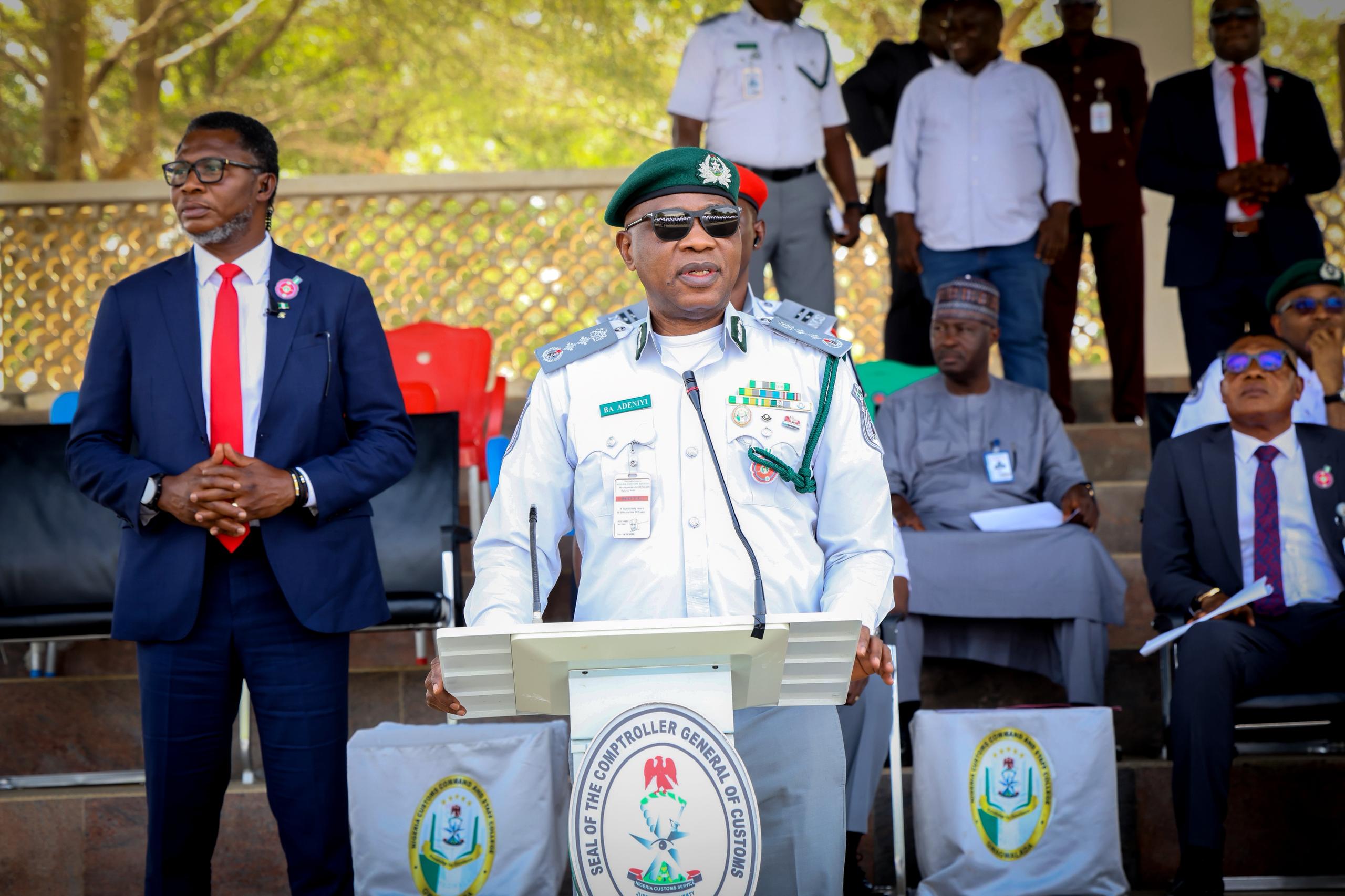
The Comptroller-General of Customs (CGC), Adewale Adeniyi, has charged officers of the Customs Intelligence Unit (CIU) of the Nigeria Customs Service (NCS) to place intelligence at the very heart of their professional duties, warning that no modern security, enforcement or revenue operation can succeed without timely, credible and well-applied intelligence.
Adeniyi gave the charge on Monday, 5 January 2026, at the Nigeria Customs Command and Staff College (NCCSC), Gwagwalada, during the opening ceremony of a specialised training programme for CIU officers.
He described the course as the Service’s first formal engagement of the year and a critical platform capable of shaping the professional mindset and operational effectiveness of participants.
Welcoming the officers to the College, the Comptroller-General said the training was coming at a pivotal moment for the Service and the country, urging participants to see the new year as an opportunity to make measurable and lasting contributions to national development.
He stressed that the expectations placed on Customs intelligence officers had continued to grow in line with evolving security threats and economic challenges.
Reflecting on recent global and domestic security developments, Adeniyi referred to various military and security interventions across different regions, including operations within Nigeria that resulted in the interception of illicit arms and ammunition.
According to him, a careful review of such operations reveals a consistent pattern: intelligence remains the common denominator behind every successful outcome.
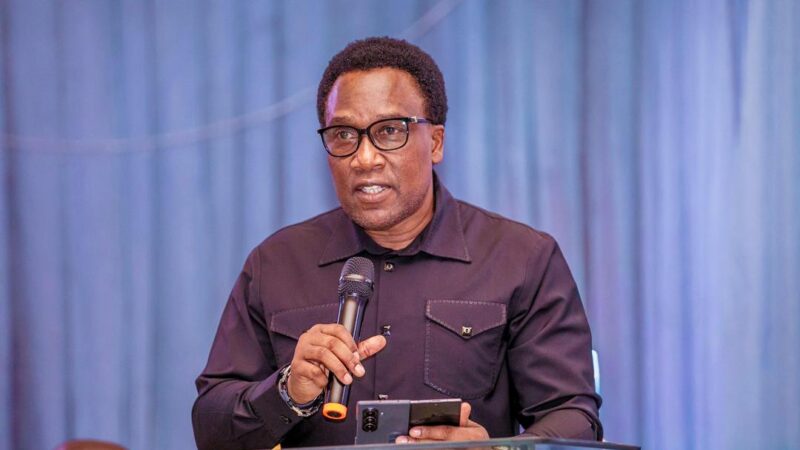
“Intelligence is not an abstract concept or a classroom theory,” the CGC told the officers. “It is a practical tool that determines success or failure in the field. As Customs officers, you must understand its value and apply it decisively in your daily operations.”
He encouraged participants to revisit papers already presented during the programme, noting that they contained practical insights and operational guidance that could be directly applied to real-life assignments.
Adeniyi added that intelligence-driven operations were essential not only for enforcement but also for revenue assurance, border security and the protection of the national economy.
In his remarks, the Commandant of the Nigeria Customs Command and Staff College, Assistant Comptroller General of Customs Dow Gaura, described intelligence as a quiet but powerful force capable of transforming institutions.
He said the ability to gather, analyse and effectively deploy intelligence had become indispensable in responding to emerging security and economic realities confronting the nation.
ACG Gaura noted that the Nigeria Customs Service had consistently prioritised intelligence-led training as part of its broader capacity-building strategy, describing the ongoing programme as a crucial phase in the professional development of participating officers.
He explained that intelligence underpins key Customs functions, including risk management, revenue protection, the disruption of smuggling networks and the safeguarding of the national economy.
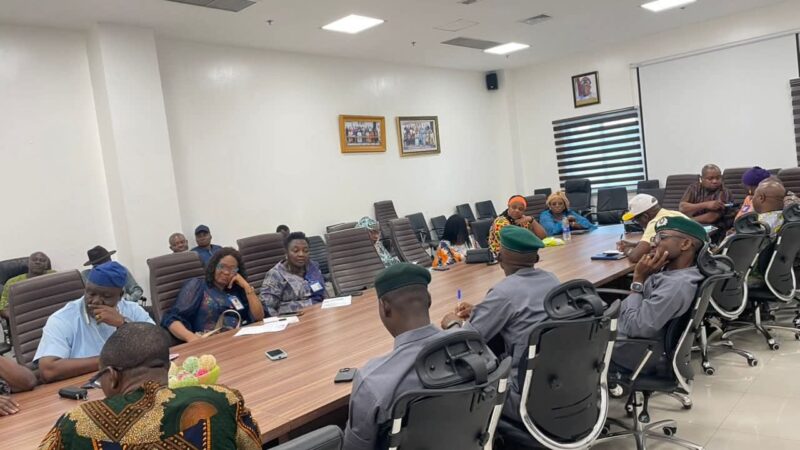
He urged officers to approach the training with seriousness and discipline, assuring them that Management had provided experienced facilitators, relevant learning materials and a structured environment designed to maximise focus and learning outcomes.
While acknowledging that the training conditions might differ from what some participants were accustomed to, Gaura said the goal was to instil professionalism, discipline and operational concentration.
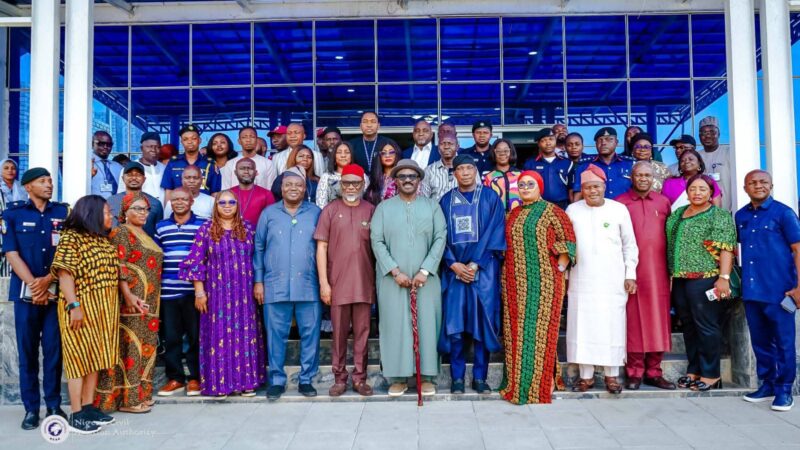
Senior officers present at the opening ceremony included the Deputy Comptroller General of Customs in charge of Human Resources Development, Tijjani Abe; the Deputy Comptroller General of Customs overseeing Training and Doctrine Command (TRADOC), Sulaiman Chiroma; and the Assistant Comptroller General of Customs in charge of Headquarters, Muhammad Shu’aibu, among other top officials of the Service.
The training programme is expected to further strengthen the intelligence capacity of the Nigeria Customs Service, in line with its mandate to secure borders, enhance revenue generation and support national security through intelligence-driven operations.