
Marwa urges Nigerian youths to shun illicit drugs, embrace entrepreneurship
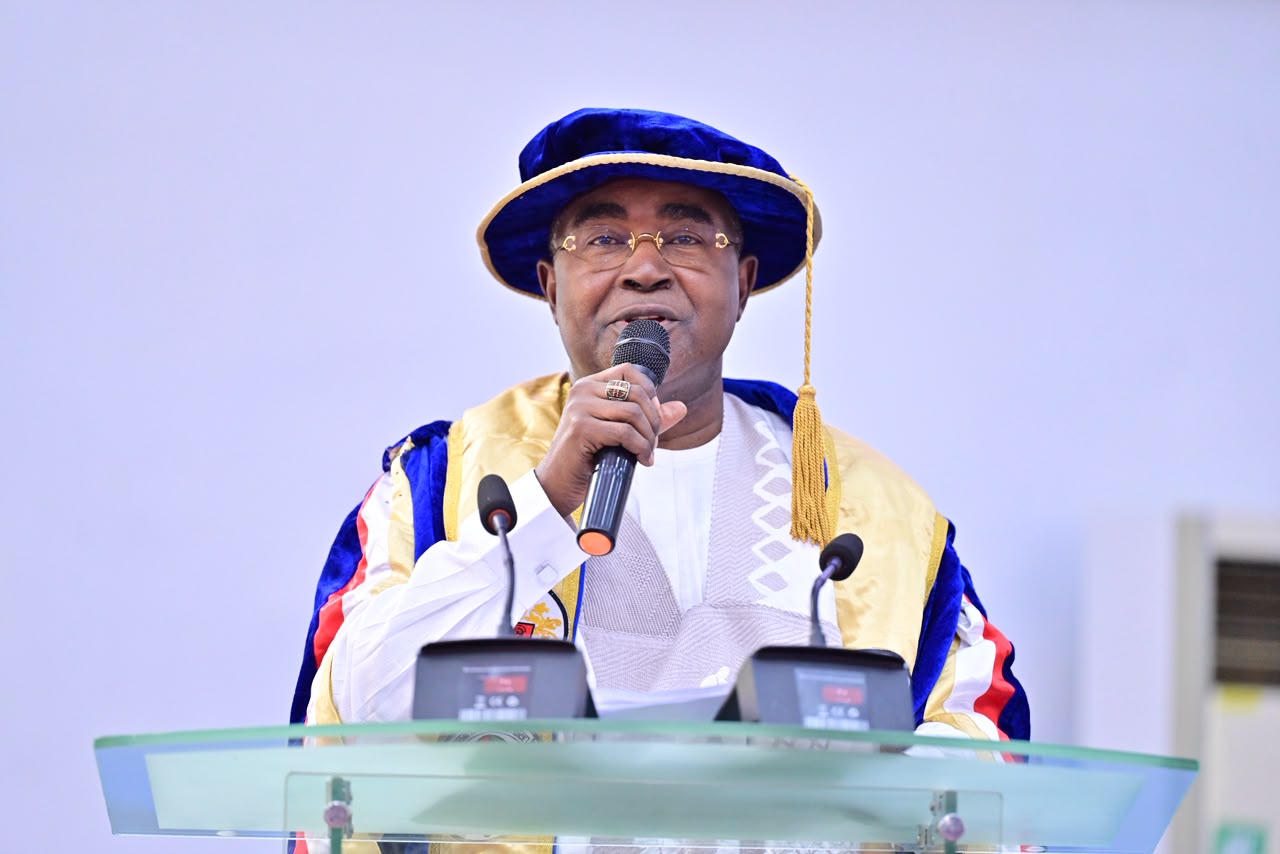
The Chairman/Chief Executive Officer of the National Drug Law Enforcement Agency (NDLEA), Brig. Gen. Mohamed Buba Marwa (retd.), has urged Nigerian youths to reject shortcuts to wealth, shun illicit drugs and embrace entrepreneurship as a sustainable pathway to economic independence and national development.
Marwa warned that unemployment, economic frustration and the desperation for quick money were making young Nigerians vulnerable to drug abuse and recruitment by trafficking networks, stressing that productive engagement and legitimate business opportunities were critical to addressing the country’s drug problem.
He gave the advice on Saturday while delivering the 24th Convocation Lecture of Igbinedion University, Okada, Edo State, titled, ‘Graduates’ Transition to Nation Building: A Case for Sustainable Entrepreneurship and Scalable Value Chains in the University’.
Addressing the graduating class of 2026, the NDLEA boss said Nigeria needed graduates who would create opportunities rather than depend solely on government and private sector employment.
He challenged them to look beyond the search for jobs and consider how their education, skills and creativity could be converted into businesses capable of generating wealth, creating employment and contributing to national development.
“I will not stand here and pretend this is easy. A speech that ignores your anxieties is a speech not worth giving. But I will say what experience has taught me in uniform, in public office, and now in the war against illicit drugs: a nation is not built by those who wait to be employed. It is built by those who decide to be useful,” he said.
Explaining the connection between entrepreneurship and the fight against illicit drugs, Marwa said his experience at the NDLEA had exposed him to different categories of young people drawn into drug trafficking and abuse because of economic hardship and lack of opportunities.
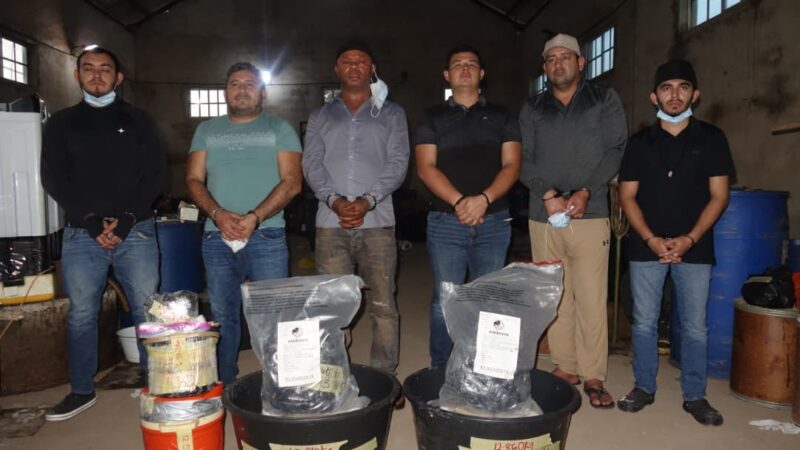
He cited the example of young people recruited as drug couriers because they could not afford their rent, farmers pushed into cultivating illicit crops because of poor returns from legitimate agriculture, and university graduates who moved from frustration to drug experimentation and eventual dependence.
According to him, these cases demonstrate how unemployment and hopelessness create conditions that drug trafficking networks exploit to recruit vulnerable young people.
“Idleness without hope is the most fertile soil for drug abuse and trafficking,” he said.
Marwa explained that trafficking organisations deliberately target unemployed and desperate youths with promises of quick income, social acceptance and false status, adding that gainfully employed young people and entrepreneurs were less vulnerable to such recruitment.
“Every young person who is gainfully engaged, running a business or working in a productive chain, is a recruit these networks have lost,” he stated.
He said this informed the NDLEA’s approach to combating the drug problem through supply reduction, demand reduction and the creation of economic opportunities.
“Enforcement closes doors that lead to harm. Entrepreneurship opens doors that lead to dignity. A country needs both,” he added.
Providing an insight into the agency’s drug prevention and rehabilitation efforts, Marwa disclosed that 54,517 persons had been counselled, treated and rehabilitated in the NDLEA’s 31 rehabilitation centres across the country within the last five years.
He also revealed that the agency had conducted 17,673 War Against Drug Abuse (WADA) advocacy outreaches within the same period.
The outreaches, he said, covered schools, university campuses, markets, motor parks, religious centres, workplaces and communities as part of efforts to educate Nigerians about the dangers of substance abuse.
He maintained that young people struggling with drug dependence should be treated with compassion and provided with access to rehabilitation rather than being regarded exclusively as offenders deserving punishment.
Marwa also commended Igbinedion University for making entrepreneurship an integral part of its academic philosophy, noting that its Entrepreneurial Skills Acquisition Centre had become a model adopted by the National Universities Commission (NUC) for other universities.
He cited the university’s poultry farm and bakery as practical examples of how institutions could establish interconnected businesses that support one another while creating economic value.
“The poultry farm feeds the bakery, and the bakery feeds the campus. That is a value chain in miniature, and it is the blueprint for the Nigeria we want,” he said.
The NDLEA chief executive outlined three principles he considered essential for graduates seeking to establish sustainable businesses: building to last, thinking in value chains rather than isolated business activities, and maintaining discipline.
On building sustainable businesses, he emphasised financial discipline, integrity, environmental responsibility and social purpose, warning graduates against ventures founded on illicit money, dishonest practices and the pursuit of overnight wealth.
“Nigeria does not lack starters. We lack finishers,” he said, adding that businesses established through shortcuts and sharp practices were unlikely to survive.
On value chains, Marwa challenged graduates to identify opportunities beyond the production of raw materials, arguing that Nigeria was losing jobs and economic value by exporting unprocessed commodities and importing finished products.
“Every time we ship out raw produce and buy back the processed version, we export jobs,” he said.
He urged young pharmacists, chemists, biotechnologists and logistics entrepreneurs to invest in developing a legitimate, regulated and quality-assured pharmaceutical value chain, which he said would improve public health, create employment and weaken the market for illicit substances.
He also called for greater investment in agricultural processing, storage, marketing and fair pricing, arguing that making legitimate farming profitable would reduce the attraction of illicit crop cultivation.
On discipline, Marwa warned that graduates would encounter different forms of social and economic pressure, including the temptation to use drugs as a means of coping with stress, loneliness, disappointment and workplace demands.
Describing the brain as their most valuable asset, he urged them to protect their mental capacity and avoid substances marketed as solutions to personal and professional challenges.
“Some of the brightest minds I know were lost not to failure but to a chemical that promised to help them cope. Your brain is the most valuable asset you will ever own. Protect it,” he cautioned.
He also encouraged graduates to support friends experiencing drug-related challenges and seek professional assistance where necessary, stressing that asking for help should not be regarded as a sign of weakness.
Marwa further called on parents to support their children’s entrepreneurial ambitions, including unconventional business ideas, while urging governments at all levels to create a more favourable environment for small and medium-sized enterprises through improved access to finance, reliable electricity, effective regulation and policy stability.
He said the Federal Government’s Renewed Hope Agenda under President Bola Tinubu had placed emphasis on improving the ease of doing business and providing financial support to small and medium-sized enterprises to stimulate productivity and employment.
The NDLEA chairman also challenged private sector operators to integrate young entrepreneurs into their supply chains and strengthen partnerships with universities to promote innovation and enterprise development.
He urged universities nationwide to emulate Igbinedion University by transforming their campuses into practical centres for entrepreneurship, where students could acquire business skills alongside their academic qualifications.
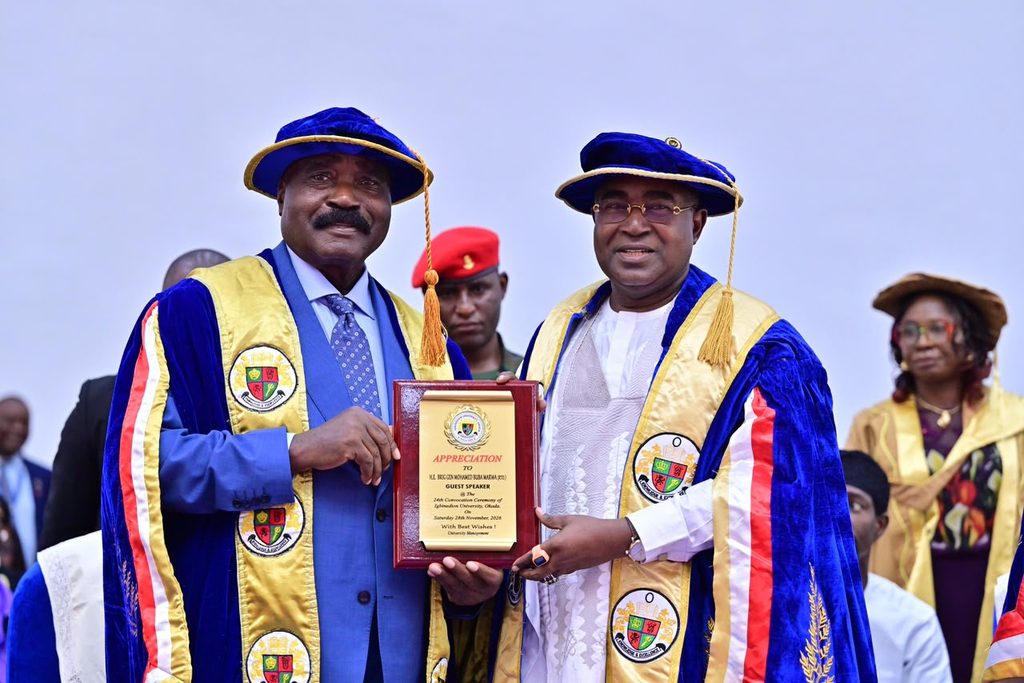
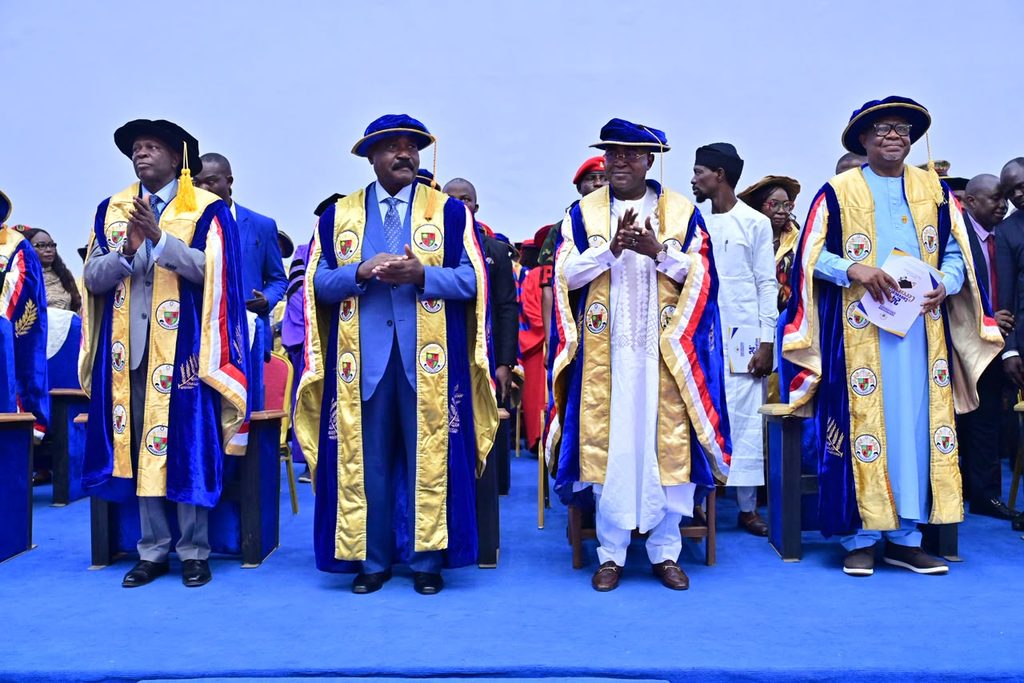
The convocation lecture was attended by the university’s proprietor and Chancellor, Sir Chief Gabriel Osawaru Igbinedion, who was represented by the Deputy Chancellor, Chief Lucky Igbinedion; the Pro-Chancellor and Chairman of the Governing Council, Prof. Ahmed Tijjani Mora; Vice-Chancellor, Prof. Lawrence Ikechukwu Ezemonye; members of the Governing Council and Senate, parents and other guests.
Charging the graduating students to embrace integrity, continuous learning, strategic partnerships and responsible business practices, Marwa urged them to carry the university’s SITER values of Scholarship, Integrity, Team Spirit, Enterprise and Responsiveness into their professional lives.
He challenged them to become creators of economic opportunities and contributors to national development rather than simply joining the queue of job seekers.
“Go out from this auditorium, not as hunters of vacancies but as architects of opportunity. Build things that last. Build chains that grow. Build lives that others can lean on. And in doing so, build a nation so full of purpose that the dark trade in drugs finds no room, and no recruits, within it,” he said.