
Nigeria Customs Seeks Stakeholders’ Backing for National Single Window Rollout

The Nigeria Customs Service (NCS) has intensified its campaign for stronger stakeholder collaboration as it moves closer to implementing the National Single Window (NSW) project, a major reform aimed at modernising Nigeria’s trade processes and accelerating the country’s digital transformation in the maritime and aviation sectors.
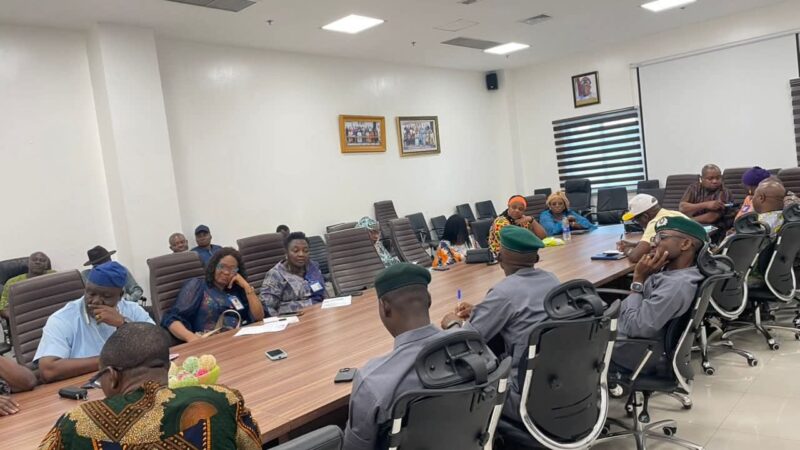
The Comptroller-General of Customs made the call during a high-level stakeholder engagement with airline and shipping line operators held in Abuja on 4 March 2026.
At the meeting, the Customs chief emphasised that the success of the ambitious project would depend heavily on the cooperation and support of key industry players who interact daily with the nation’s ports and trade ecosystem.
According to him, the National Single Window initiative represents a critical step in Nigeria’s broader trade modernisation strategy, aimed at simplifying documentation, improving transparency, and facilitating faster clearance of goods at the country’s entry points.
He noted that the Service has already made significant progress in its modernisation journey due to the support and collaboration of stakeholders across the trade value chain.
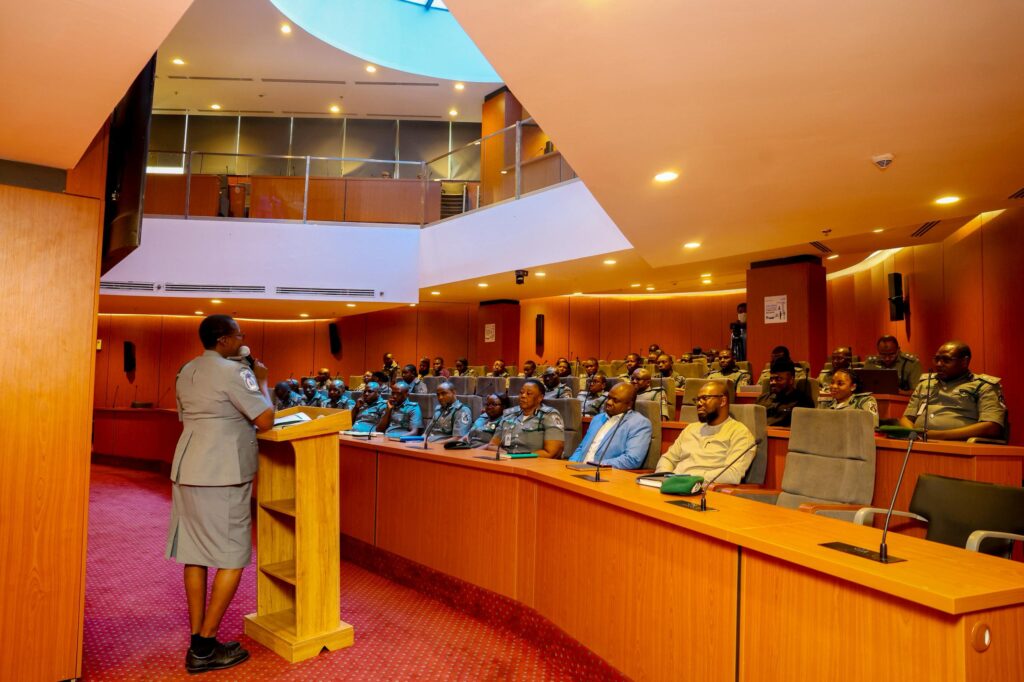
The Comptroller-General revealed that the President has mandated the Customs Service to take decisive steps towards the successful launch of the National Single Window, stressing that the initiative is designed to position Nigeria as a competitive and efficient hub within the global trading system.
He explained that airline operators and shipping companies occupy a central role in the new framework, as their operational data and logistics processes will form part of the integrated digital platform that enables real-time coordination among government agencies involved in trade regulation.
To ensure a smooth transition to the new system, the Customs chief assured industry players that adequate support mechanisms are being established to address possible operational concerns during the implementation phase.
“A help desk staffed with well-trained personnel will be available to respond promptly to any operational challenges that may arise during the rollout of the system,” he said.
Earlier, during an awareness programme organised by the Service on 3 March 2025, Customs had already begun mobilising stakeholders and partner government agencies to support the project, describing the National Single Window as a strategic reform aligned with the Service’s mandate of trade facilitation, revenue generation and enhanced inter-agency collaboration.
Speaking at that programme, the Deputy Comptroller-General of Customs in charge of ICT and Modernisation, DCG Oluyomi Adebakin, described the National Single Window initiative as a major milestone in the Service’s comprehensive digital reform agenda.
She disclosed that the Customs Service had spent several months undertaking preparatory work to ensure that the operational framework being developed for the project reflects the realities of Nigeria’s trade environment while supporting seamless implementation across multiple government agencies.
“This is a national project, but Customs is at the centre of its execution,” Adebakin said. “The success of the Single Window depends on collective understanding and cooperation. We must all appreciate its value because we cannot effectively promote what we do not fully understand.”
She further reassured Customs officers and industry stakeholders that the digital system is designed to complement human expertise rather than replace it. According to her, the deployment of modern technology will significantly enhance operational efficiency, improve transparency and accelerate cargo clearance procedures as well as trade documentation processes.
Also speaking at the programme, the Director of the National Single Window Project, Tola Fakolade, acknowledged the crucial leadership role being played by the Customs Service in driving the implementation process.
Fakolade commended the Service for its strong institutional support and sustained collaboration with the project implementation team.
“Our number one stakeholder is the Nigeria Customs Service,” he said.
“We have maintained a strong and constructive working relationship, and Customs’ institutional experience remains critical to the success of this project.”
With the Customs Service spearheading stakeholder engagement and operational coordination, the National Single Window initiative is expected to significantly transform Nigeria’s trade environment.
Industry experts believe the system will reduce bureaucratic bottlenecks, improve revenue collection, and strengthen Nigeria’s competitiveness in the global trading community once fully operational.