
NiMet Reaffirms Leadership in Data-Driven Disaster Preparedness at National Anticipatory Action Conference
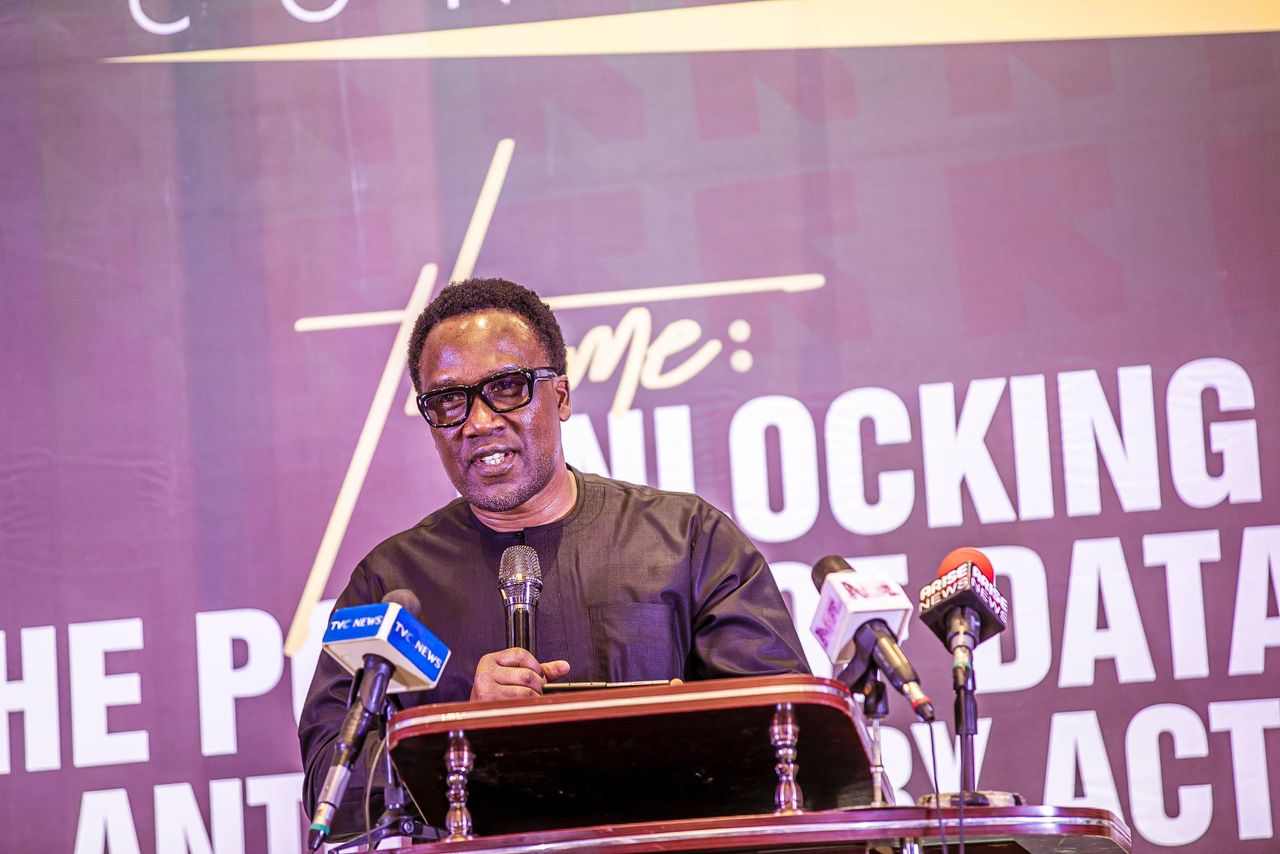
The Director-General/CEO of the Nigerian Meteorological Agency (NiMet), Professor Charles Anosike, has reiterated the Agency’s commitment to enhancing proactive, data-driven disaster preparedness across Nigeria.
He made this known on Thursday, 4th December 2025, while delivering a goodwill message at the Anticipatory Action National Conference organised by the Office of the Vice President in collaboration with the International Rescue Committee (IRC) Nigeria.
Addressing participants, Professor Anosike underscored the urgency of adopting anticipatory action as a national priority, given Nigeria’s recurring exposure to floods, droughts, and other extreme weather events.
He noted that the country stands to save more lives and protect livelihoods if scientific information is deployed early and effectively.
“Last year, early warning systems helped save thousands of lives during the devastating floods in Nigeria – imagine the impact we could have if data-driven anticipatory action were implemented across the nation,” he said.
The DG highlighted NiMet’s ongoing efforts to upgrade weather observation and forecasting infrastructure, supported by an expanded meteorological network and advanced technologies.
He described the Seasonal Climate Prediction (SCP) as one of the Agency’s most impactful tools, offering crucial guidance to farmers, emergency responders, urban planners, and policymakers.
“By providing early warnings on rainfall patterns, drought likelihood, and extreme events, we empower communities to prepare and adapt – turning information into action,” he stated, stressing the SCP’s growing relevance in national planning and resilience building.
Professor Anosike further emphasised that anticipatory action is a shared responsibility requiring cooperation across all levels – government institutions, communities, humanitarian actors, and the private sector.
He noted that building resilience demands interoperable systems, widespread knowledge sharing, and sustained community engagement.
While acknowledging existing challenges such as data gaps and limited rural access to technology, he expressed optimism about the transformative potential of emerging innovations including artificial intelligence, big data, and mobile platforms to strengthen early warning and anticipatory frameworks.
Calling for stronger collaboration, he urged stakeholders to “think boldly and work closely together,” adding, “Together, we can move from reacting to disasters to anticipating and preventing them.”
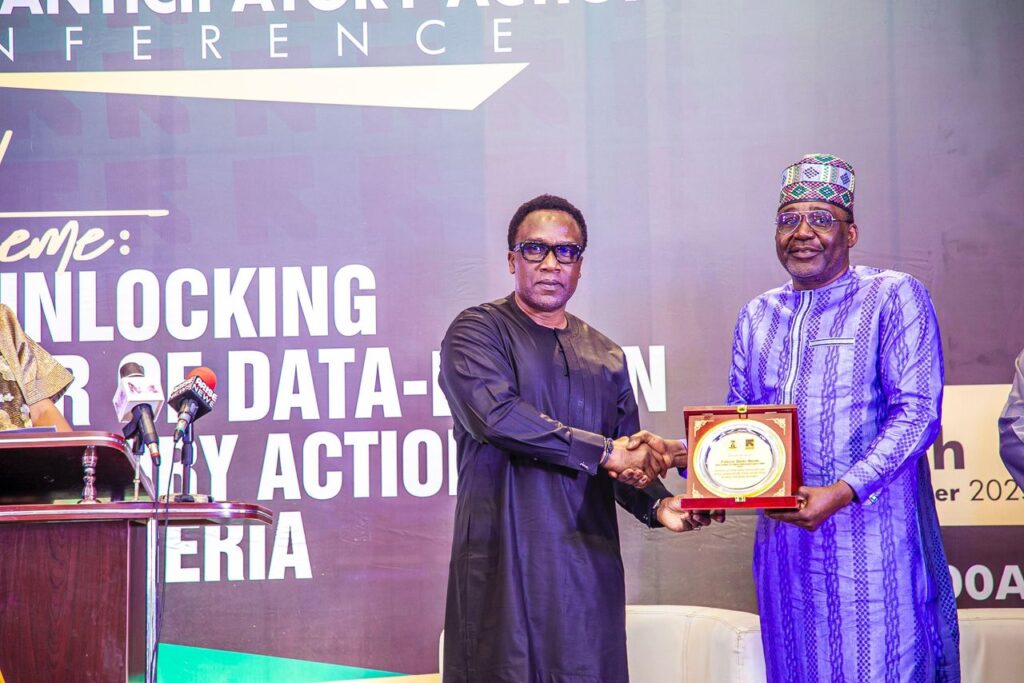
A highlight of the event was the presentation of an award to Professor Anosike in recognition of NiMet’s leading role in promoting data-driven solutions that enhance disaster preparedness and climate resilience across Nigeria.