

Ethiopian Airlines Revenue Climbs 20% to $9.1bn as Passenger, Cargo Traffic Hits Record High
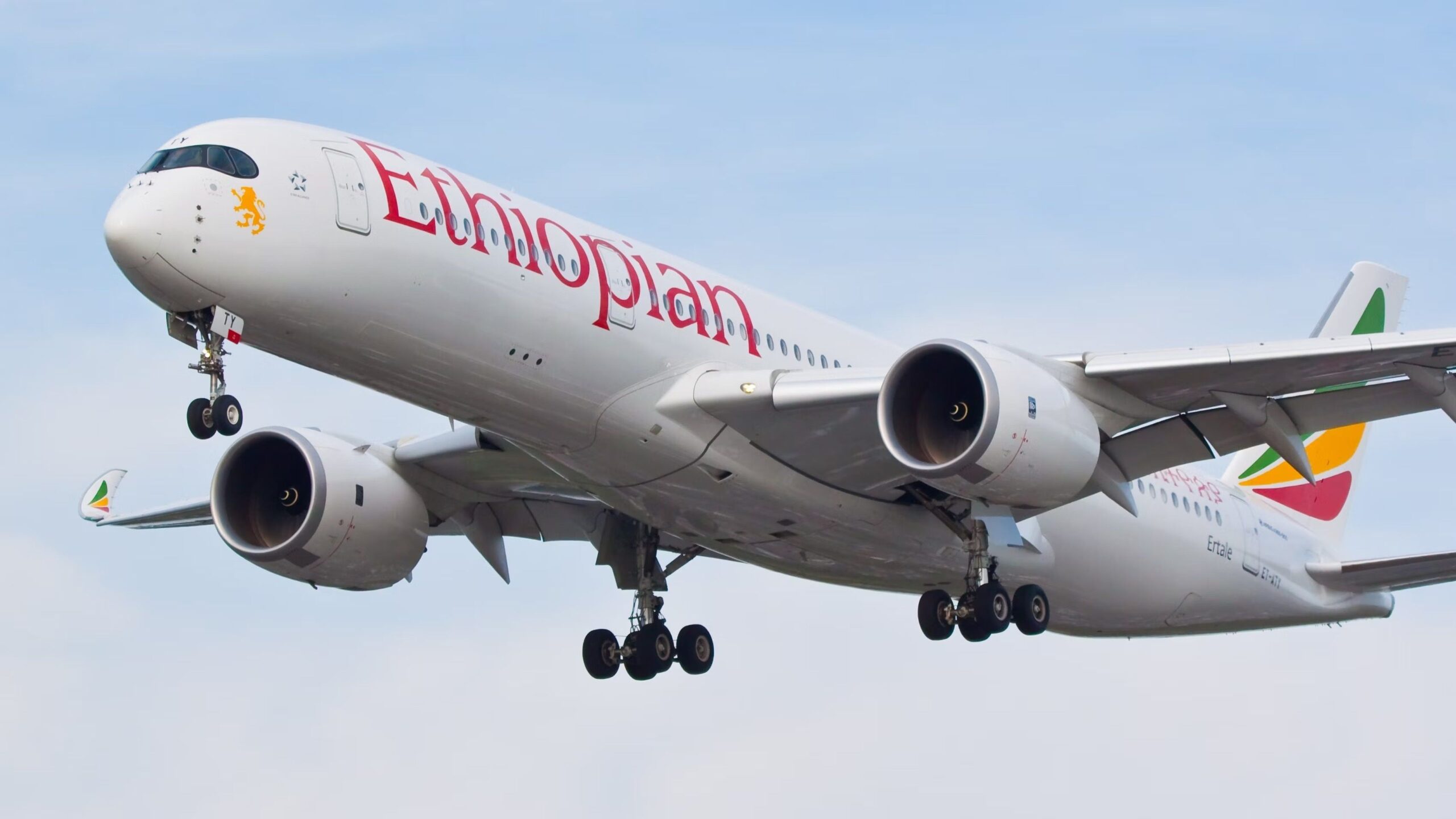
Africa’s largest airline, Ethiopian Airlines, has recorded another year of strong financial performance, posting a 20 per cent increase in revenue to $9.1 billion for the 2025/26 financial year, driven by sustained growth in passenger traffic, cargo operations and fleet expansion.
According to the state-run Ethiopia News Agency on Wednesday, the airline generated $9.1 billion in revenue during the financial year that ended on July 7, 2026, representing a significant increase from the previous financial year.
The carrier also recorded impressive growth in passenger traffic, transporting 20.7 million travellers during the period. This represents a 10 per cent increase compared with the previous year, reinforcing Ethiopian Airlines’ position as Africa’s largest and one of the continent’s fastest-growing airlines.
The airline’s cargo business also maintained strong momentum, with freight volumes increasing by 16 per cent year-on-year to 897,000 metric tonnes.
The growth further underscores the strategic importance of Ethiopian Airlines’ cargo operations, which have become a key contributor to its expanding global business.
The latest figures come as the airline continues to strengthen its fleet and expand its route network in response to growing demand across Africa and international markets.
During the financial year, Ethiopian Airlines added nine aircraft to its fleet, taking another step towards modernising its operations and increasing capacity. The airline currently operates a fleet of more than 150 aircraft, making it one of the largest and most modern fleets on the African continent.
As part of its long-term expansion strategy, the airline announced in April that it would acquire six additional Boeing 787-9 Dreamliner aircraft to enhance its long-haul operations.
The fuel-efficient wide-body aircraft are expected to support the airline’s ambition of expanding services to more intercontinental destinations while improving operational efficiency.
In another major fleet development, Ethiopian Airlines disclosed in June that it would decide within three months on an order for 25 smaller commercial aircraft.
The proposed acquisition is aimed at strengthening domestic and regional connectivity by expanding its local network and improving access to underserved destinations.
Beyond fleet growth, the airline has also invested in infrastructure development. According to the Ethiopia News Agency, Ethiopian Airlines expanded facilities at Addis Ababa Bole International Airport, its main hub, to support increasing passenger numbers and improve operational efficiency.
Despite the impressive revenue growth, the state-owned airline did not disclose its profit for the financial year.
However, the news agency reported that the company’s financial performance was impacted by external challenges, including flight cancellations resulting from the conflict in the Middle East as well as the Ebola outbreak in the Democratic Republic of Congo. These disruptions affected operations on some routes, although they did not prevent the airline from delivering strong growth in revenue and traffic.
Ethiopian Airlines has continued to strengthen its position as Africa’s leading aviation group through sustained investment in fleet modernisation, route expansion, cargo development and airport infrastructure, enabling it to maintain steady growth despite global operational challenges.