
dLocal, Western Union Extend Remittance Partnership to Africa, Target Nigeria

Global payments technology company dLocal and international money transfer operator Western Union have expanded their partnership to include remittance payouts in Africa, with Cameroon becoming the first market under the new arrangement and Nigeria among the countries being considered for future expansion.
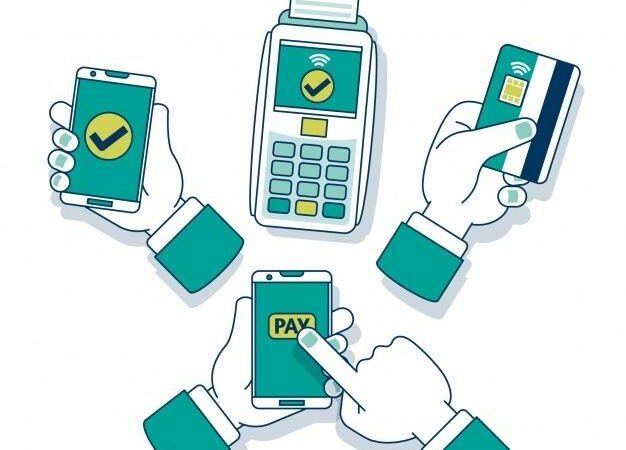
The expanded collaboration is expected to improve the delivery of money transfers to recipients by connecting Western Union’s international remittance network with local payment systems, including digital wallets and bank transfers.
The companies announced the development on October 15, 2026, explaining that the agreement would build on their existing partnership in collections by extending their cooperation to cover the disbursement of funds to recipients.
Under the arrangement, dLocal will provide the technology infrastructure and connectivity required to facilitate transactions, while regulated local partners, including mobile network operators and financial institutions, will handle the relevant payment and payout services in line with local regulatory requirements.
Cameroon will be the first market to implement the expanded service, allowing eligible recipients to receive international remittances directly into supported local digital wallets through participating payout partners.
The companies said the initiative was designed to address difficulties associated with fragmented payment systems in emerging markets, where receiving money from abroad can be complicated by limited payment options and inconsistencies in the availability of reliable payout channels.
By integrating collections and payouts into a more connected arrangement, the partnership seeks to provide a smoother experience for customers sending and receiving money across borders.
Collections refer to the process of receiving payments into a system, while payouts involve transferring funds to the intended beneficiaries. Although both are essential components of remittance transactions, the companies said they had traditionally been treated as separate operational challenges.
The expanded partnership is intended to bridge that gap, enabling Western Union to work with a single technology partner across both stages of the transaction in supported markets.
Mohamed Touhami El Ouazzani, Regional Vice-President and Head of Africa at Western Union, said the company’s priority was to ensure customers could access their money reliably, regardless of their location.
“At Western Union, our priority is always to ensure that our customers get their money reliably, seamlessly, wherever they may be,” he said.
He added that extending the company’s collaboration with dLocal to payouts would help maintain the reliability of its services beyond the point at which a transfer was initiated.
“Extending our work with dLocal into payouts means we can offer that same reliability on the disbursement side too, starting in markets like Cameroon,” El Ouazzani said.
Agustin Botta, Head of Europe, the Middle East and Africa at dLocal, said the partnership was intended to make international money transfers more consistent by addressing challenges at both ends of the transaction.
“Collections and payouts have always been treated as two separate problems,” he said. “Half a remittance solved is still half a problem. With Western Union, we’re working together to close that gap, building a more consistent path from send to receipt.”
The companies said the initiative would support the continued development of digital remittance corridors across emerging markets, where consumers increasingly expect to receive money through familiar payment channels without unnecessary delays or complications.
Nigeria is among the African markets being considered for the next phase of the expansion. The companies are exploring the possibility of introducing payout services through bank transfers and digital wallets, although they have not announced a commencement date or provided details of the prospective local partners.
A potential Nigerian rollout could extend the available options for beneficiaries receiving money from relatives, friends and business associates abroad.
However, the implementation would depend on the companies’ expansion plans, the availability of suitable payment partners and compliance with applicable regulatory requirements.
The proposed expansion comes against the backdrop of significant remittance flows into Sub-Saharan Africa, where money sent by citizens living and working abroad remains an important source of financial support for households and communities.
The World Bank estimated that remittances to the region reached approximately $57 billion in 2024, underlining the importance of cross-border transfers to household consumption and economic activity.
For many recipients, remittances help finance essential expenditure, including food, education, healthcare, housing and small business activities. The efficiency with which these funds can be delivered and accessed is therefore an important consideration in the development of payment services across the region.
However, access to remittance funds can vary considerably between markets, depending on the availability of banking services, digital wallets and other payment infrastructure. Integrating international money transfer platforms with local financial networks can help expand the channels through which beneficiaries receive their money.
The partnership also reflects the growing role of digital financial services in emerging markets, where consumers and businesses are increasingly relying on electronic payment methods for everyday transactions.
dLocal operates a payments platform that connects international businesses with consumers across Latin America, Africa, Asia and the Middle East. Its services enable companies to accept payments, make payouts and settle funds across multiple markets through a single technology platform.
Western Union, meanwhile, provides cross-border and cross-currency money transfer services through a global network spanning more than 200 countries and territories, supporting transactions in over 130 currencies. Its network connects customers with bank accounts, digital wallets, payment cards and physical collection locations.
The expanded partnership combines Western Union’s international money movement capabilities with dLocal’s technology and local market connectivity, while relying on regulated local institutions to execute the relevant payout services.
Both companies are looking beyond Cameroon as they explore opportunities to extend the arrangement to additional African markets and other emerging economies.
Although Nigeria remains a potential destination for the next phase, the companies have yet to confirm when the service might become available or which payment channels would be supported at launch.
The initial rollout in Cameroon will therefore serve as the first step in their broader effort to establish a more integrated remittance process, linking the transfer of funds from senders to their final delivery to recipients.