

Mobile Banking Simplifies Everyday Transactions for Nigerians
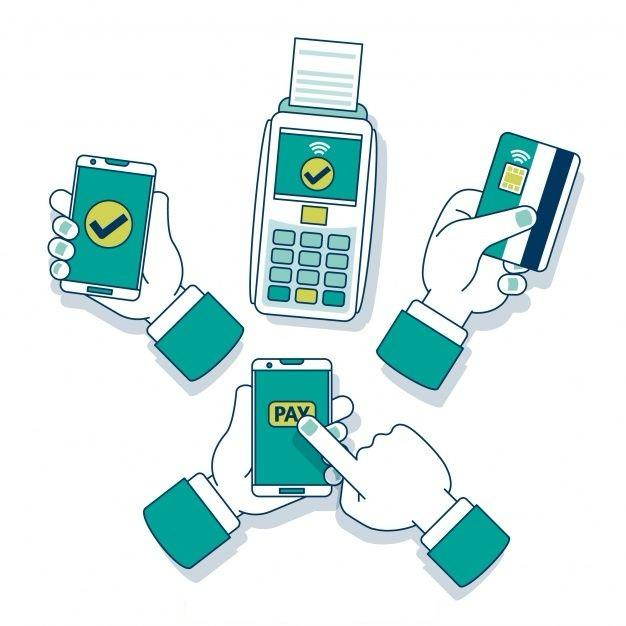
Mobile banking is transforming how Nigerians manage their finances, pay bills and carry out routine transactions, enabling customers to access essential banking services without visiting physical branches.
With the growing adoption of digital financial services, banking applications are increasingly helping individuals and businesses save time, reduce the inconvenience associated with branch visits and manage their financial obligations more efficiently.
The Fidelity Mobile App, developed by Fidelity Bank Plc, offers customers access to a range of banking services, including money transfers, airtime purchases, bill payments, balance enquiries, mini statements, debit card requests and selected cross-border payments.
Beyond providing access to banking services through smartphones, the application is designed to help customers complete routine financial transactions while attending to their businesses, work, family responsibilities and other daily activities.
For many bank customers, visiting a branch can involve navigating traffic, spending time in queues and rearranging personal or professional schedules.
Business owners, for instance, may have to leave their shops during busy trading periods, while employees may sacrifice working hours or lunch breaks to complete simple banking transactions.
Although physical branches remain important for financial advice, documentation and complex banking needs, the availability of digital alternatives has made it possible to complete many routine transactions remotely.
Through mobile banking, customers can initiate payments, check their account balances and review transaction histories without necessarily interrupting their daily activities.
Making everyday financial transactions easier
Financial obligations frequently arise without notice. A supplier may demand payment, a relative may need urgent financial assistance, or a household electricity bill may become due unexpectedly.
Similarly, customers may need to purchase airtime, confirm whether a transfer has been received or check their available balances before making purchases.
The Fidelity Mobile App provides access to services that enable customers to address many of these needs through their mobile devices.
Customers can initiate money transfers, review beneficiary details before authorising payments, purchase airtime, settle supported bills and examine recent transactions through the mini statement feature.
These services can help reduce the time spent completing routine financial activities while allowing customers to make decisions based on information about their accounts.
For example, a customer preparing to make a purchase can check the available balance before committing to the transaction. A business owner can transfer money to a supplier after receiving an invoice, while another customer can review recent transactions to confirm a payment or investigate an unfamiliar debit.
The application also supports debit card requests for eligible customers, allowing them to select an applicable account and available card option, provide delivery information and proceed in accordance with the bank’s issuance and delivery requirements.
This provides customers with an opportunity to begin the card request process digitally rather than making an initial visit to a branch.
Expanding the use of mobile banking beyond transfers
Despite the growing adoption of mobile banking, some customers continue to use banking applications primarily for money transfers, overlooking other services that could help them manage their finances more conveniently.
Expanding awareness of these features could encourage customers to take greater advantage of digital banking platforms.
For instance, customers who regularly transfer money can also use the application to pay supported bills, monitor account activity and initiate other eligible transactions.
Regularly reviewing account statements can also help customers identify unfamiliar transactions earlier, while customers preparing for trips or other financial commitments may be able to begin debit card requests through the application.
Small business owners and individuals with financial obligations across African markets may also benefit from eligible cross-border payment services available through the platform.
The Fidelity Mobile App provides access to the Pan African Payment and Settlement System (PAPSS) for eligible customers.
The system facilitates supported cross-border payments initiated in Nigerian naira, with beneficiaries receiving the applicable local currency in their respective countries.
The service can support eligible business transactions, education-related payments and family support across available African payment corridors, subject to applicable requirements, charges and transaction terms.
The availability of these services broadens the potential uses of mobile banking beyond domestic transfers, providing customers with access to several financial services within a familiar digital environment.
Security remains critical to digital banking
While convenience and speed are important considerations in mobile banking, protecting customers’ accounts and personal information remains essential.
Customers are advised to download or update the Fidelity Mobile App only through official application stores and to protect their login credentials and other sensitive banking information.
Personal identification numbers and one-time passwords should never be disclosed to other people, including individuals claiming to represent a financial institution.
Customers should also verify beneficiary names and transaction amounts before authorising transfers. For bill payments, relevant customer references and payment details should be checked to minimise the risk of errors.
Regularly reviewing account activity and promptly reporting unfamiliar transactions can further help customers respond to potential security concerns.
These precautions reinforce the importance of combining the convenience of digital banking with responsible financial practices.
Although mobile applications can reduce the effort required to complete transactions, customers must remain attentive when entering information and approving payments.
Giving customers greater flexibility in banking
Mobile banking is not intended to eliminate the need for physical branches or other banking channels. Rather, it provides customers with additional options for accessing financial services.
A branch visit may be necessary for certain transactions, while a relationship manager may be better suited to providing specialised financial guidance.
Unstructured Supplementary Service Data (USSD) banking can also be useful when customers have limited internet access, while mobile applications offer a convenient option for many routine transactions.
The ability to choose an appropriate channel allows customers to manage their banking needs according to their circumstances.
For Fidelity Bank, integrating digital services with its physical banking channels presents an opportunity to improve customer access and make banking more responsive to everyday needs.
Ultimately, the value of mobile banking extends beyond the number of transactions completed through an application. It also lies in the time and effort customers can save when they no longer need to visit a branch for every routine banking requirement.
A business owner can pay a supplier without leaving the shop, an employee can purchase airtime without interrupting an important task, and a customer can check an account balance before making a financial commitment.
Similarly, eligible customers can begin debit card requests digitally or initiate supported cross-border payments without having to manage every transaction through traditional channels.
As digital banking continues to evolve, the ability to complete essential financial activities conveniently, securely and efficiently is becoming an increasingly important part of the customer experience.
For customers, even a transaction that takes only a few minutes can make a meaningful difference when it eliminates unnecessary travel, reduces disruptions and leaves more time for work, business and family responsibilities.