
Customs Tests Advanced Cargo Scanners in China Ahead of Nigeria Deployment
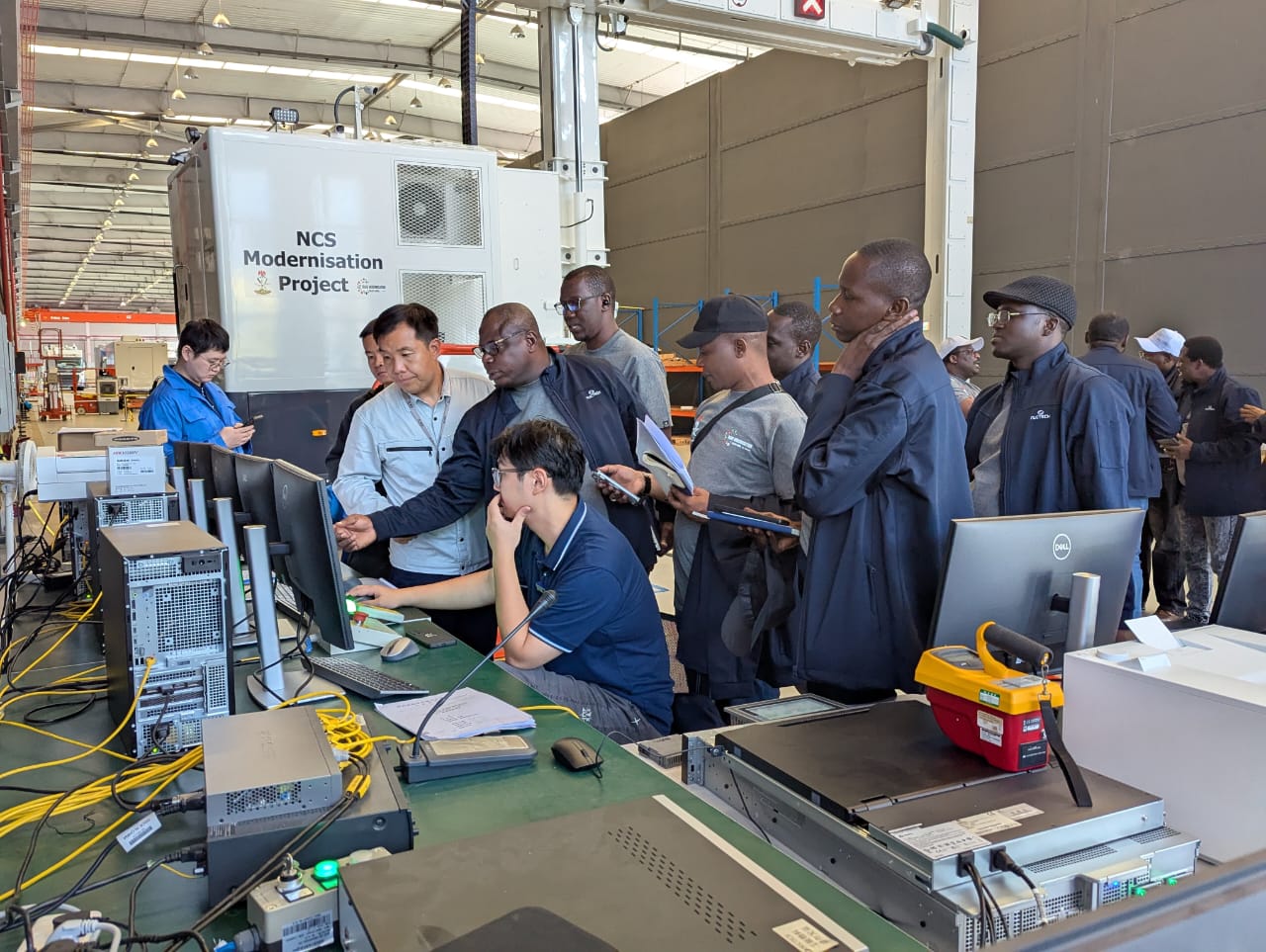
The Nigeria Customs Service (NCS) and Trade Modernisation Project Limited (TMPL) have completed factory acceptance tests on newly acquired advanced cargo scanning equipment and an Electronic Cargo Tracking System (ECTS) in China ahead of their deployment in Nigeria.
The two-week exercise, which took place from 9 to 20 October 2026 at the facility of Nuctech Company Limited, the Chinese manufacturer of the equipment, was aimed at verifying the technical performance, quality and compliance of the systems with contractual specifications and international operational standards before their shipment to Nigeria.
The equipment, comprising Non-Intrusive Inspection (NII) scanners and an Electronic Cargo Tracking System, is designed to work together to strengthen cargo examination, improve real-time monitoring of consignments and enhance the Nigeria Customs Service’s capacity to detect concealed and prohibited goods.
The delegation was led by the Deputy Comptroller-General of Customs in charge of the Information Communication and Technology/Modernisation Department, Oluyomi Adebakin. It included technical experts from the Customs Service and TMPL, who conducted comprehensive assessments of the equipment during the factory acceptance test (FAT).
The initiative forms part of the ongoing modernisation of Customs operations, with the new technology expected to improve trade facilitation, enhance revenue collection, strengthen border security and reduce delays associated with cargo clearance.
Speaking during the exercise, Adebakin reaffirmed the commitment of the Comptroller-General of Customs, Adewale Adeniyi, to deploying technology to improve operational efficiency and support legitimate trade.
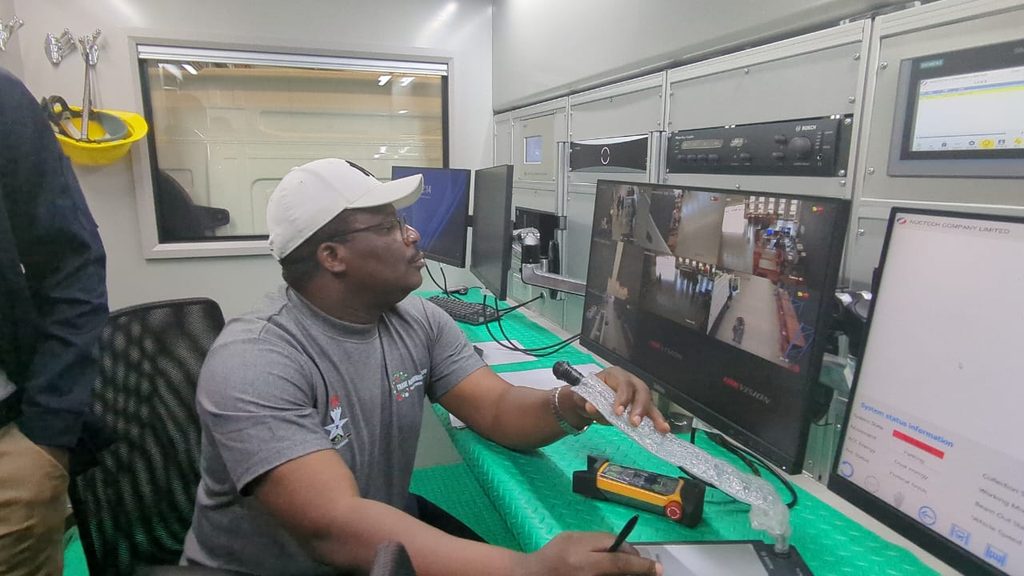
She described the factory acceptance test as an important quality-assurance process to establish that the equipment meets the required technical and operational standards before it is delivered to Nigeria.
According to her, the Customs Service intends to deploy technology capable of accelerating cargo examination, reducing the time goods spend at ports and strengthening the detection of concealed items and prohibited imports.
“The Nigeria Customs Service, under the leadership of CGC Adeniyi, is committed to ensuring that we deploy only cutting-edge, fit-for-purpose technology that will fast-track cargo examination, reduce dwell time, and enhance our ability to detect concealments and prohibited items, improve revenue generation, as well as facilitate legitimate trade,” Adebakin said.
She added that the adoption of advanced inspection and tracking systems was central to the Service’s efforts to improve the efficiency and effectiveness of its operations.
The new equipment is expected to strengthen Customs’ ability to monitor cargo movements, identify potential irregularities and ensure that consignments are examined more efficiently without unnecessarily disrupting legitimate commercial activities.
Also speaking, the Acting Comptroller of Non-Intrusive Inspection, Deputy Comptroller of Customs Umar Madugu, said the deployment of the scanners and electronic tracking system would reduce the Service’s reliance on physical cargo examinations.
According to Madugu, the technology is expected to reduce the need for 100 per cent physical examination of consignments, minimise human contact during inspection, curb cargo diversion and improve operational efficiency across Customs formations.
Non-intrusive inspection technology allows Customs officers to examine the contents of containers and other cargo without necessarily opening them.
By providing images of cargo contents, the scanners can help officers identify suspicious items and determine which consignments require further physical examination.
The approach is expected to support a more targeted inspection process, allowing officers to concentrate their attention on shipments considered to present greater risks while facilitating the faster clearance of compliant consignments.
The integration of the scanners with the Electronic Cargo Tracking System is also expected to strengthen cargo monitoring beyond the point of inspection.
The tracking system is designed to support the monitoring of cargo movements from ports to designated destinations, helping Customs authorities identify unauthorised diversions and improve oversight of goods moving through the supply chain.
Speaking on behalf of TMPL, the company’s General Manager, Bamidele Chinedu, described the successful completion of the factory acceptance test as a significant milestone in the implementation of the Trade Modernisation Project.
He said the integration of non-intrusive inspection scanners with the electronic tracking system was central to the project’s objective of establishing a transparent, technology-driven Customs administration.
The collaboration between the Nigeria Customs Service and TMPL is intended to support the modernisation of Customs procedures through technology, improved cargo management and more efficient processing of trade transactions.
Chinedu’s remarks underscored the importance of integrating inspection and tracking capabilities rather than relying on separate systems to manage different stages of cargo movement.
With the two technologies working together, Customs officers are expected to have better tools for examining consignments, monitoring their movement and identifying possible breaches of established procedures.
Meanwhile, Niu Chao, Project Manager at Nuctech Company Limited, reaffirmed the company’s commitment to supplying world-class equipment and providing the technical support required for its effective operation in Nigeria.
He also pledged the company’s support for capacity building, maintenance and after-sales services to ensure the sustainability of the technology following deployment.
The provision of technical support and maintenance services is expected to be important to the long-term effectiveness of the equipment, particularly as the scanners and tracking systems become integrated into routine Customs operations.
As part of the factory acceptance exercise, technical experts from both the NCS and TMPL received training on the handling, operation and maintenance of the new scanners and electronic tracking system.
The training was designed to prepare personnel for the installation and operation of the equipment in Nigeria, while building local capacity to maintain the systems and address operational requirements after deployment.
The emphasis on training and maintenance is also intended to reduce the risk of operational interruptions and ensure that Customs personnel can make effective use of the equipment once it becomes operational.
The completion of the factory acceptance test marks an important stage in the process of introducing the new technology, although its practical impact will depend on successful delivery, installation, integration and sustained operation within Nigeria’s Customs network.
Beyond the acquisition of the equipment, the effectiveness of the initiative will be measured by its ability to reduce cargo clearance delays, improve compliance, limit opportunities for cargo diversion, strengthen revenue assurance and enhance the detection of prohibited goods.
For importers, exporters and other stakeholders in the logistics chain, faster and more predictable cargo clearance could help reduce the time and costs associated with moving goods through Nigerian ports.
For the government, improved inspection and tracking capabilities could strengthen oversight of international trade and help address revenue leakages associated with under-declaration, concealment and other forms of non-compliance.
However, the extent to which the technology delivers these benefits will depend on how effectively it is integrated into existing Customs procedures, the availability of trained personnel, reliable maintenance arrangements and the consistent use of risk-based inspection practices.
The Nigeria Customs Service and TMPL are expected to move towards the next stages of deployment following the successful completion of the factory acceptance tests, with the new systems intended to support a more efficient, transparent and technology-driven Customs administration.