
Customs, WCO Launch Four-Week Mission to Combat Money Laundering, Terrorism Financing
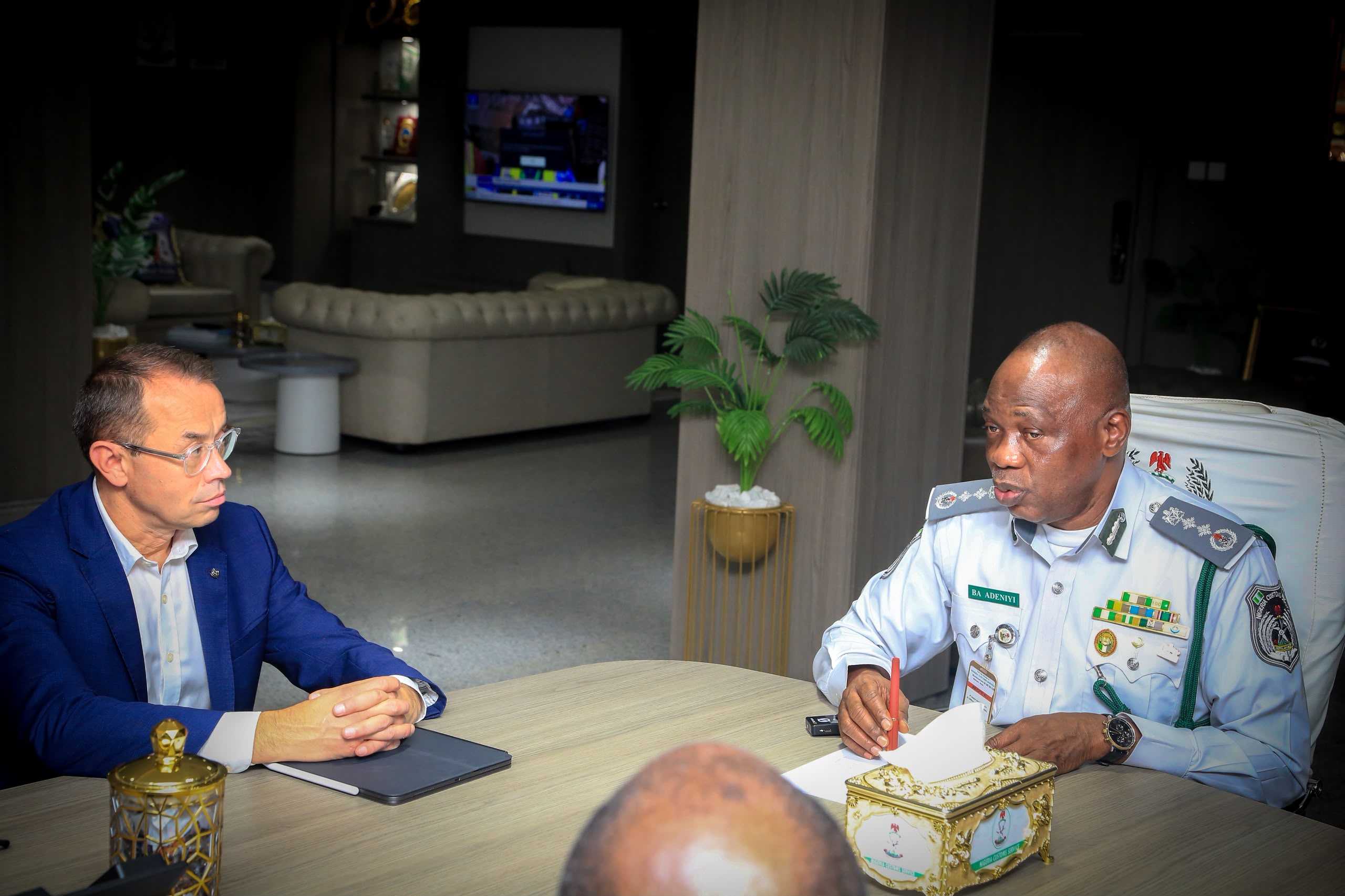
The Nigeria Customs Service (NCS) has inaugurated a four-week mentoring mission organised by the World Customs Organisation (WCO) to strengthen its capacity to detect and disrupt illicit financial flows, money laundering and the financing of terrorism across Nigeria’s borders.
The initiative, funded by the United States Department of State, is designed to enhance the expertise of Customs officers in identifying suspicious financial transactions, tackling cross-border financial crimes and improving collaboration with relevant law enforcement and regulatory agencies.
The Anti-Money Laundering and Countering the Financing of Terrorism (AML/CFT) Mentoring Mission was inaugurated at the NCS Headquarters in Maitama, Abuja, on Monday, 19 October 2026.
Operating under the theme, “Strengthening Nigeria Customs Service Capabilities to Effectively Detect and Disrupt Illicit Financial Flows,” the programme is scheduled to run from 18 October to 13 November 2026.
During the four-week engagement, the WCO delegation will visit selected Customs formations in Lagos and interact with key partner agencies involved in combating financial crimes.
The programme will also feature capacity-building sessions for Customs officers in Lagos and Abuja, with emphasis on strengthening institutional knowledge, improving operational effectiveness and equipping personnel with the skills required to identify and respond to illicit financial activities.
Speaking at the inauguration, the Comptroller-General of Customs, Adewale Adeniyi, underscored the importance of cooperation among government institutions in tackling money laundering and the financing of terrorism.
Adeniyi recalled the reforms implemented by relevant government agencies that contributed to Nigeria’s removal from the Financial Action Task Force (FATF) grey list in 2025, describing the development as an indication of the progress achievable through coordinated institutional efforts.
He, however, stressed that sustaining such progress would require continuous collaboration among the agencies responsible for preventing and combating financial crimes.
According to him, improvements recorded by one institution must be complemented by corresponding progress in other agencies to ensure that the country maintains an effective and coordinated system for addressing illicit financial flows.
The Customs chief noted that the mentoring mission provided an opportunity for officers to learn from the experiences and operational practices of other Customs administrations while identifying areas where the NCS could strengthen its existing capabilities.
He expressed confidence that the officers selected to participate in the exercise would demonstrate the commitment required to make the engagement successful.
“Competent officers who have passion for the job will give you all the cooperation to ensure we learn from other Customs administrations regarding what we are doing and how we can do better,” Adeniyi said.
His remarks highlighted the importance of professional expertise, institutional learning and international cooperation in strengthening the Service’s response to increasingly complex financial crimes.
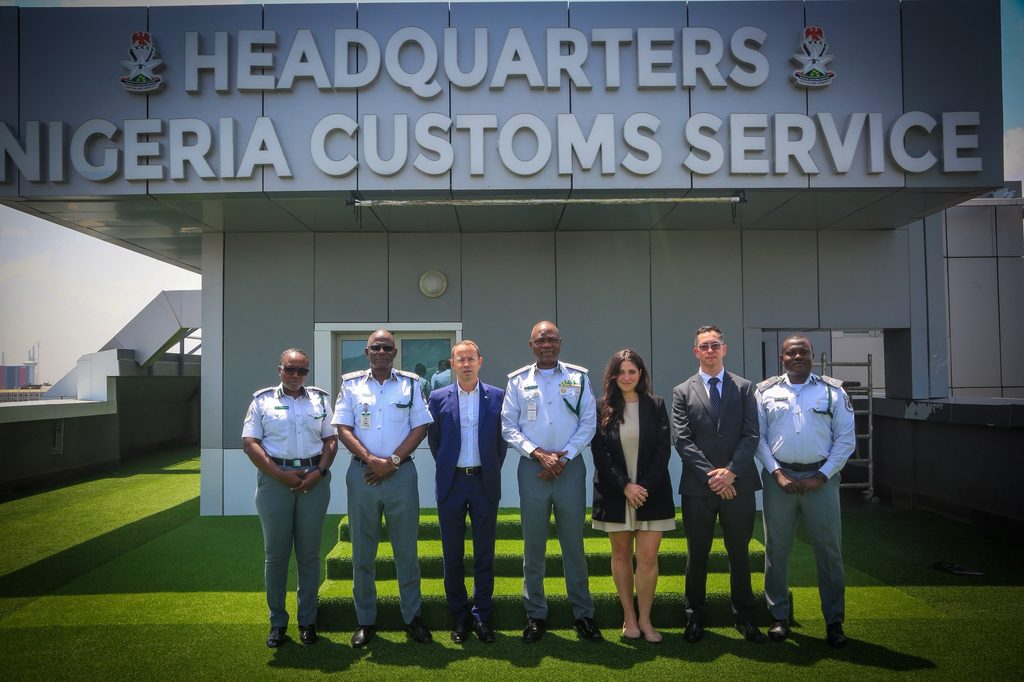
The Assistant Comptroller-General of Customs in charge of Strategic Research and Policy, Nafiu Isiaku, subsequently introduced the WCO delegation, comprising Jorge Lasmar, Lisa Vallese and Laurent Szymkowiak.
Speaking on behalf of the delegation, Lasmar explained that the mission was intended to strengthen the operational capacity of the NCS rather than evaluate its existing Customs operations.
He said the engagement would focus on supporting the Service to improve its ability to identify, investigate and disrupt illicit financial flows through enhanced knowledge, technical guidance and the exchange of international best practices.
“The mission is not an assessment of Customs operations, but an engagement aimed at further strengthening the capacity of the Nigeria Customs Service,” Lasmar said.
He expressed appreciation to the NCS management and Adeniyi for their guidance and cooperation, noting that the success of the exercise would depend on effective engagement with officers and other relevant stakeholders.
Lasmar also assured the Service that the WCO team would submit a comprehensive report at the conclusion of the mission, documenting the outcome of the engagement.
The report is expected to provide a record of the mission’s activities and support the NCS in its efforts to improve its capacity to tackle illicit financial activities.
The initiative comes amid growing international efforts to strengthen financial transparency, prevent the movement of proceeds of crime across borders and disrupt funding channels that support terrorism and other organised criminal activities.
As a key border management agency, the NCS plays an important role in detecting suspicious cross-border movements of money and goods, enforcing relevant laws and cooperating with other agencies to prevent the abuse of international trade channels for criminal purposes.
The mentoring programme is expected to deepen the Service’s technical expertise and strengthen cooperation with domestic and international partners, particularly in detecting financial transactions linked to criminal activities.
By combining specialised training with practical engagements at selected Customs formations and partner agencies, the four-week mission is expected to support the NCS in building a more effective response to money laundering, terrorism financing and other forms of illicit financial flows.
The exercise also reinforces the importance of sustained inter-agency cooperation in protecting Nigeria’s financial system and maintaining progress in meeting international standards for combating financial crimes.