
After-Sales Support: The New Battleground for Nigeria’s Automotive Industry
Nigeria’s automotive industry may be approaching a significant shift in the way vehicle distributors and dealers compete, as the quality of after-sales services increasingly becomes an important factor in determining customer confidence, brand loyalty and long-term business sustainability.
Traditionally, competition in the automotive market has revolved around vehicle prices, design, performance, technology and the introduction of new models. However, the growing financial implications of vehicle ownership are making consumers pay closer attention to what happens after a purchase, particularly the availability of maintenance services, genuine spare parts, warranty protection and technical assistance.
For automotive businesses, this represents an opportunity to redefine their relationship with customers by moving away from a transaction-based model towards a more comprehensive ownership-support system.
The purchase of a vehicle is only the beginning of a relationship that could span several years. During that period, owners will require regular servicing, replacement components, mechanical repairs and, occasionally, emergency assistance. How effectively distributors and dealers respond to these needs could ultimately determine whether customers remain loyal to their brands.
In Nigeria, where the cost of vehicle acquisition and maintenance has become increasingly burdensome for households and businesses, the importance of reliable after-sales support cannot be overstated.
A vehicle may offer impressive specifications and competitive pricing at the point of purchase, but its long-term value depends considerably on how affordable and convenient it is to maintain. The availability of spare parts, the competence of technicians and the accessibility of authorised service centres can make a significant difference to the overall ownership experience.
For businesses operating commercial fleets, the consequences of inadequate maintenance support are even more pronounced. A vehicle grounded for days or weeks because of unavailable parts or delayed repairs can disrupt operations, increase expenditure and undermine productivity.
This is why after-sales service should no longer be treated as an additional benefit offered by automotive companies. It should be regarded as a central component of their business strategy.
One area requiring greater attention is transparency in warranty and servicing arrangements. While vehicle distributors frequently promote attractive warranty packages and maintenance incentives, prospective buyers need sufficient information to understand the actual benefits and limitations of these offers.
Customers should know the duration of warranty coverage, the components protected, the circumstances that could invalidate a claim and the procedures for obtaining repairs. Similarly, free servicing arrangements should clearly identify the services covered, applicable mileage limits and any additional costs that customers may incur.
These details are essential because the value of an after-sales package is determined not by the promise made during a sales campaign but by the support customers actually receive when problems arise.
The need for dependable service delivery also places considerable responsibility on automotive distributors and dealers. Maintaining an effective after-sales network requires investment in modern diagnostic equipment, qualified personnel, adequate spare parts inventories and efficient customer complaint-management systems.
It also requires clear accountability for service commitments. Where companies promise specific repair timelines, customers should be able to understand the conditions attached to those promises and the procedures available when delays occur.
Carloha’s CarlohaCare 6-6-7 programme illustrates an approach to strengthening the ownership proposition through a combination of warranty protection and maintenance support. The programme offers a six-year warranty, six years of free servicing and a seven-day repair promise, subject to applicable terms and conditions.
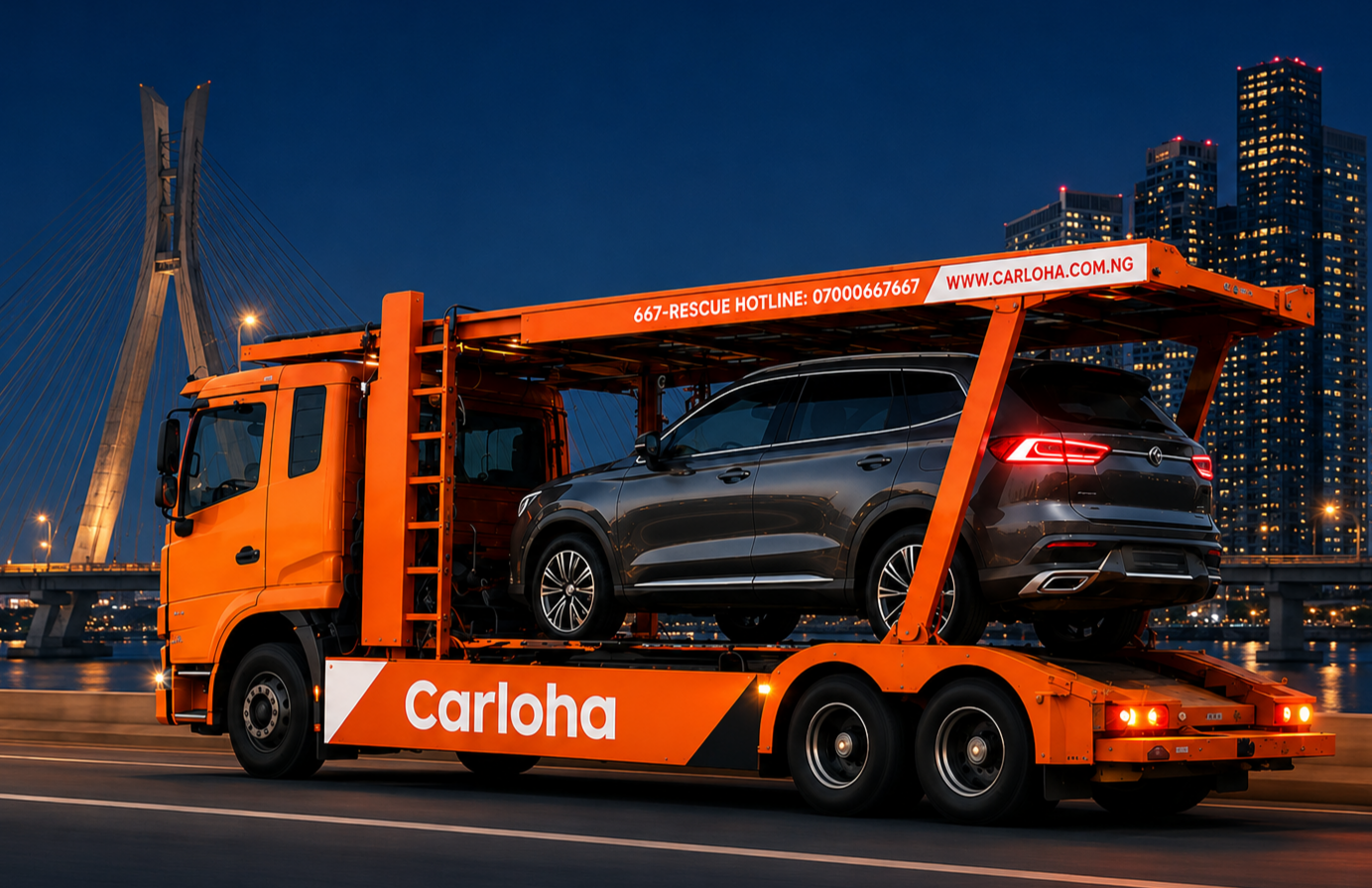
The company’s CarlohaCare Rescue initiative further extends the support proposition through roadside assistance, recognising that vehicle owners may require help beyond the conventional dealership and service-centre environment.
Such initiatives highlight an emerging opportunity for automotive businesses to differentiate themselves through the quality and consistency of their ownership support. Nevertheless, their long-term credibility will depend on effective implementation, transparent conditions and demonstrable customer satisfaction.
The implications extend beyond individual vehicle owners. Nigeria’s corporate fleet operators, logistics companies and other businesses that depend on transportation assets have strong reasons to prioritise after-sales arrangements when procuring vehicles.
A comprehensive procurement assessment should consider the availability of authorised workshops, maintenance costs, spare parts distribution, warranty conditions and the ability of dealers to minimise vehicle downtime.
Similarly, automotive distributors can strengthen their operations by monitoring service-related indicators, including repair turnaround times, parts fulfilment rates, repeat mechanical faults and customer complaint-resolution periods. These measures can help identify weaknesses and improve service delivery.
There is also a role for consumers in encouraging better industry practices. Vehicle buyers should make after-sales support part of their purchasing decisions rather than concentrating exclusively on acquisition costs and vehicle specifications.
Industry associations, meanwhile, can promote transparency and encourage members to adopt more accountable service standards. Automotive journalists have an equally important responsibility to examine warranty claims, investigate customer complaints, assess the availability of spare parts and report on the actual performance of after-sales programmes.
For Nigeria’s automotive industry, the opportunity is to build a market where customer confidence is sustained beyond the showroom. This will require companies to recognise that selling a vehicle creates an obligation to support the customer throughout the ownership journey.
As competition intensifies and new automotive brands seek to establish themselves in the Nigerian market, the strength of their service networks could become just as important as the quality of the vehicles they introduce.
Ultimately, the industry’s success should not be judged solely by sales figures, dealership expansion or the number of new models entering the market. It should also be assessed by how effectively companies maintain the vehicles they sell, resolve customer complaints and provide access to reliable technical support.
The future of automotive competitiveness in Nigeria will depend increasingly on the ability of businesses to combine quality products with dependable ownership experiences.
For consumers, the lesson is clear: buying a vehicle is a major investment, and the support that follows should be an important part of the bargain.
The real test of an automotive brand is not just how well it sells a vehicle, but how well it stands behind that vehicle after the sale.