
Customs Reviews B’Odogwu System, Targets Faster Cargo Clearance, Higher Revenue
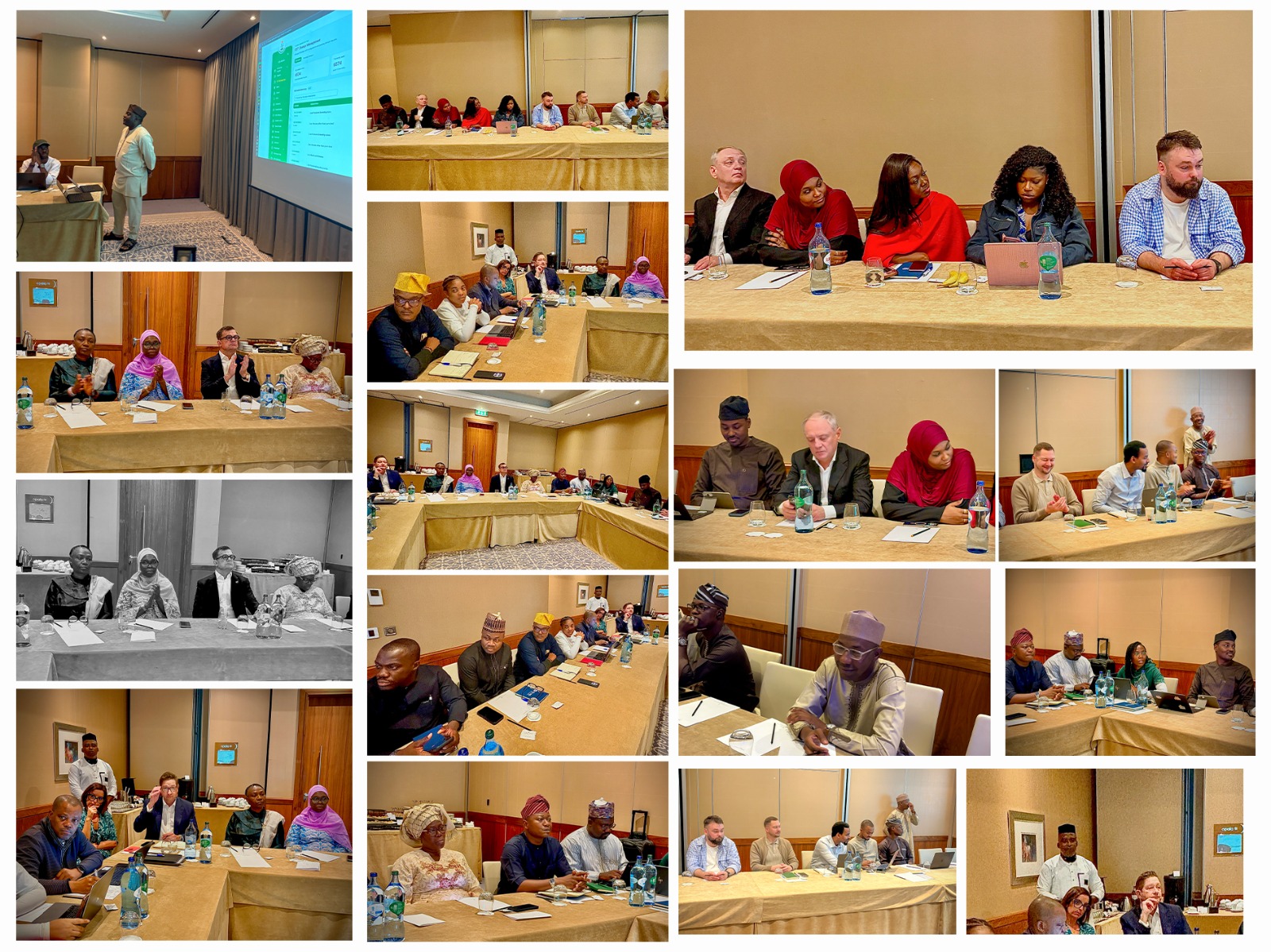
The Nigeria Customs Service (NCS) has concluded a three-day technical and operational review of its B’Odogwu Unified Customs Management System in Lisbon, Portugal, with plans to strengthen cargo tracking, accelerate clearance procedures, improve revenue collection and address operational challenges affecting the platform.
The review, which took place from November 9 to 11, 2026, at the Corinthia Hotel, brought together NCS management and officers, representatives of Trade Modernisation Project Limited (TMPL) and CB-XP to assess the implementation of the digital customs platform and develop strategies for improving its efficiency.
The workshop focused on identifying operational gaps, reviewing the system’s performance and establishing a roadmap for the next phase of its development, following about three years of implementation.
Speaking at the opening ceremony, the Deputy Comptroller-General of Customs in charge of ICT Modernisation, Oluyomi Adebakin, commended the Comptroller-General of Customs, Adewale Adeniyi, for his commitment to innovation, technological advancement and capacity development within the Service.
Adebakin said the review provided an opportunity for stakeholders to assess the progress made so far and identify areas requiring further intervention to ensure that the B’Odogwu system delivers improved operational efficiency.
The Managing Director of TMPL, Jummai Umar-Ajijola, who represented the company’s Chairman, Saleh Ahmadu, said the B’Odogwu platform had continued to attract attention beyond Nigeria, including interest from the Secretariat of the African Continental Free Trade Area (AfCFTA).
She noted that improvements introduced to the system had contributed to increased revenue generation and strengthened the country’s customs revenue ecosystem.
Umar-Ajijola stressed the need for a structured plan to consolidate the achievements recorded since the platform’s introduction while preparing it for further technological and operational improvements.
“We are to work to find a concrete plan not only to consolidate but to build a change roadmap going forward at the assessment of the three years so far,” she said.
She also praised the NCS Public Relations Unit for its consistent communication and reporting on the project’s progress, describing effective information dissemination as important to stakeholder understanding and engagement.
One of the major outcomes of the workshop was the decision to upgrade the Electronic Cargo Tracking System (ECTS) and strengthen its integration with the B’Odogwu platform to improve the monitoring of goods moving through Nigeria’s customs-controlled corridors.
Participants reviewed plans to replace 200 obsolete electronic seals with 2,000 newly procured units as part of efforts to improve cargo visibility and enhance the monitoring of transit operations.
The proposed improvements are expected to strengthen the tracking of individual containers under relevant transit declarations, improve bond registration and validation, and reinforce controls over the movement of bonded cargo to minimise diversion and other irregularities.
The workshop also identified the need to strengthen bond and transit management through improved monitoring mechanisms and more effective validation processes.
In addition, participants agreed on the need to automate approvals for customs procedure codes and improve the processing of import, export, re-importation and transit declarations.
They also examined the harmonisation of procedure code nomenclature to promote uniformity, consistency, accountability and efficiency in customs operations.
The resolutions further covered the integration of B’Odogwu with the Nigeria Export Processing Zones Authority (NEPZA), alongside improvements to the Transire Processing System, which supports the management of goods moving under customs transit arrangements.
Other areas earmarked for improvement included the platform’s reporting dashboard, search filters and Harmonised System (HS) Code search functionality.
Participants also considered measures to provide users with access to previously processed declarations, improve the monitoring of procedure code applications and introduce system alerts to minimise processing errors.
The incorporation of Time Release Study requirements into the platform was equally examined as part of efforts to improve the measurement and monitoring of cargo clearance processes.
A Time Release Study is an internationally recognised mechanism for measuring the time taken to release goods from customs control. Its incorporation into the B’Odogwu system is expected to provide more effective data for identifying delays, addressing bottlenecks and improving the efficiency of cargo clearance.
On operational procedures, the workshop reviewed Standard Operating Procedures (SOPs) for Bond Management, Transire Commands and Export Commands to ensure that the processes align with the provisions of the Nigeria Customs Service Act 2023.
The review was intended to strengthen compliance, clarify operational responsibilities and ensure that the deployment of technology is supported by appropriate administrative and regulatory procedures.
To improve project governance and prevent unauthorised system changes, participants agreed that all requests for modifications to the B’Odogwu platform must undergo review and receive approval from the Officer in Charge of the Project Management Office before deployment.
The workshop also examined the project’s communication plan, with emphasis on improving stakeholder engagement and ensuring that relevant parties are adequately informed about developments and changes to the platform.
At the closing ceremony on November 11, the Deputy Comptroller-General of Customs in charge of Finance, Administration and Technical Services (FATS), Kikelomo Adeola, emphasised the importance of translating the resolutions into practical improvements.
Adeola urged the relevant stakeholders and operational units to ensure that the decisions reached during the workshop were implemented to deliver measurable improvements in the system’s performance.
The closing ceremony also featured a presentation by the Customs Area Controller, Comptroller Murtala Mu’azu, while the Chairman of CB-XP, Edward Bowen, delivered goodwill remarks.
To ensure that the resolutions do not remain recommendations, specific responsibilities were assigned to relevant NCS and TMPL departments and units, with the aim of driving implementation and monitoring progress.
The review represents another phase in the NCS’s efforts to deepen customs automation and modernise trade procedures through the B’Odogwu platform.
With the proposed upgrades covering cargo tracking, transit management, declaration processing, system integration and operational controls, the Service is seeking to improve the efficiency of customs administration while strengthening revenue assurance and facilitating legitimate trade.
The success of the initiative, however, will depend largely on the timely implementation of the agreed measures and the ability of the NCS and its technology partners to translate the identified improvements into a more efficient and reliable customs management system.