

Boeing Begins Advanced Training for Nigerian Airline Engineers, 16 Participants from United Nigeria, ValueJet to Start June 16
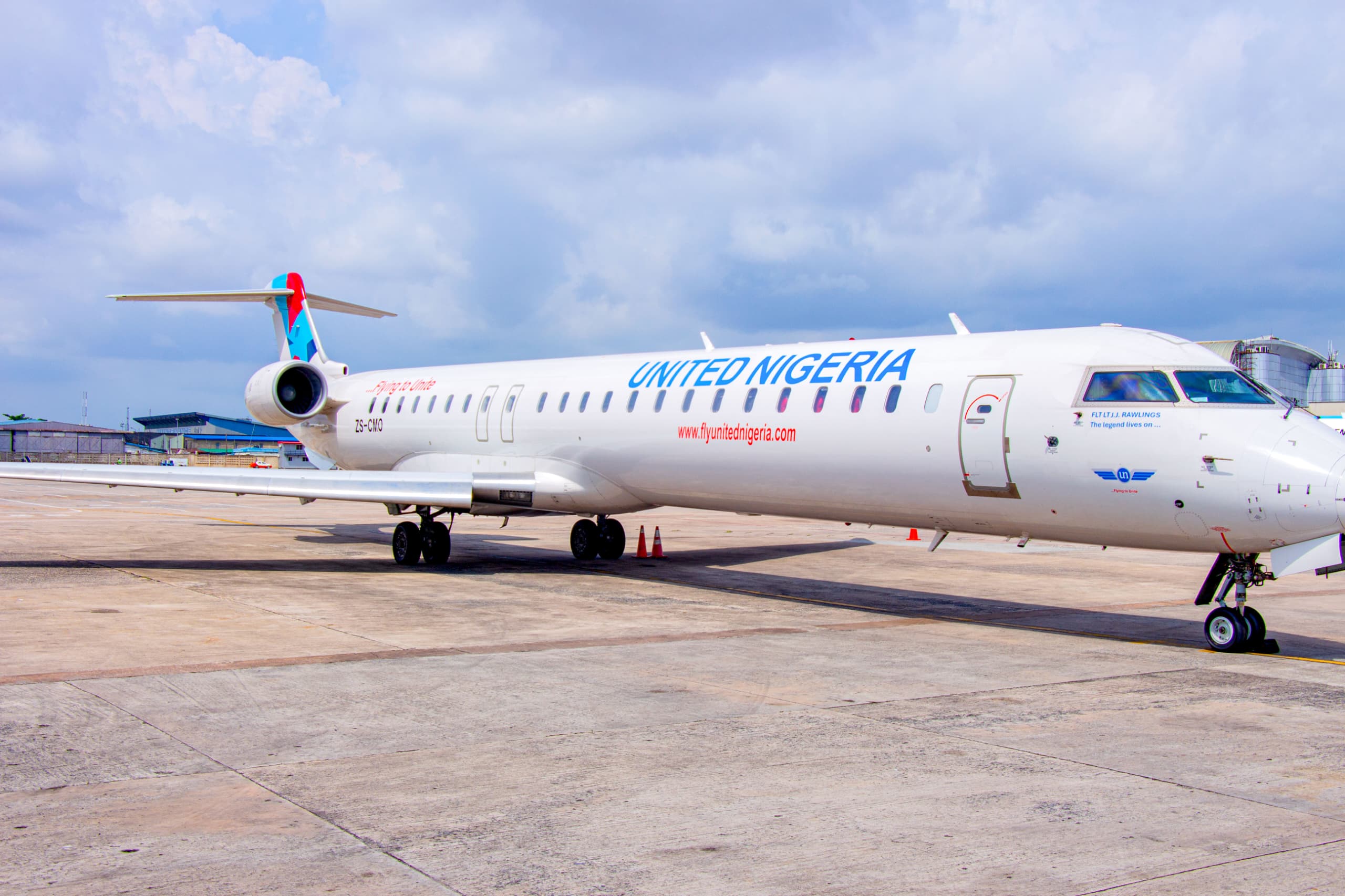
Boeing has launched the first phase of an advanced technical training programme for Nigerian airline engineers, with 16 personnel drawn from United Nigeria Airlines and ValueJet scheduled to begin specialised Boeing 737 Next-Generation (737NG) systems training on June 16 in Lagos.
The initiative, which runs until July 29, forms part of Boeing’s ongoing efforts to bolster aviation safety, enhance operational readiness and develop technical manpower across Africa. A second batch of training is expected to take place later in the year.
According to the aircraft manufacturer, the programme is designed to equip engineers from the two Nigerian carriers with the technical knowledge and skills required to maintain Boeing 737NG aircraft in line with international standards.
Successful participants will receive theoretical training certificates issued under the European Union Aviation Safety Agency (EASA) framework.
The training programme is one of the outcomes of the Memorandum of Understanding signed in 2024 between Boeing and Nigeria’s Federal Ministry of Aviation and Aerospace Development.
The agreement was aimed at strengthening the country’s aviation industry through technical cooperation, workforce development and capacity building.
Under the curriculum, participants will undergo intensive instruction covering the Boeing 737NG’s avionics, airframe, powerplant and electrical systems.
The engineers will also be exposed to aircraft characteristics, system operations, component locations, servicing procedures, indications and testing methods.
In addition, the programme will provide practical knowledge on ramp and transit maintenance procedures intended to improve dispatch reliability for commercial aircraft operations.
Boeing said the training package incorporates critical areas such as safety procedures, human factors and operational best practices.
It is specifically tailored to support engineers seeking qualification under EASA Part 66 regulations for B1 and B2 licensed maintenance personnel.
Speaking on the significance of the initiative, Anbessie Yitbarek stressed the importance of investing in technical expertise and safety leadership to ensure the long-term sustainability of aviation on the continent.
He noted that Nigeria remains one of Africa’s most strategic aviation markets and reaffirmed Boeing’s commitment to supporting the growth of indigenous engineering capacity.
“Investing in technical capability and safety leadership is essential to supporting the long-term and sustainable growth and resilience of Africa’s aviation sector. Nigeria is one of Africa’s most important aviation markets and Boeing is proud to support the development of highly skilled local engineering talent that will help strengthen operational reliability and safety standards across the region,” Yitbarek said.
Industry observers view the programme as a significant boost to Nigeria’s drive to strengthen local technical expertise and reduce dependence on foreign maintenance capabilities.
The initiative is also expected to contribute to improved safety standards and operational efficiency among domestic airlines operating Boeing aircraft.
With United Nigeria Airlines and ValueJet among the beneficiaries of the first phase, the programme underscores growing collaboration between global aircraft manufacturers and Nigeria’s aviation authorities in efforts to build a sustainable and internationally competitive aviation sector.