
Chimamanda Adichie Accuses Euracare of Obstructing Inquest Into Son’s Death, Vows to Continue Quest for Justice
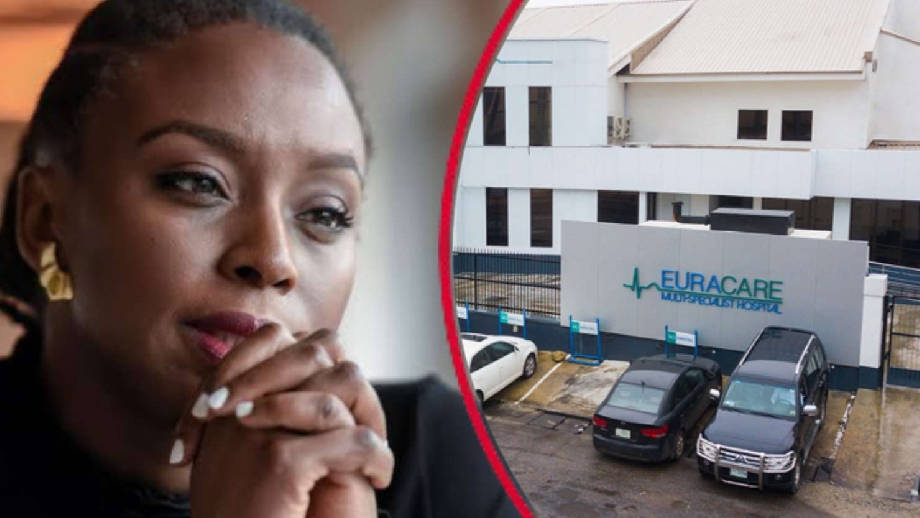
Renowned Nigerian author Chimamanda Ngozi Adichie has accused Euracare Multi-Specialist Hospital in Lagos of frustrating efforts to uncover the circumstances surrounding the death of her 21-month-old son, Nkanu Nnamdi Esege, and attempting to halt the coroner’s inquest into the tragedy.
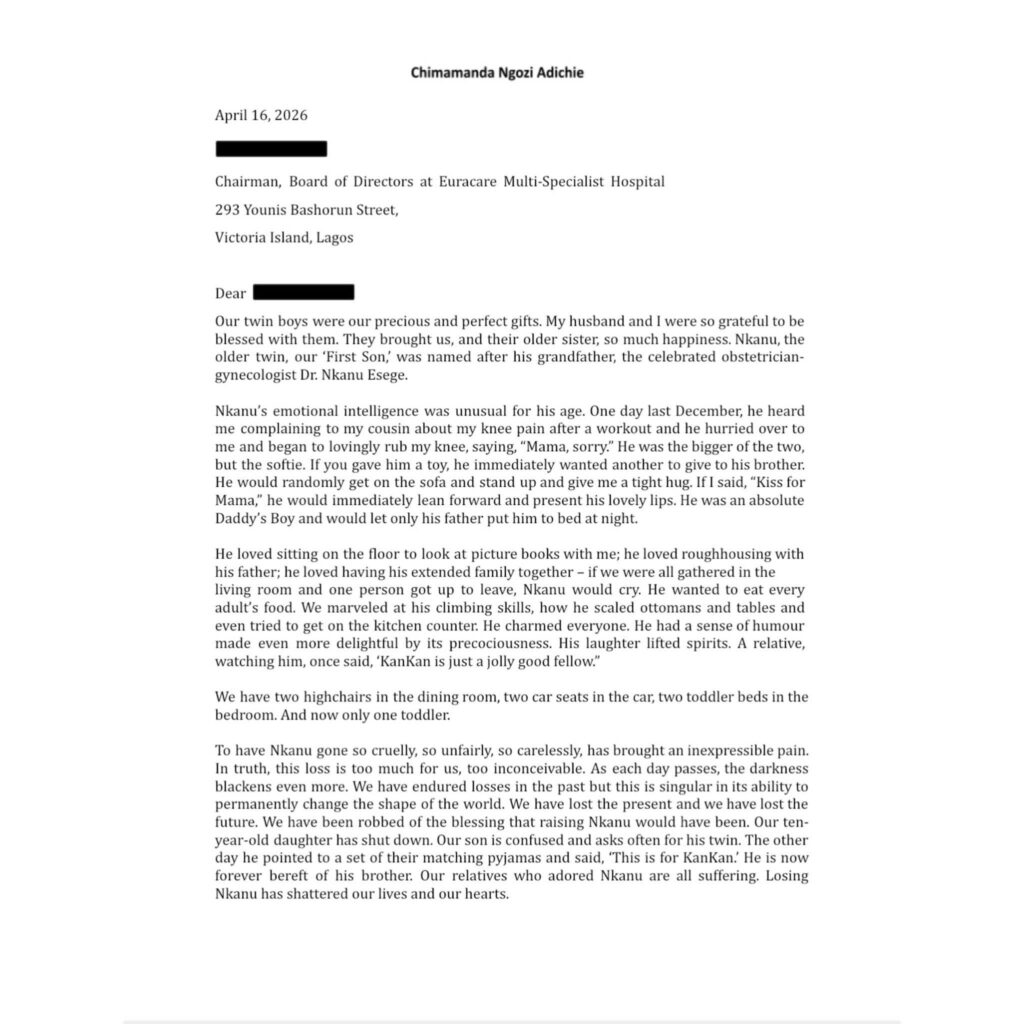
In an emotional public statement posted on her Facebook page, Adichie said the grief of losing her son remains overwhelming and alleged that the hospital had deprived her family of “peace to mourn.”
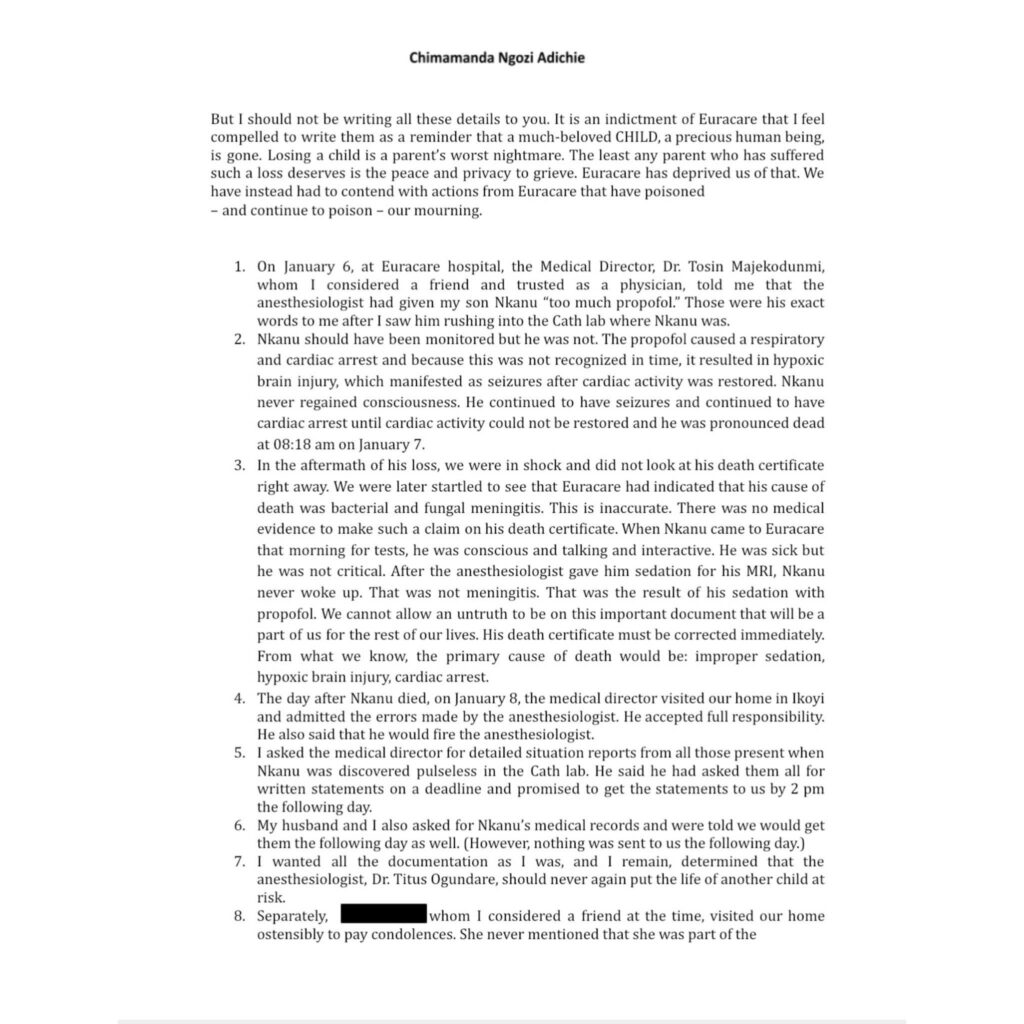
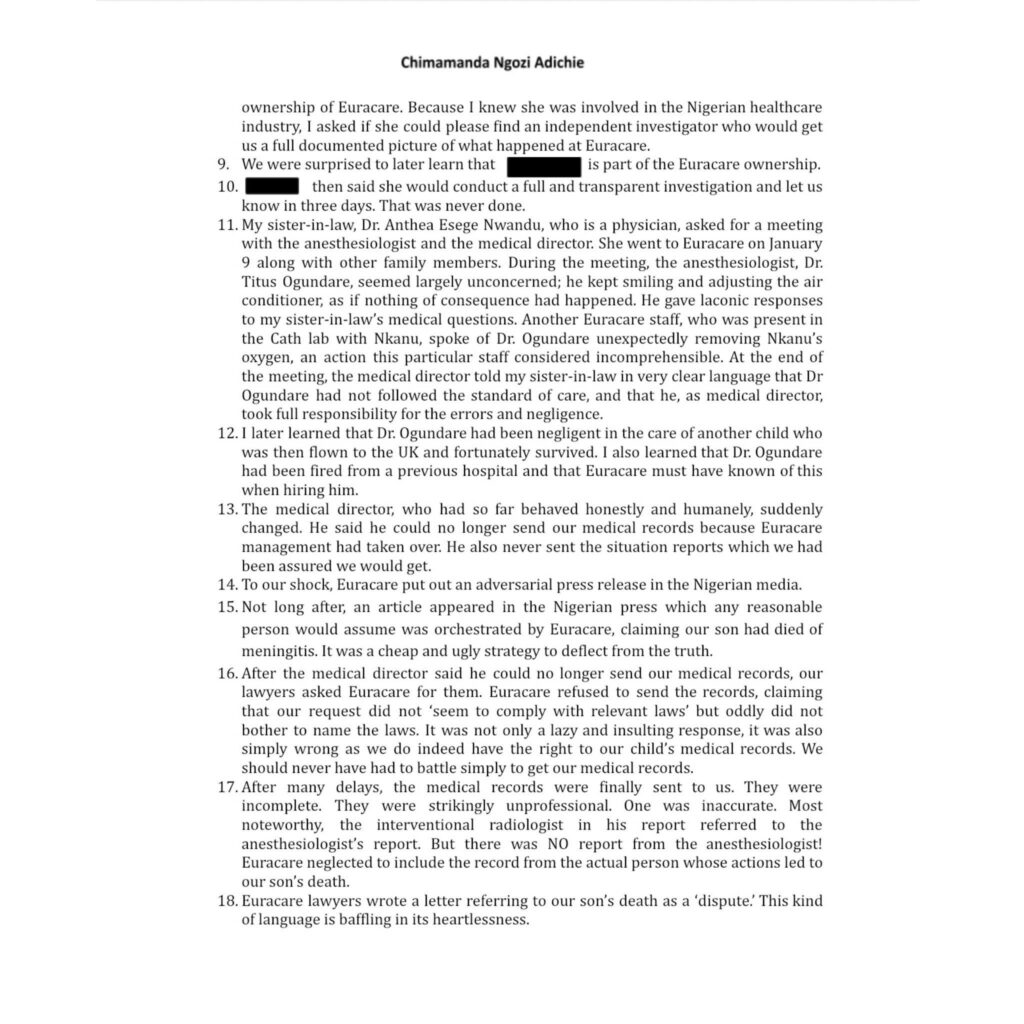
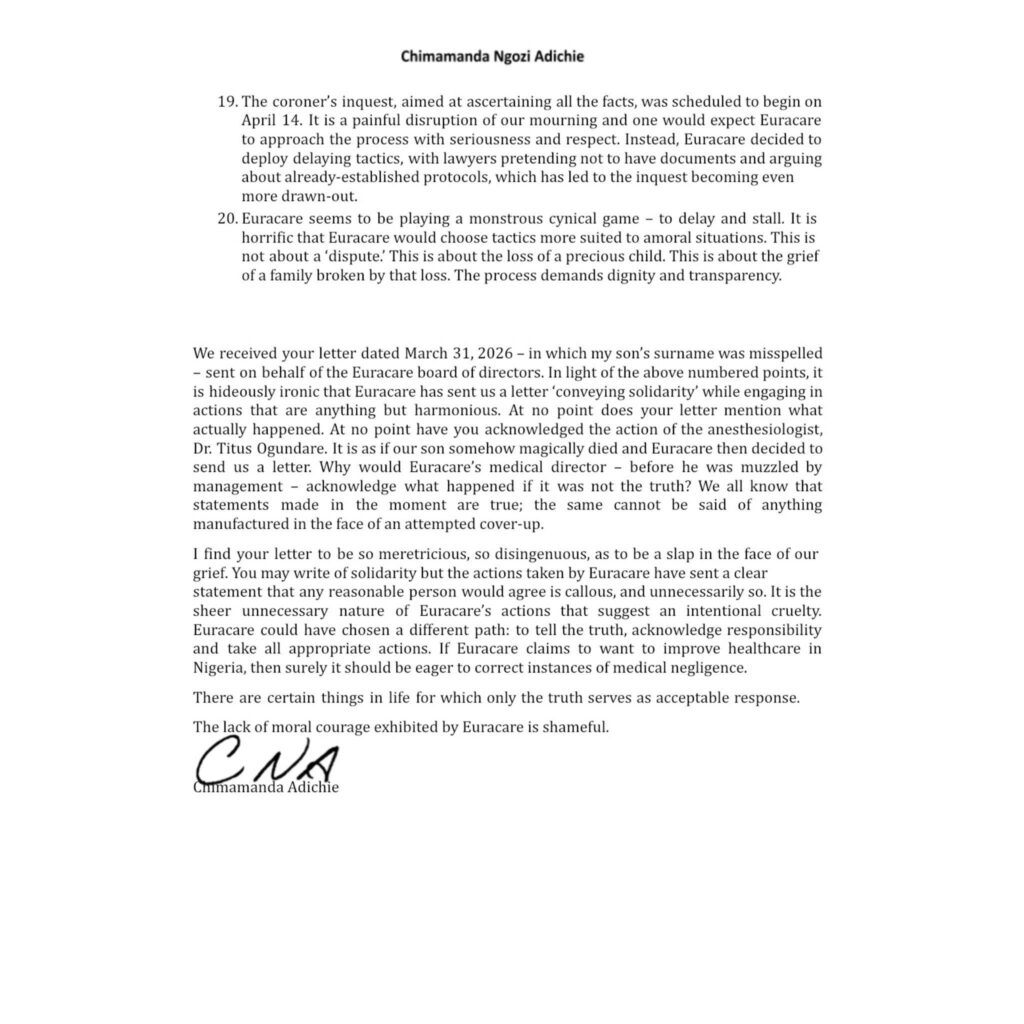
She explained that she decided to make public a letter earlier sent privately in April, arguing that remaining silent would amount to enabling what she described as wrongdoing by the hospital.
“I wake up every single morning with my heart racing. Did this really happen? My precious son, Nkanu Nnamdi. My KanKan, my diokpala,” she wrote, adding that the family would continue pursuing justice despite what she characterised as intimidation and attempts to discourage legal action.
The controversy dates back to early January 2026 when Nkanu, one of Adichie’s twin sons, fell ill and was initially treated at Atlantis Paediatric Hospital.
He was subsequently referred to Euracare Multi-Specialist Hospital in Lagos for specialised diagnostic procedures, including an MRI scan and other preparatory tests, ahead of a planned emergency medical evacuation to the United States.
The child died on January 7 following complications during treatment, prompting widespread grief and national concern. Adichie and her husband, Dr Ivara Esege, later issued a legal notice alleging medical negligence and professional misconduct by the hospital.
They accused medical personnel of failing to provide the required standard of care, allegations Euracare has consistently denied.
In response, Euracare expressed sympathy to the family and maintained that the toddler had arrived critically ill and that its medical team acted in accordance with internationally accepted standards and established clinical protocols. The hospital also announced an internal investigation into the incident.
A Lagos Coroner’s Court sitting in Yaba subsequently commenced proceedings to determine the cause and circumstances surrounding the child’s death after the Lagos State Government ordered an independent inquiry.
According to Adichie, Euracare itself had sought the inquest in January, citing concerns over “rumours of negligence” and stating that an inquiry would be in the hospital’s interest.
However, she now alleges that the hospital has delayed proceedings and is asking the High Court to stop the inquest altogether.
She questioned why the hospital would seek to halt what she described as a simple search for the truth rather than a trial or a claim for damages.
Adichie also disclosed that a senior figure connected with the hospital’s ownership allegedly conveyed a message through a relative, warning that a court case could lead to her name being “dragged in the mud.”
She described the communication as manipulative and implicitly threatening but insisted that such warnings would not deter the family.
“They can drag all they wish in the mud, but our quest for justice will continue,” she stated.
As the legal battle intensifies, no court has yet established liability or determined the exact cause of the toddler’s death.
The ongoing inquest is expected to play a crucial role in establishing the facts surrounding one of the most high-profile medical negligence cases in recent Nigerian history.