
Customs Deepens Anti-Corruption Drive Through WCO, UK Partnership on Risk Mapping and SOPs
The Nigeria Customs Service (NCS) has intensified efforts to strengthen its internal anti-corruption framework through a partnership with the World Customs Organisation (WCO) and the United Kingdom International Development, focusing on corruption risk analysis, risk mapping and the development of Standard Operating Procedures (SOPs).
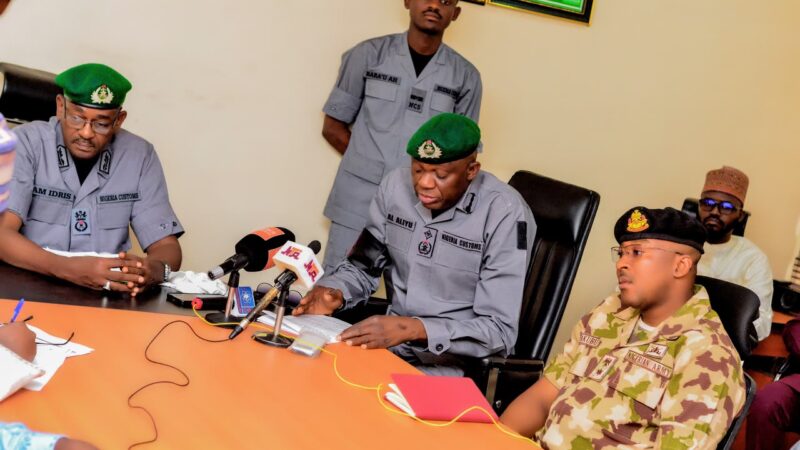
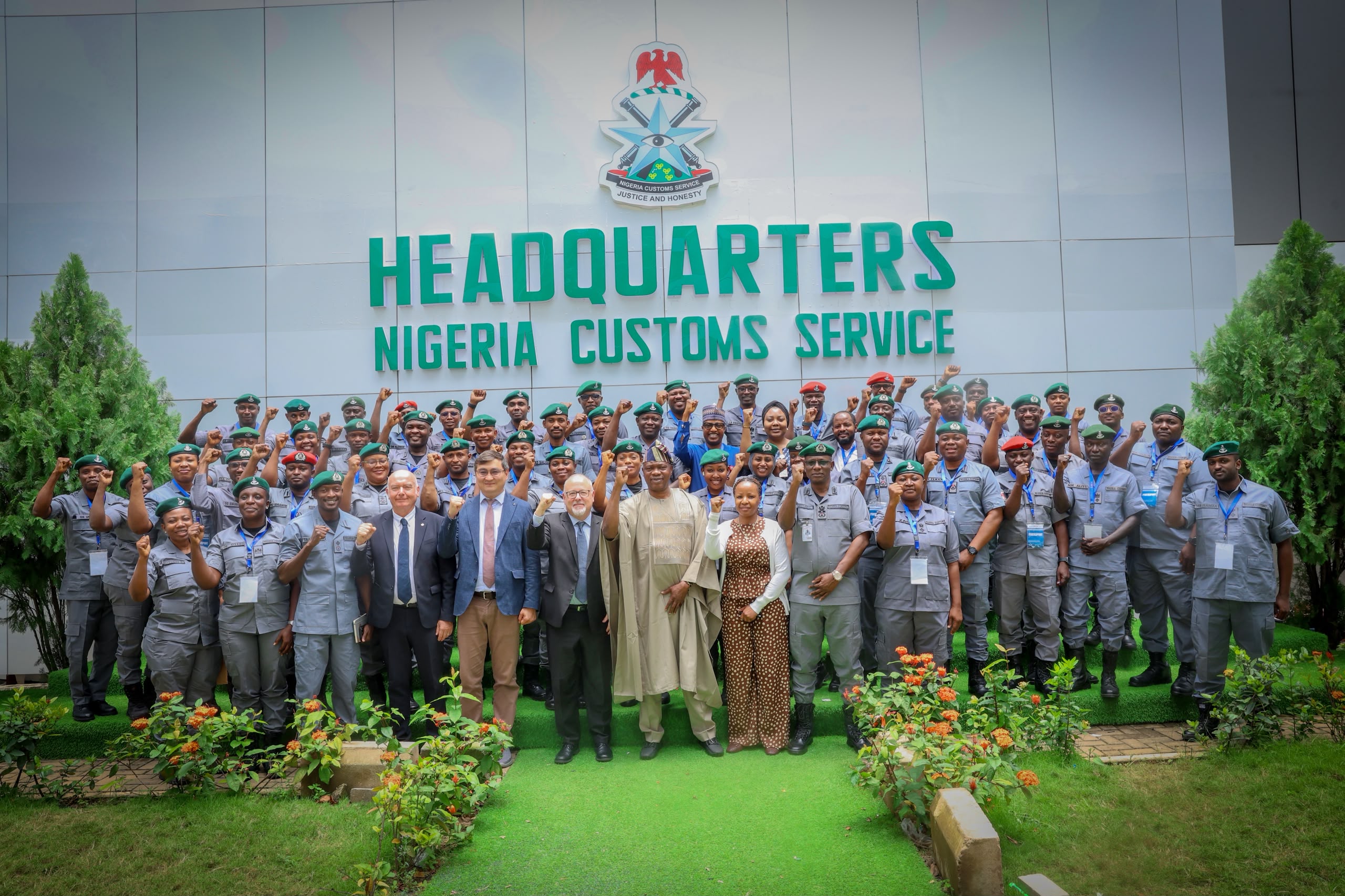
The initiative, which formed part of a workshop held at the NCS Headquarters in Maitama, Abuja, is aimed at identifying vulnerabilities across critical Customs operations and developing practical and sustainable measures to address them.
Speaking at the closing ceremony of the workshop on Friday, August 21, 2026, the Comptroller-General of Customs, Adewale Adeniyi, described the WCO mission as an important step towards strengthening institutional development, integrity and corruption risk management within the Service.
Adeniyi stressed that the exercise was not designed to identify faults or apportion blame, but rather to provide an opportunity for the Service to critically examine its systems, identify weaknesses and develop lasting solutions.
According to him, effective corruption risk management requires institutions to constantly assess their processes and put in place safeguards capable of preventing vulnerabilities before they undermine operational efficiency and public confidence.
He explained that the assessment covered several critical Customs processes, including regulatory and administrative procedures, cargo clearance processes, inspection and examination, enforcement and compliance, procurement, as well as human resource management.
“The purpose of what we have therefore been doing with our partners was to identify such areas of vulnerabilities, assess the associated risk and develop practical measures to mitigate them,” the Comptroller-General said.
Adeniyi assured stakeholders that the Nigeria Customs Service would continue to support initiatives aimed at improving transparency, accountability and internal controls across its operations.
He also emphasised the importance of simplifying processes and deploying technology to reduce unnecessary human discretion, which could create opportunities for unethical practices.
According to him, strengthening integrity within Customs operations is not only essential for combating corruption but also critical to improving trade facilitation, voluntary compliance and public confidence in the institution.
“A customs administration that is transparent, that is predictable and accountable, is better positioned to facilitate legitimate trade, improve compliance, and enhance public confidence,” he said.
The Comptroller-General’s remarks underscored the Service’s growing focus on institutional reforms and the adoption of internationally recognised standards to improve efficiency and accountability.
Also speaking at the event, the WCO Lead Technical Expert for the Accelerate Trade Facilitation Programme, Arman Zhalitov, commended Adeniyi for his continued support for the reform initiatives.
Zhalitov urged members of the working group to take ownership of the outcomes of the workshop and champion the process leading to their endorsement and implementation.
He said the workshop had produced important outcomes, including a comprehensive action plan containing clearly defined steps for advancing trade facilitation while simultaneously strengthening the anti-corruption agenda within the Nigeria Customs Service.
The WCO expert noted that the success of the initiative would depend largely on sustained commitment by the Service and the effective implementation of the recommendations and action plans developed during the exercise.
In his remarks, the WCO Programme Manager for the Accelerate Trade Facilitation Programme, David Tanenbaum, highlighted some of the achievements recorded through the partnership, particularly in the areas of the Authorised Economic Operator (AEO) programme, post-clearance audit and the Time Release Study.
Tanenbaum noted that these initiatives were contributing to the modernisation of Customs procedures and improving the Service’s capacity to facilitate legitimate trade while strengthening compliance mechanisms.
He, however, stressed that integrity could not be treated as an isolated component of Customs reform, noting that efforts to improve operational efficiency, simplify procedures and enhance accountability must go hand in hand with measures to prevent and manage corruption risks.
According to him, the achievements recorded under the partnership demonstrate that the collaboration between the Nigeria Customs Service and its international partners is producing tangible institutional and operational results.
“Our work continues to bring us closer to a systematic, preventive approach to identifying and managing corruption risks within customs operations,” Tanenbaum said.
The workshop represents another phase in the NCS’s broader reform agenda, which seeks to strengthen governance, improve transparency and align the Service’s operations with global best practices.
With the development of a comprehensive corruption risk management framework and practical Standard Operating Procedures, the Service is expected to establish clearer processes for identifying, assessing and mitigating vulnerabilities across key areas of its operations.
The collaboration with the WCO and UK International Development is also expected to support the NCS in building a more transparent and predictable Customs administration capable of balancing revenue collection, enforcement responsibilities and trade facilitation.
As the Service moves towards implementing the action plan developed during the workshop, stakeholders believe sustained commitment, stronger internal controls and the effective use of technology will be critical to translating the outcomes of the exercise into lasting institutional reforms.