

ICAO Urges Strict Compliance With WHO Ebola Guidelines as Air Travel Remains Safe
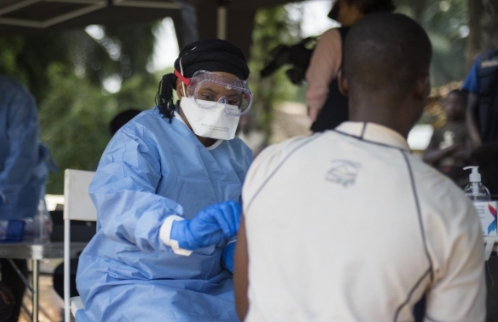
The International Civil Aviation Organization has reassured the global aviation community that international air travel remains safe amid the current Ebola outbreak in parts of Central and East Africa, while urging governments, airlines and other aviation stakeholders to strictly comply with recommendations issued by the World Health Organization.
In a statement issued in response to the outbreak of the Bundibugyo virus disease (BVD) in the Democratic Republic of the Congo and Uganda, ICAO said enhanced global health and aviation coordination mechanisms established after the COVID-19 pandemic were helping to ensure rapid and standardised information sharing among States, airlines, airports and health authorities.
The organisation explained that new health-related provisions had been incorporated into Annex 9 of the Convention on International Civil Aviation, dealing with facilitation, while further operational guidance had also been included in the ICAO Facilitation Manual (Doc 9957).
According to ICAO, digital innovations such as electronic health declarations and contactless border processing systems are now part of its recommended framework for monitoring and managing public health risks linked to international travel.
The aviation body disclosed that through the Collaborative Arrangement for the Prevention and Management of Public Health Events in Civil Aviation (CAPSCA), it is working closely with WHO and member states to implement evidence-based and risk-informed measures aimed at preventing the spread of the disease through air travel while preserving critical global air connectivity.
ICAO added that the measures are also designed to protect aviation workers and passengers, reassure travellers and sustain confidence in international aviation operations.
The organisation noted that it would continue to monitor developments surrounding the outbreak and provide updates to member states and aviation stakeholders in line with WHO guidance as the situation evolves.
Meanwhile, WHO stated that the present Ebola outbreak was caused by the Bundibugyo virus, which does not spread through casual contact or airborne transmission. The agency stressed that transmission occurs through direct contact with the blood or bodily fluids of an infected person.
WHO disclosed that on 17 May 2026, its Director-General officially declared the outbreak a Public Health Emergency of International Concern (PHEIC) following confirmed cases recorded in Ituri Province of the DRC.
Uganda has also reported a limited number of confirmed cases linked to cross-border movements from the DRC.
Health authorities in both countries, supported by WHO and international partners, have reportedly intensified containment measures including rapid detection and isolation of cases, strengthened surveillance systems, infection prevention and control, contact tracing, community sensitisation campaigns and screening at airports and border entry points.
The first meeting of the WHO Emergency Committee on the outbreak, held on 19 May 2026, endorsed the declaration of a PHEIC but clarified that the situation does not currently qualify as a pandemic under existing International Health Regulations.
WHO further maintained that the overall global risk of transmission remains low and advised countries against closing borders or imposing restrictions on international travel and trade.
The agency urged national authorities to collaborate with airlines, tourism operators and transport providers to ensure that travel measures do not exceed WHO recommendations.
WHO also noted that entry screening for passengers arriving from affected areas is not presently necessary outside the impacted region.
However, it stated that exit screening may be implemented at international airports in affected countries for travellers showing symptoms such as fever or unexplained illness consistent with potential BVD infection.
The organisation added that confirmed cases and identified contacts must remain isolated and should not undertake international travel except as part of approved medical evacuation arrangements.