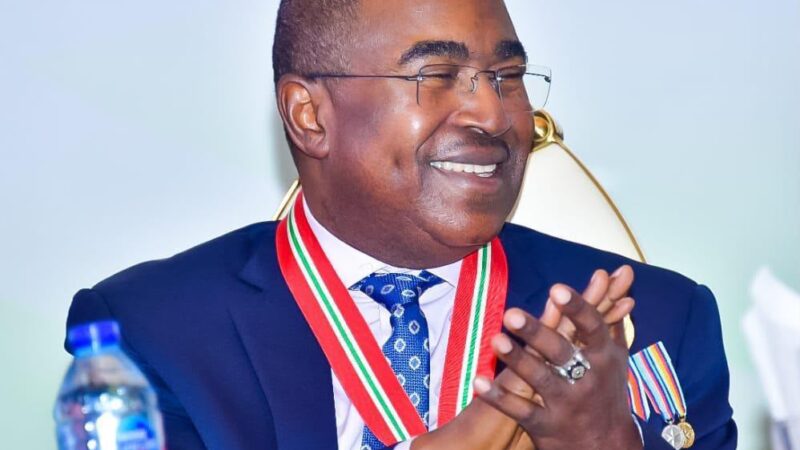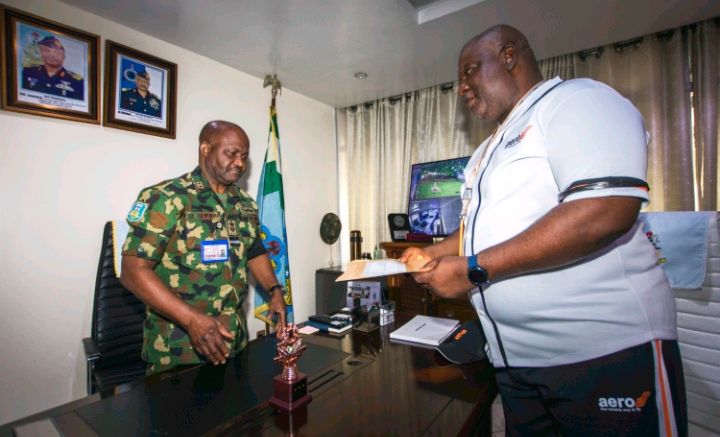

Nigeria, Netherlands Sign Landmark Customs Pact to Boost Trade, Strengthen Border Security
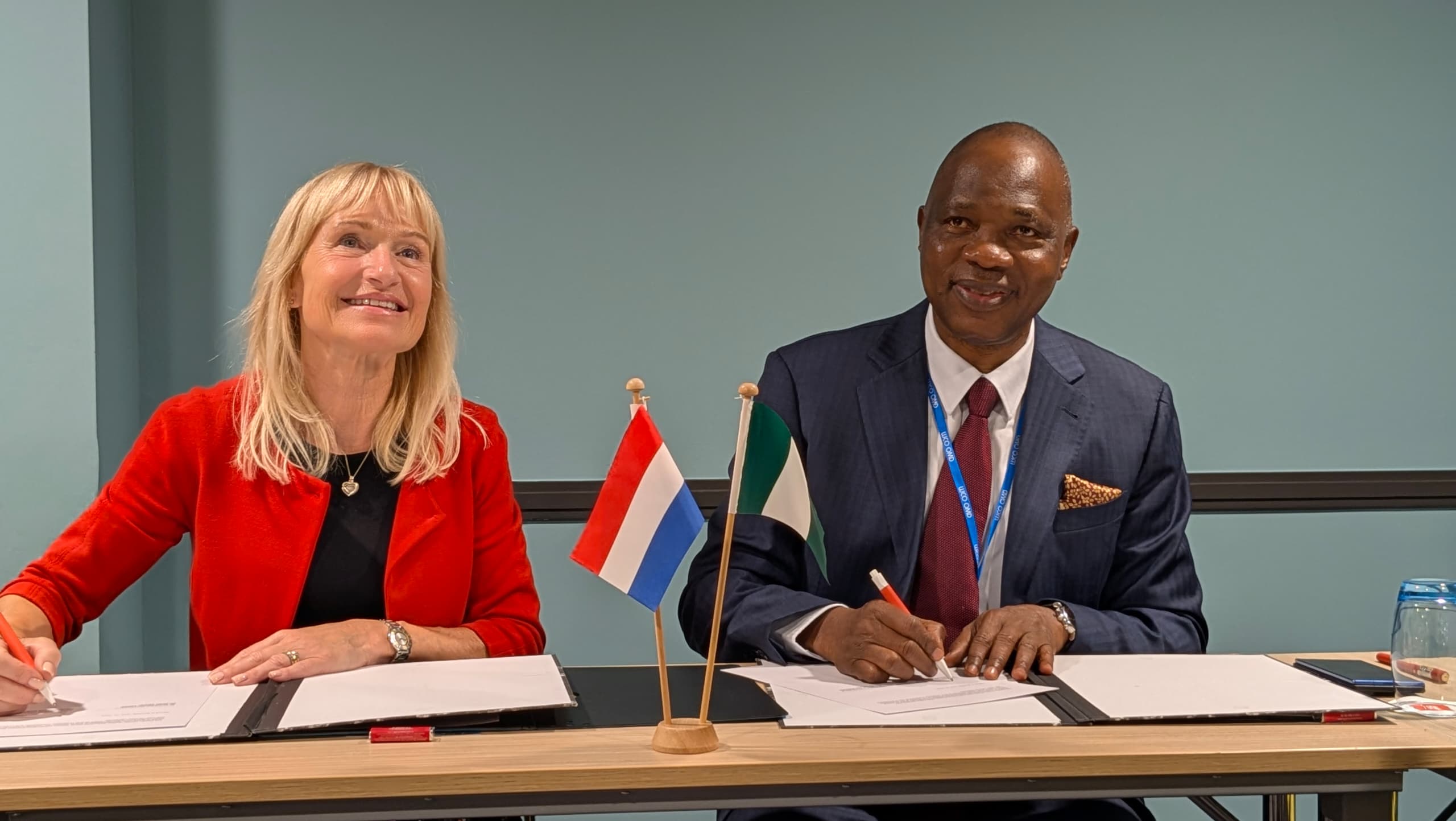
The Nigeria Customs Service (NCS) and the Customs Administration of the Kingdom of the Netherlands have signed a landmark Joint Declaration aimed at deepening bilateral cooperation in trade facilitation, border security, customs modernisation and the fight against transnational organised crime.
The agreement, signed in Brussels on Wednesday, 24 June 2026, marks a significant milestone in the growing partnership between the two customs administrations and underscores their shared commitment to promoting legitimate international trade while tackling cross-border criminal activities.
The Joint Declaration was signed by the Comptroller-General of Customs, Adewale Adeniyi, MFR, and the Director-General of Netherlands Customs, Mrs Nanette Van Schelven, following months of high-level engagements between both countries.
The agreement builds on the Nigeria Customs Service’s bilateral working visit to the Netherlands in October 2025, as well as the return visit by a Netherlands Customs delegation to Nigeria in March 2026, where discussions focused on strengthening institutional collaboration and improving customs operations.
According to the Nigeria Customs Service, both administrations identified key areas for cooperation, including risk management, cargo clearance systems, trade facilitation, border control, supply chain security, capacity development, compliance management, intelligence sharing and enforcement cooperation.
The declaration also acknowledged Nigeria’s strategic role as one of West Africa’s largest economies and an important trading partner of the Netherlands.
Both customs administrations agreed that stronger institutional partnerships are essential for facilitating lawful trade while effectively combating illegal cross-border activities.
The agreement highlighted increasing global concerns over the trafficking of narcotic drugs, psychotropic substances and their precursors, counterfeit goods, wildlife products and illicit weapons, stressing that such threats require coordinated international responses and enhanced intelligence cooperation among customs authorities.
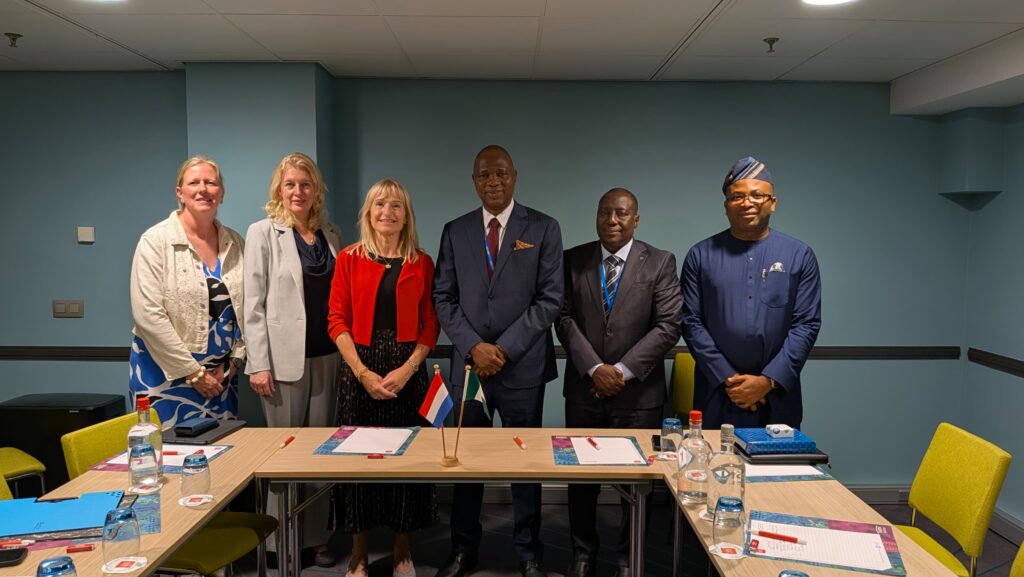
Speaking during the signing ceremony, Comptroller-General of Customs, Adewale Adeniyi, described the declaration as a major achievement in the Service’s international cooperation agenda.
He said the Netherlands Customs had demonstrated the immense value of international collaboration in addressing emerging trade and border management challenges, noting that the new partnership would significantly improve intelligence sharing, strengthen capacity building initiatives and enhance operational effectiveness.
According to Adeniyi, the collaboration will also reinforce collective efforts to secure international supply chains while ensuring smoother movement of legitimate goods across borders.
He added that the declaration reflects the strong relationship both customs administrations have developed over the years and provides a solid framework for future cooperation.
On her part, the Director-General of Netherlands Customs, Mrs Nanette Van Schelven, said both countries face similar challenges within an increasingly interconnected global trading environment.
She observed that closer collaboration would create opportunities for mutual learning, strengthen operational capabilities and improve efforts to combat transnational organised crime.
Van Schelven further noted that the partnership would also contribute to more efficient, transparent and predictable trade processes, benefiting businesses and strengthening economic ties between both nations.
Under the terms of the Joint Declaration, both customs administrations committed themselves to expanding cooperation through structured exchanges of expertise, professional training, technical knowledge sharing and the development of institutional cooperation frameworks.
The agreement also provides the foundation for the development of a comprehensive joint work plan that will guide future collaborative activities aimed at improving border efficiency, promoting fair trade practices, enhancing supply chain security and addressing challenges associated with both legal and illegal cross-border movement of goods.
Officials believe the partnership will further strengthen customs administration in both countries while contributing to safer international trade routes, improved compliance and more effective enforcement against cross-border criminal networks.