
Senate Backs Adeniyi’s Technology-Driven Customs Reforms, Commends NCS Modernisation
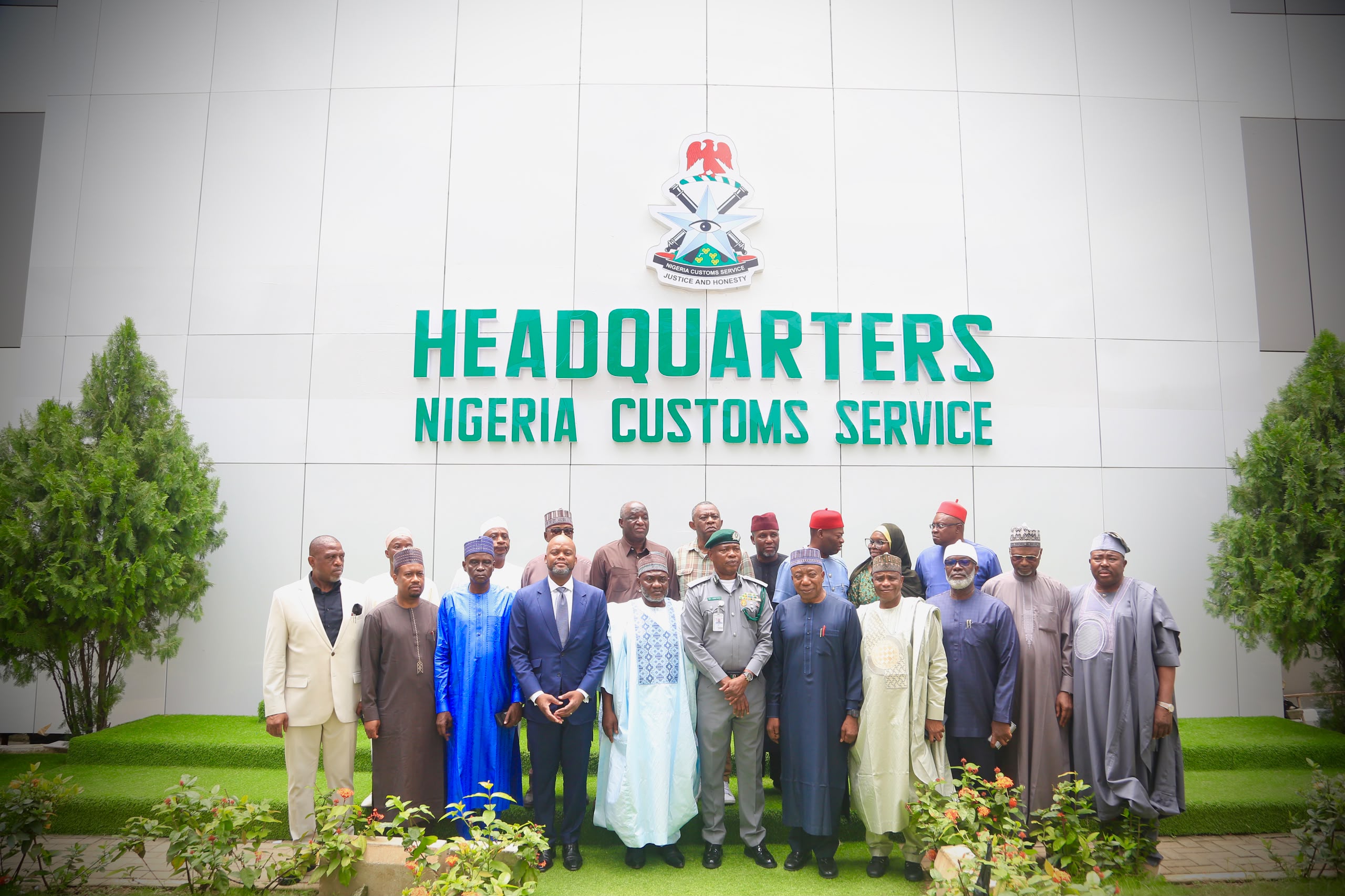
The Senate Committee on Customs and Excise has commended the ongoing reforms at the Nigeria Customs Service (NCS), describing the technology-driven modernisation programme under Comptroller-General of Customs, Adewale Adeniyi, as evidence of prudent utilisation of government resources.
The commendation was made on Thursday, 6 August 2026, during a two-day retreat between the NCS and the Senate Committee on Customs and Excise aimed at strengthening legislative oversight and reviewing the Nigeria Customs Service Act.
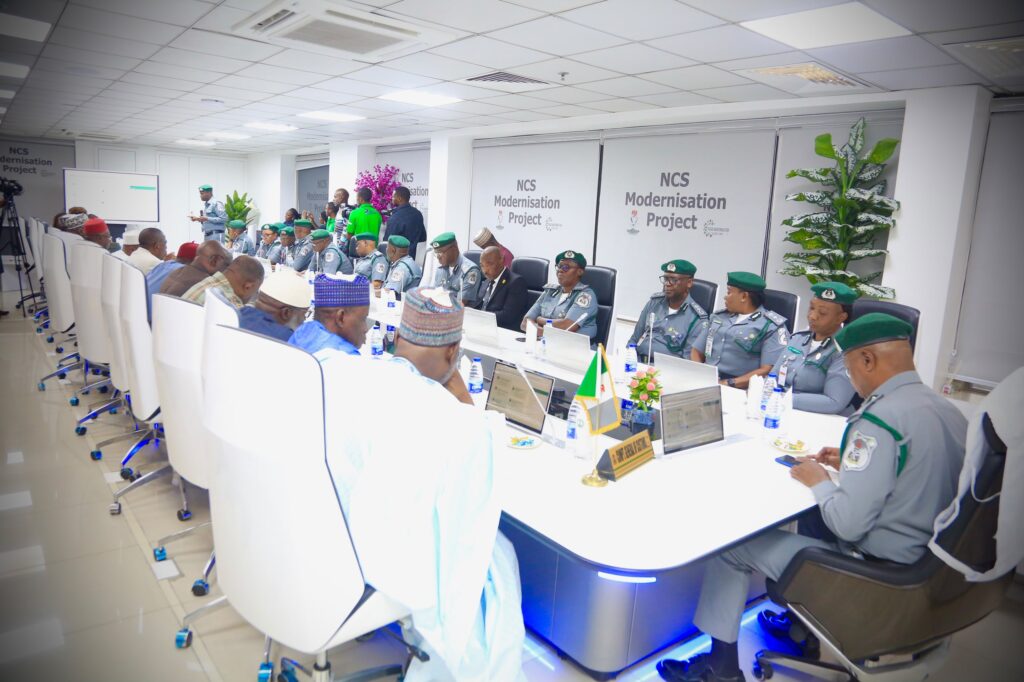
As part of the retreat, members of the committee toured the Customs House in Maitama, Abuja, where they were briefed on the Service’s modernisation initiatives, technology-enabled operations and institutional reforms.
The lawmakers were particularly impressed by the deployment of digital technologies across Customs operations, including trade facilitation, personnel administration, enforcement and surveillance.
Speaking after the tour, Chairman of the Senate Committee on Customs and Excise, Senator Isah Jibrin, said the visit provided lawmakers with an opportunity to assess the reforms firsthand rather than relying solely on reports presented to the National Assembly.
“We have heard about these reforms from afar, but today we have seen them ourselves. The transformation taking place in the NCS is remarkable, particularly in the deployment of technology, modern infrastructure and operational innovations that are repositioning the Service for greater efficiency,” Jibrin said.
He said the demonstration of the reforms had also given the committee greater confidence that appropriated funds were being applied towards improving Customs operations and strengthening the country’s revenue base.
“When the NCS comes before the National Assembly seeking approval for capital expenditure, we now have a clearer understanding of what those resources are being used for,” he said.
“The reforms we have seen today clearly demonstrate that government funds are being invested responsibly to strengthen Customs operations, improve trade facilitation and enhance national revenue.”
The senator’s comments come as the NCS continues its transition towards a more automated and data-driven customs administration, with technology increasingly being deployed to reduce manual processes, improve compliance and facilitate legitimate trade.
Speaking on the reforms, Adeniyi attributed the progress recorded by the Service to the deliberate integration of technology into both administrative and core operational functions.
“Technology helps us to work faster and more efficiently,” the Comptroller-General said.
He explained that the NCS began its digital transformation with internal administrative processes, including personnel administration, postings, staff-related matters and pensions, before extending the approach to its operational responsibilities.
“We started by deploying digital solutions into personnel administration, postings, staff matters and pensions before extending them to our core operational responsibilities, and we will continue until virtually every aspect of Customs operations is technology-driven,” Adeniyi said.
The Customs chief also highlighted the deployment of technology in enforcement, including virtual shooting simulators, geospatial intelligence and digital surveillance.
He said geospatial intelligence was being used to improve the planning of patrol routes and the positioning of checkpoints, thereby enabling the Service to deploy its personnel and resources more efficiently.
“We are deploying geospatial intelligence to map our patrol routes and position our checkpoints more efficiently across the country,” Adeniyi said.
He added that modern training facilities, including the Service’s virtual shooting range, would enhance the operational preparedness and enforcement capabilities of Customs personnel.
The CGC further linked the reforms to provisions of the Nigeria Customs Service Act, stressing that the Service’s modernisation programme was not merely an administrative initiative but part of its statutory responsibility.
“The law requires us to modernise our operations,” he said.
Adeniyi cited the Authorised Economic Operator (AEO) Programme, Advance Ruling, Time Release Study, scanner deployment and other technology-based initiatives as examples of reforms supported by the Customs Act.
He said the Service would continue implementing the measures in line with the Federal Government’s broader reform agenda, particularly efforts to improve trade facilitation, strengthen border security and increase revenue collection.
The Senate committee’s endorsement is significant as the National Assembly continues its oversight of the NCS and considers possible amendments to the legal framework governing Customs administration.
The retreat is expected to provide lawmakers with a better understanding of the operational requirements of the Service, while enabling the NCS to engage directly with legislators on areas requiring legislative support to accelerate modernisation.
The collaboration also underscores the growing importance of technology in balancing the NCS’s traditional revenue-collection mandate with its responsibilities for trade facilitation, border management and enforcement.
With the Senate committee expressing confidence in the direction of the reforms, the NCS is expected to sustain its digital transformation drive as it seeks to build a more efficient, transparent and technology-led Customs administration.