
Returnees From Xenophobia-Hit South Africa Arrive Lagos as MTN’s N50,000 Airtime Offer Raises Questions Over Corporate Sensitivity
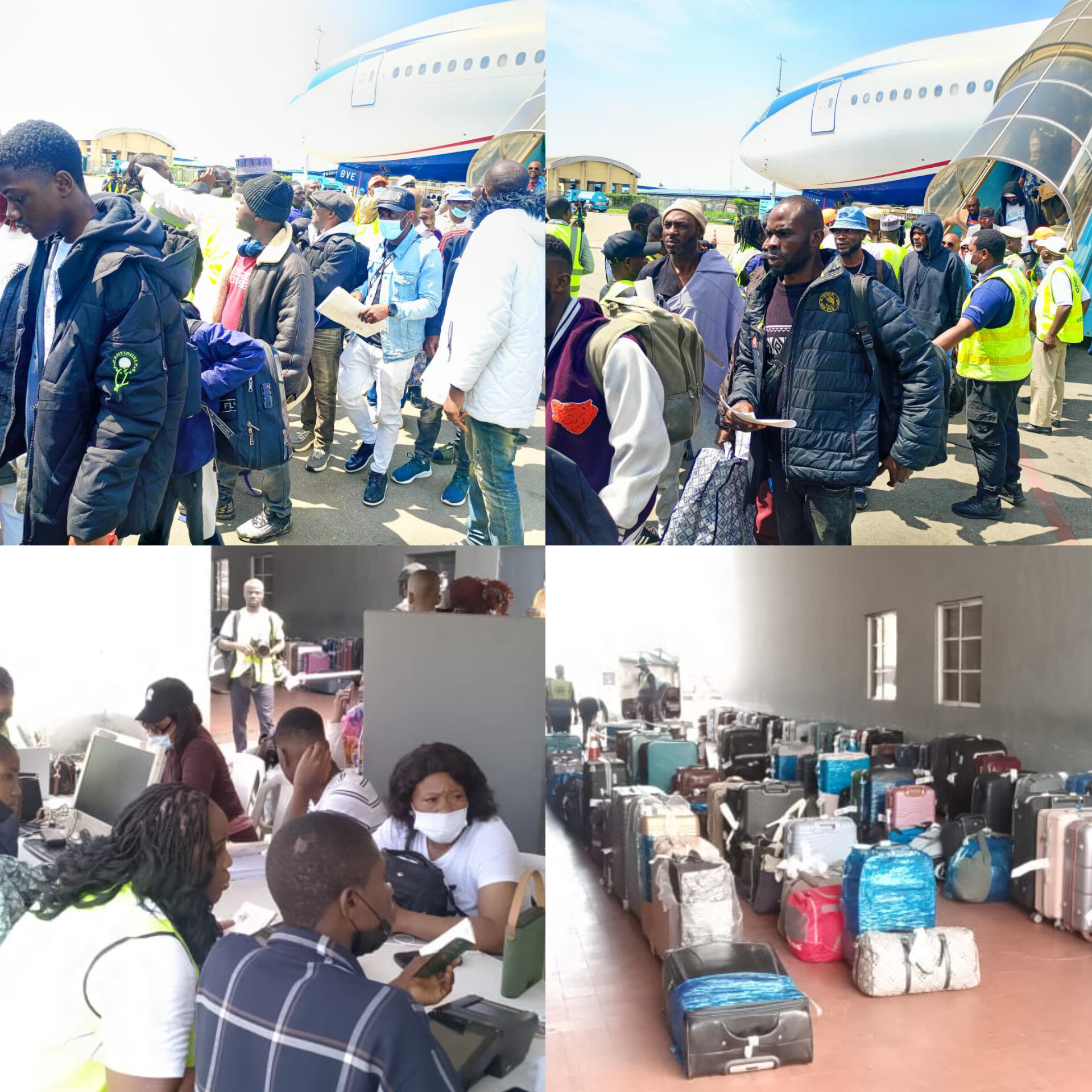
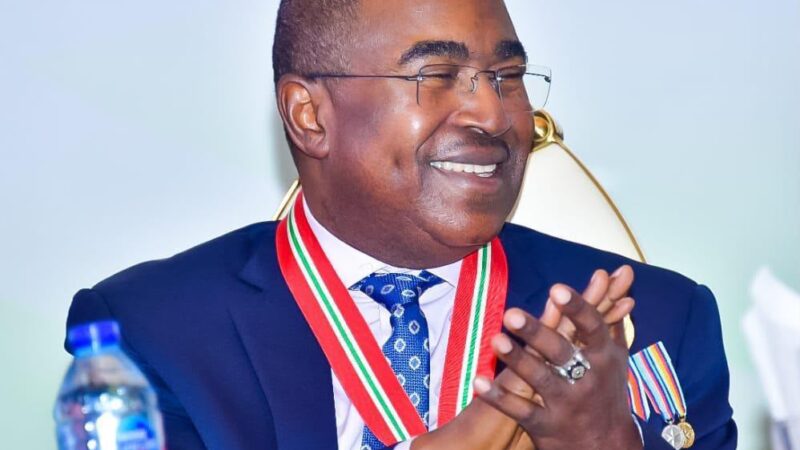
A total of 258 Nigerians who voluntarily opted to leave South Africa following renewed xenophobic attacks arrived at the Murtala Muhammed International Airport, Lagos, on Thursday and were received by the Chairman and Chief Executive Officer of the Nigerians in Diaspora Commission (NiDCOM), Mrs Abike Dabiri-Erewa.
The returnees, who were evacuated by the Federal Government after expressing concerns over their safety and security, touched down at about 10:30 a.m. and immediately commenced immigration documentation, registration and other administrative procedures.
Their return comes amid growing concerns over the resurgence of anti-immigrant sentiments and violent attacks targeting foreign nationals in South Africa, a development that has already compelled more than 1,000 Nigerians to indicate interest in voluntary repatriation.
According to officials at the airport, each returnee is expected to receive financial support of N100,000 from the Federal Government, in addition to assistance from state governments and non-governmental organisations aimed at facilitating their reintegration into society.
However, one aspect of the support package has generated surprise and criticism.
The South African telecommunications giant, MTN, whose roots and parent company trace back to South Africa, reportedly offered each returnee ₦50,000 worth of airtime.
While the gesture may have been intended as a demonstration of goodwill, critics argue that the offer appears grossly inadequate and insensitive when juxtaposed against the traumatic experiences many of the returnees endured.
Several observers described the offer as “symbolic at best” and “an insult to the sensibilities of Nigerians who have lost livelihoods, businesses and years of investment to recurring xenophobic hostility.”
For many, the irony is difficult to ignore.
MTN Group, founded in South Africa and headquartered in Johannesburg, has built one of its largest and most profitable operations in Nigeria.
Yet, at a time when Nigerians are fleeing attacks and abandoning properties in the company’s country of origin, the provision of airtime rather than more substantial rehabilitation support has been viewed by some commentators as an unfortunate public relations misstep.
The latest evacuation follows weeks of anti-immigration protests and attacks in parts of South Africa. According to Nigerian authorities, over 1,094 Nigerians had registered for voluntary return after fears over their safety intensified.
Nigeria is not alone in responding to the crisis. Ghana has already repatriated approximately 1,000 of its nationals, while Liberia has indicated readiness to evacuate its citizens should conditions deteriorate further.
The renewed tensions have once again brought into focus the long-standing problem of xenophobia in South Africa, where immigrants have frequently been accused by some local groups of taking jobs and contributing to crime.
Successive waves of violence over the years have strained diplomatic relations between Nigeria and South Africa and triggered widespread anger among Nigerians.
During the 2019 xenophobic attacks, Nigerian-owned businesses and properties were targeted, prompting the evacuation of hundreds of Nigerians.
The crisis also sparked retaliatory protests against South African businesses operating in Nigeria, forcing MTN to temporarily shut several offices and service centres across the country as a precaution. The company publicly condemned xenophobia and called for peaceful coexistence.
Ironically, during that earlier crisis, the Federal Government had promised returnees not only communication support in the form of airtime and data but also access to Bank of Industry soft loans and reintegration programmes designed to help victims rebuild their lives.
For many analysts, the circumstances surrounding the current evacuation underscore the need for more meaningful corporate interventions, particularly from multinational companies whose fortunes have been significantly boosted by the Nigerian market.
They contend that individuals forced to abandon homes, businesses and possessions because of xenophobic violence require economic empowerment, psychological support and sustainable reintegration opportunities, rather than what some have dismissed as a token gesture.
As the 258 returnees begin the difficult process of rebuilding their lives in Nigeria, attention is likely to remain focused not only on the response of government agencies but also on how corporations with deep commercial interests in Nigeria choose to demonstrate solidarity with citizens displaced by events linked to their countries of origin.