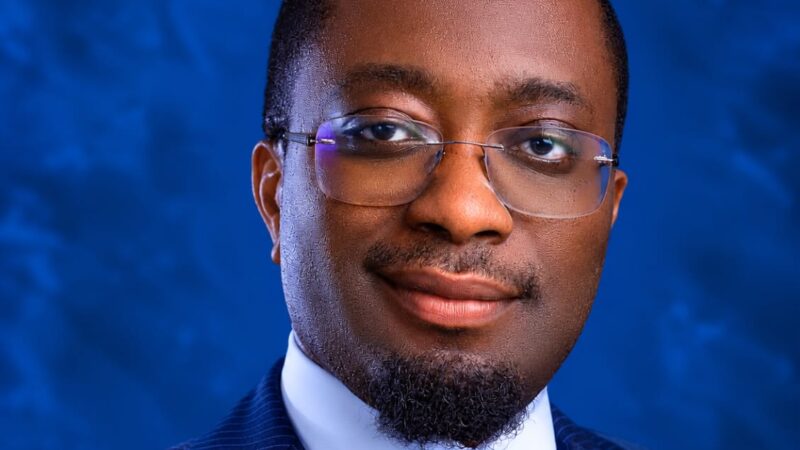

US-INL Commends NDLEA’s Operational Successes, Pledges More SupportBy Our Correspondent
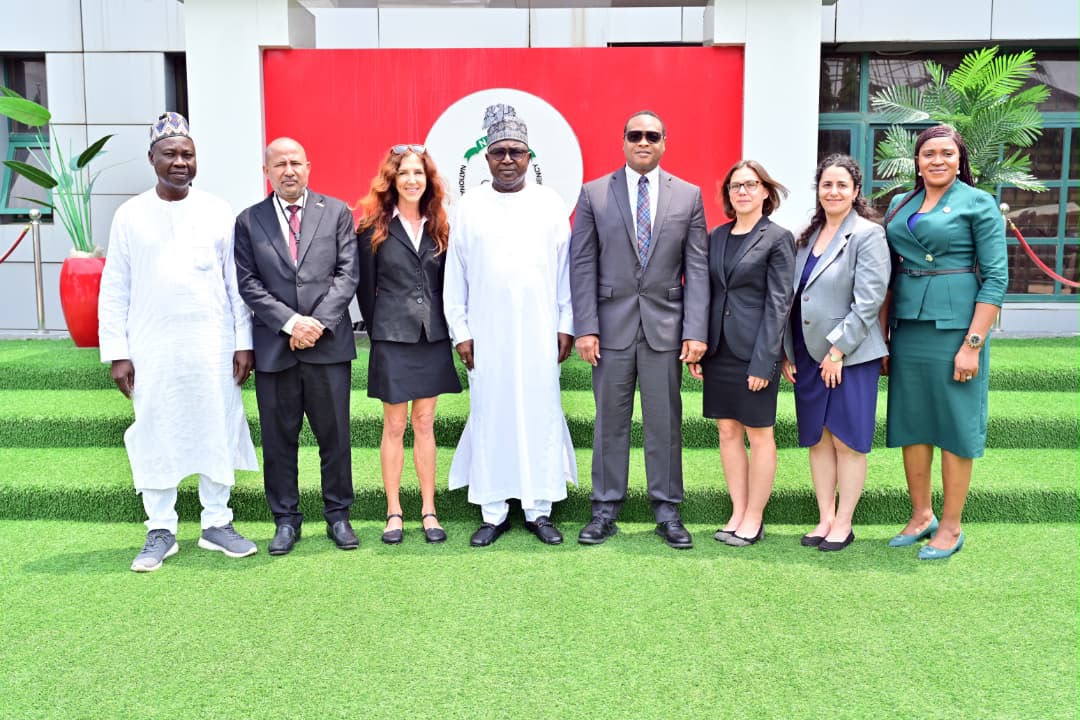
The United States International Narcotics and Law Enforcement Bureau (INL) has commended the National Drug Law Enforcement Agency (NDLEA) for its recent operational successes, promising to strengthen its partnership with the Nigerian anti-narcotics agency and provide additional support to enhance its capabilities.
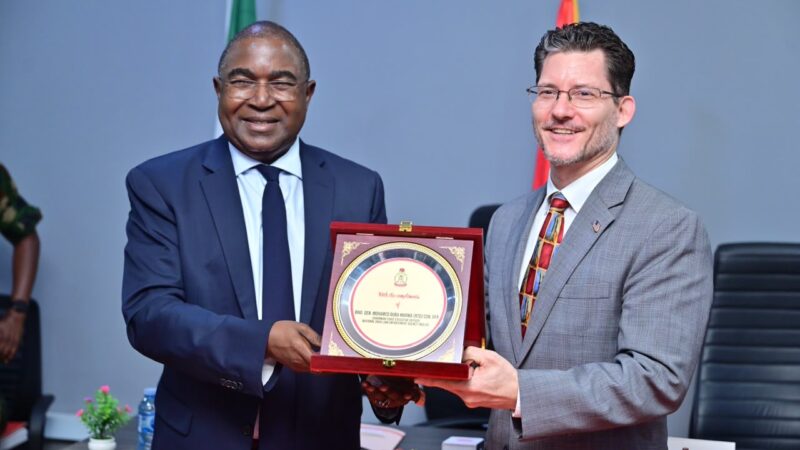
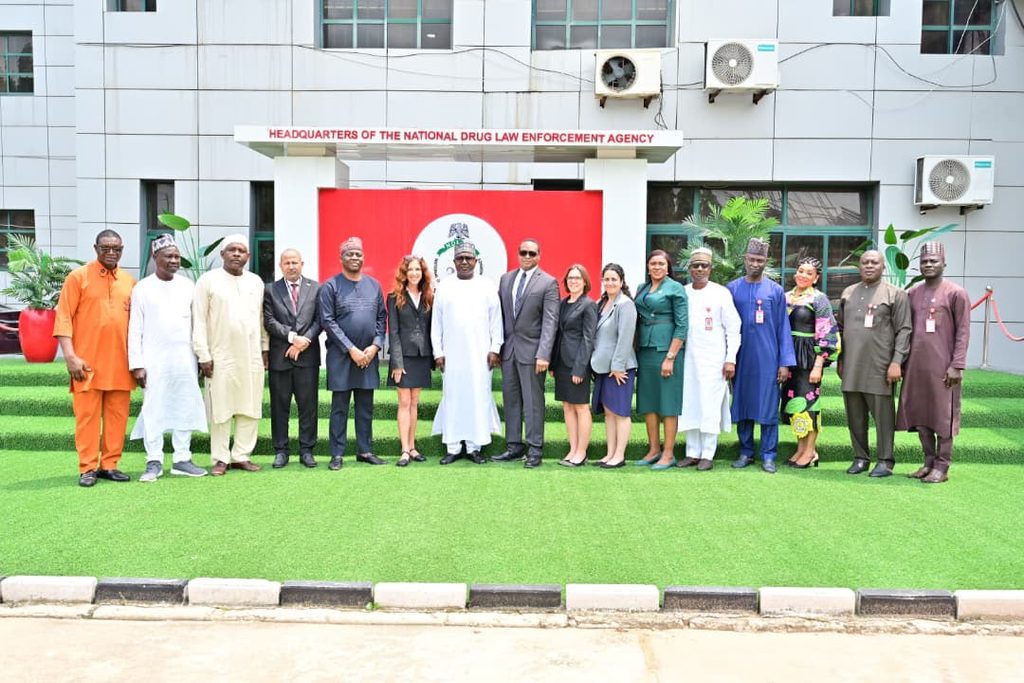
The Country Director of INL Nigeria, Derek Tolliver, gave the commendation on Thursday, August 20, 2026, when he led a delegation from the United States Government Accountability Office on a visit to the NDLEA headquarters in Abuja, where they met with the Chairman and Chief Executive Officer of the agency, Brig Gen Mohamed Buba Marwa (rtd).
Tolliver said the visit was primarily aimed at establishing a working relationship with the NDLEA leadership and identifying areas where the existing partnership between the United States and Nigeria could be further developed.
He expressed his readiness to work closely with the agency and build on programmes implemented by previous INL administrations in Nigeria.
“The purpose of this meeting was to make the initial introductions, to let you know that I’m here. We want to continue the great work and build upon the work of our previous INL programmes here,” Tolliver said.
He added that he and his team at the US Embassy in Abuja looked forward to engaging further with the NDLEA to advance their joint programme objectives.
Tolliver also congratulated Marwa and the NDLEA leadership for what he described as the organisation’s phenomenal growth and achievements in recent months.
“Lastly, I want to say big congratulations on all the successes over the past months with your leadership and under your leadership. It is phenomenal how much this organisation has grown, the accolades that are now shown in the media. So, I do want to recognise that,” he said.
Responding, Marwa congratulated Tolliver on his appointment as Country Director of INL in Nigeria and expressed appreciation for the enduring relationship between the Nigerian government and the United States.
The NDLEA chairman specifically acknowledged the contribution of INL and other US government agencies, including the Drug Enforcement Administration (DEA), United States Africa Command (AFRICOM) and the Federal Bureau of Investigation (FBI), to the agency’s operational development.
Marwa said the support received from the United States had played a significant role in the progress recorded by the NDLEA in recent years.
“I would like to state very clearly that whatever successes that we have had in this agency, the INL is part of it. No question about it,” he said.
According to him, one of the major areas in which the US government had assisted the NDLEA was the provision of operational vehicles, which he described as critical to the mobility and effectiveness of the agency’s commands across the country.
Marwa recalled that shortly after assuming leadership of the NDLEA in 2021, he distributed vehicles provided through the INL to various commands to strengthen their operational capacity.
He said the partnership had also transformed the agency’s forensic capabilities, particularly through the modernisation of its laboratories and the establishment of additional facilities in other parts of the country.
Marwa explained that the NDLEA previously relied on a single forensic laboratory in Lagos to serve the entire country, a situation that placed significant limitations on its ability to conduct timely scientific analysis of seized narcotics and other substances.
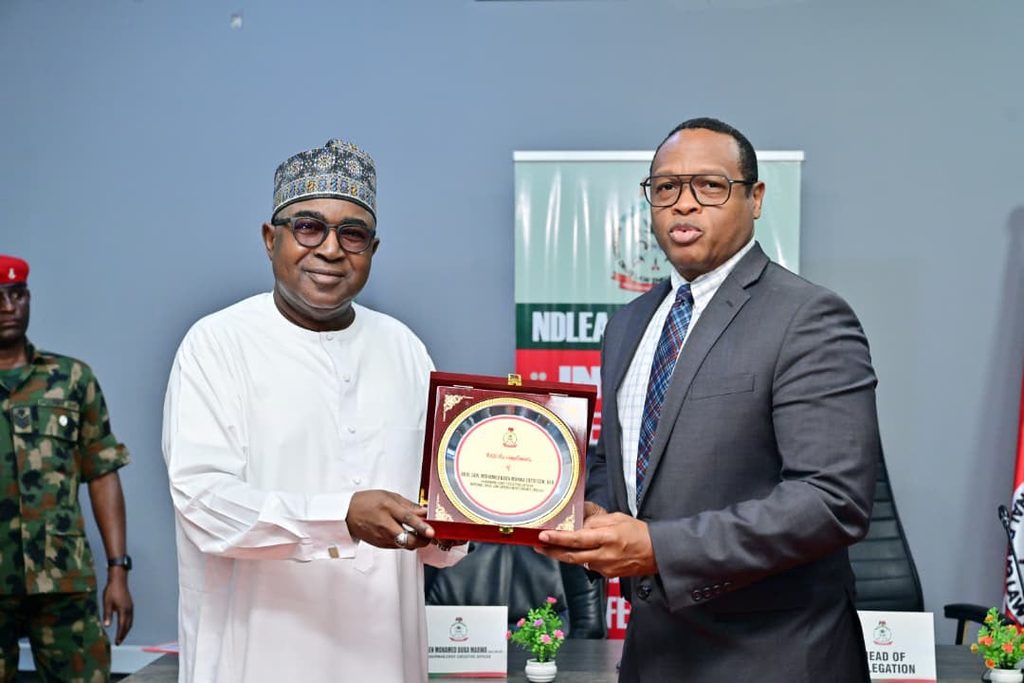
He said the INL subsequently supported the modernisation of the Lagos laboratory with improved equipment and facilities, while also supporting the establishment of additional forensic laboratories in Abuja and Enugu.
The Abuja laboratory, he said, was designed to cater for the northern part of the country, while the Enugu facility serves the South-East and South-South zones.
According to Marwa, the improved forensic infrastructure has become central to the NDLEA’s drug enforcement operations, particularly in identifying substances and precursor chemicals associated with illicit drug production.
He cited the recent discovery and dismantling of a clandestine methamphetamine laboratory deep inside a forest in Ogun State as a major example of how the US-supported forensic equipment had assisted the agency.
Marwa disclosed that during the operation, which took place about two months ago, NDLEA operatives seized materials and relied on forensic analysis to identify the precursor chemicals found at the illicit facility.
He said the analysis revealed that one of the chemicals was a precursor associated with the production of fentanyl, a highly potent synthetic opioid that has become a major public health and law-enforcement concern internationally.
“It’s bad enough to be dealing with meth laboratories and we very much appreciate that contribution,” Marwa said, stressing that the discovery might have gone unnoticed without the modern forensic equipment provided through the partnership.
He explained that the fentanyl-related precursor constituted only a small portion of the chemicals recovered from the forest laboratory, making the capacity to conduct detailed forensic analysis particularly important.
“Without these modern tools, that would have gone unnoticed because it was just a small part of the precursor chemicals. That was really very important,” he said.
The revelation adds a new dimension to the NDLEA’s ongoing efforts to prevent Nigeria from becoming a production or transit hub for emerging synthetic drugs and their precursor chemicals.
Marwa further appealed for continued assistance from the US government, particularly in the areas of logistics, training and other operational requirements.
He said sustained international cooperation remained essential to enabling the NDLEA to respond effectively to evolving drug-trafficking networks and the emergence of increasingly sophisticated illicit drug-production methods.
The NDLEA chairman stressed that the agency’s collaboration with international partners had contributed significantly to its ability to expand operations, improve intelligence gathering, strengthen forensic investigations and dismantle illicit drug-production facilities.
The meeting is expected to further deepen cooperation between the NDLEA and the US INL, with both sides indicating a willingness to build on existing programmes and develop new areas of collaboration in the fight against illicit drugs.
The engagement also comes amid heightened international concern over the spread of synthetic drugs, including methamphetamine and fentanyl, and the growing sophistication of criminal networks involved in their production and distribution.
Through continued technical, logistical and capacity-building support, the NDLEA and its US partners are expected to strengthen efforts to detect precursor chemicals, disrupt clandestine laboratories and prevent dangerous synthetic drugs from gaining a foothold in Nigeria.