
NCAA Temporarily Halts Enforcement of ‘No Pay, No Service’ Order Against Airlines
The Nigeria Civil Aviation Authority (NCAA) has suspended the implementation of its “no pay, no service” enforcement directive against airlines indebted to the regulator, in a move aimed at protecting operational stability within the aviation industry.
The Authority said the decision followed wide-ranging consultations with stakeholders and a review of the harsh operating environment confronting domestic carriers, particularly the continued rise in the cost of Jet A1 aviation fuel.
In a statement released on Sunday, the NCAA explained that while the enforcement measure had been suspended temporarily, airlines owing statutory charges were still under obligation to settle their debts.
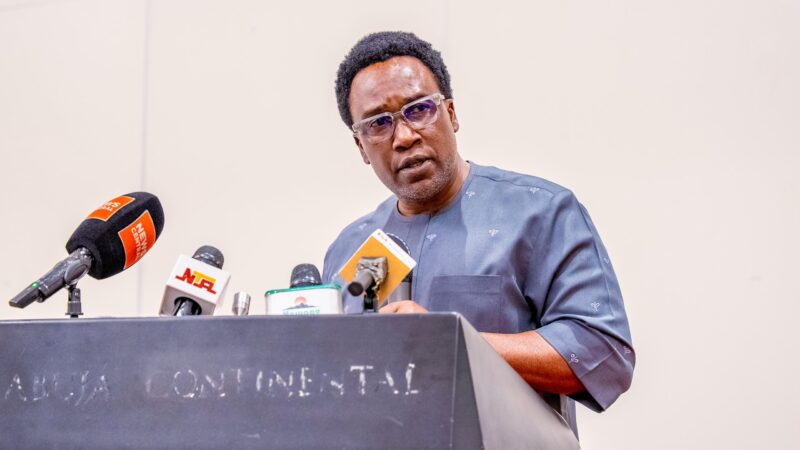
The statement, signed by the Director-General of Civil Aviation, Capt. Chris Najomo, stressed that the suspension should not be interpreted as a debt waiver, cancellation, or forgiveness of financial obligations owed to the Authority and other aviation agencies.
According to the regulator, the action was intended to prevent unnecessary disruption to flight operations while efforts continue to recover outstanding statutory remittances through dialogue and structured engagements with operators.
The NCAA recently drew attention after issuing a directive threatening to deny services to airlines that failed to remit statutory charges collected on behalf of the aviation sector.
However, the regulator said current economic realities within the aviation industry required a more balanced approach that would ensure compliance without worsening the fragile condition of domestic airline operations.
The Authority also referenced the intervention earlier approved by President Bola Ahmed Tinubu, who granted a 30 per cent discount on outstanding debts owed by domestic airlines to aviation agencies.
The NCAA noted that the presidential relief package formed part of measures introduced by the Federal Government to cushion the impact of escalating fuel prices and stabilise the nation’s aviation industry.
Providing clarification on the disputed remittances, the Authority explained that the five per cent Ticket and Cargo Sales Charge is a statutory levy established under the Civil Aviation Act and incorporated into the cost of air tickets and cargo transactions.
It stated that airlines collect the charge on behalf of the aviation ecosystem and are required to remit the proceeds to the NCAA for statutory distribution.
The regulator emphasised that such collections are not part of the airlines’ profit or operating revenue and should therefore not be retained by operators.
“These funds, after remittance, are shared among the regulator and key aviation service providers which perform specific responsibilities that collectively sustain safe, efficient, and internationally compliant aviation operations,” the statement said.
The NCAA further disclosed that it operates on a cost-recovery basis and does not receive direct government funding for its routine regulatory duties.
It added that statutory charges remain critical for maintaining oversight responsibilities, safety regulation, and operational efficiency across the aviation sector.
The Authority maintained that although enforcement had been suspended temporarily, it remained committed to ensuring that all outstanding obligations are eventually settled in accordance with the law.
The latest development may ease pressure on local airlines struggling with rising operational costs, foreign exchange scarcity, multiple charges, and maintenance expenses that have continued to affect profitability and service delivery in Nigeria’s domestic aviation market.