
Lagos Secures Permanent Licence to Operate Red Line as NRC Opens New Chapter for Nigeria’s Rail Sector
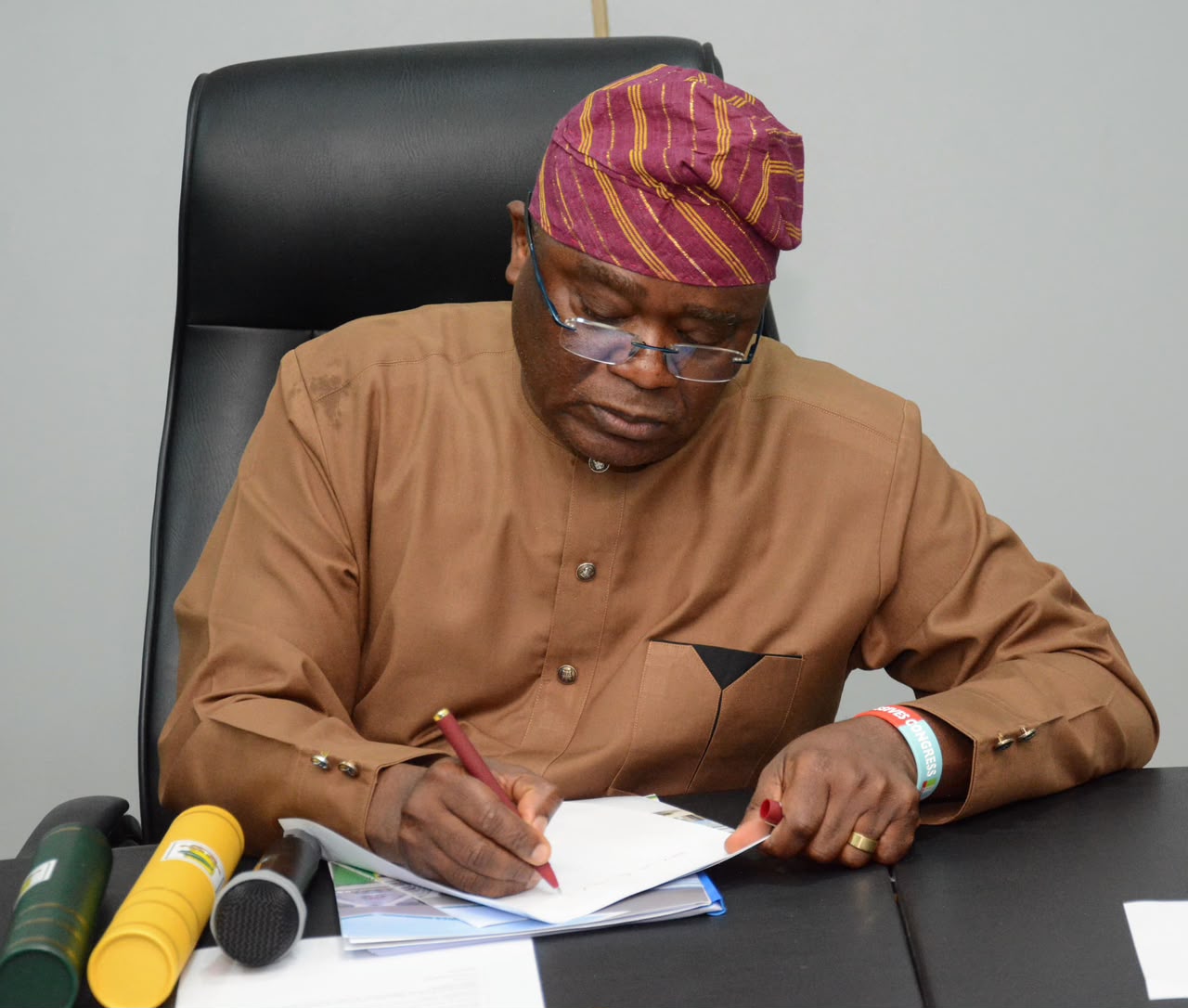
The Nigerian Railway Corporation (NRC) has officially granted the Lagos State Government a Permanent Operating Licence for the Lagos Rail Mass Transit (LRMT) Red Line, in a landmark development expected to deepen rail transport reforms and encourage greater participation by state governments in the country’s railway sector.
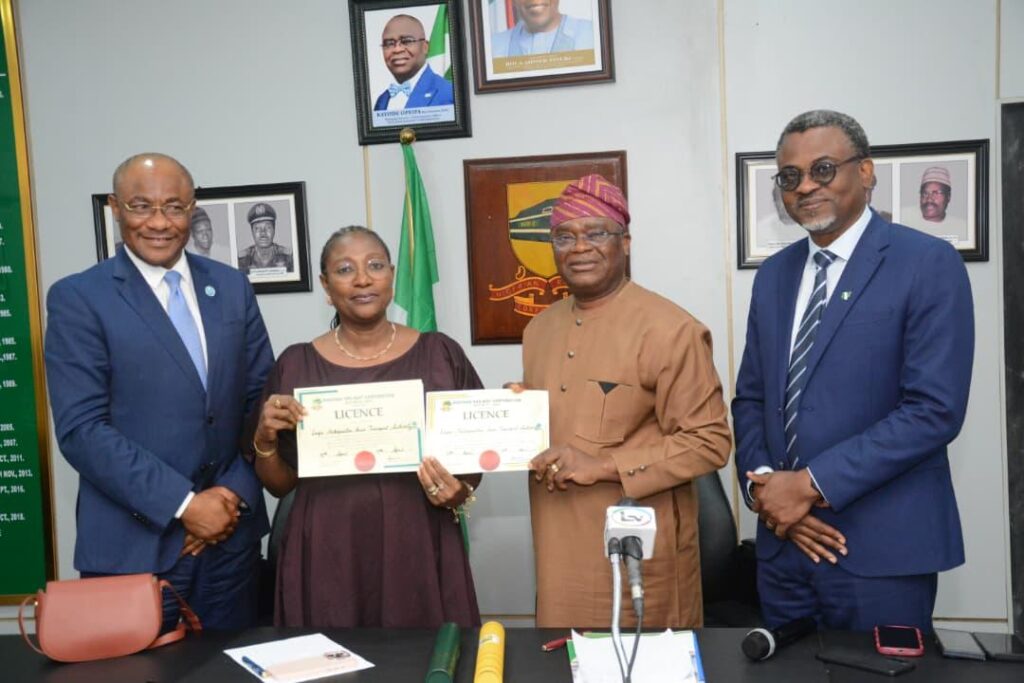
The licence was presented on Tuesday by the Managing Director of the NRC, Kayode Opeifa, during a ceremony marking what he described as a significant turning point in the history of railway operations in Nigeria.
Addressing stakeholders at the event, Opeifa said the issuance of the licence marked the end of an era in which the NRC remained the country’s sole railway operator, and the beginning of a more inclusive system that accommodates multiple operators under a regulated framework consistent with international best practice.
He explained that since its establishment in 1898, the NRC had been responsible for developing and operating railway services across Nigeria and, at various times, maintaining rail links with neighbouring countries.
However, he stressed that the corporation’s decision to licence the Lagos State Government was not a relinquishment of its statutory responsibilities but an expansion of opportunities to improve rail services nationwide through strategic partnerships.
“This is a historic moment for Nigeria’s railway industry,” Opeifa said. “We are not stepping away from our responsibilities. Rather, we are embracing a modern regulatory approach that allows qualified operators to provide rail services while maintaining safety and operational standards.”
The NRC chief traced the origins of the Lagos Red Line project to April 2012, when former President Goodluck Ebele Jonathan approved the transfer of two Federal Government railway tracks to the Lagos State Government for the construction and operation of the urban rail corridor.
According to him, that decision laid the groundwork for what has become one of Nigeria’s most significant urban transport projects.
The LRMT Red Line officially commenced passenger operations on 15 October 2024 after being inaugurated by President Bola Ahmed Tinubu. The rail service initially operated during morning and evening peak periods, offering commuters an alternative to Lagos’ heavily congested roads.
Opeifa noted that the collaboration between the NRC and the Lagos State Government had extended beyond granting access to railway infrastructure. The corporation, he said, also trained operational personnel for the Red Line, helping to ensure that the service met the required technical and safety standards.
He recalled that the Lagos State Government had earlier received a temporary operating licence to enable implementation of the Track Sharing Agreement pending comprehensive operational assessments by the NRC.
Following the successful completion of those evaluations, the corporation has now issued a Permanent Operating Licence through the Lagos Metropolitan Area Transport Authority, the agency responsible for coordinating the state’s urban transport network.
The licence authorises LAMATA to operate passenger services along the shared railway corridor under the Track Sharing Agreement while granting the Lagos State Government the legal authority to develop and operate additional rail systems in accordance with internationally recognised railway practices.
Opeifa described the achievement as the product of years of cooperation, mutual confidence and institutional collaboration between both organisations.
He commended the Lagos State Government for making sustained investments in rail infrastructure and rolling stock despite the enormous financial commitments required to establish a modern urban railway system.
“The development of modern rail infrastructure requires vision, substantial capital investment and unwavering political commitment,” he said. “Lagos State has demonstrated all these qualities through its consistent investment in public transportation.”
The NRC Managing Director reiterated that rail transport remains the most efficient mode of mass transit for large urban centres because of its capacity to move thousands of passengers safely, reliably and in an environmentally sustainable manner.
He argued that expanding railway infrastructure would significantly reduce pressure on Nigeria’s road network, lower transport costs, improve logistics efficiency and support economic productivity.
Opeifa also called on other state governments to emulate Lagos by investing in rail infrastructure to complement the Federal Government’s efforts to modernise the national railway network.
According to him, wider adoption of rail transport across the federation would ease highway congestion, improve passenger movement, stimulate industrial development and facilitate trade, while supporting Nigeria’s broader economic transformation agenda.
He reaffirmed the NRC’s commitment to fostering partnerships capable of delivering an integrated, efficient and sustainable railway system that meets the mobility needs of Nigerians.
The NRC boss further acknowledged the contributions of officials who conducted the operational assessments that preceded the issuance of the permanent licence, praising their professionalism and diligence in ensuring that the Red Line complied with all required operational standards.
The presentation of the Permanent Operating Licence represents another milestone in the Federal Government’s ongoing efforts to modernise Nigeria’s railway sector, strengthen collaboration with sub-national governments and promote efficient urban mass transit systems capable of meeting the transportation demands of the country’s rapidly growing cities.