
House Committee Demands Stronger NCAA Oversight, Action on Airlines’ Statutory Remittances
The House Committee on Delegated Legislation of the National Assembly has urged stronger regulatory oversight of Nigeria’s aviation industry, while calling for legislative measures to ensure airlines promptly remit statutory funds due to the Nigeria Civil Aviation Authority (NCAA).
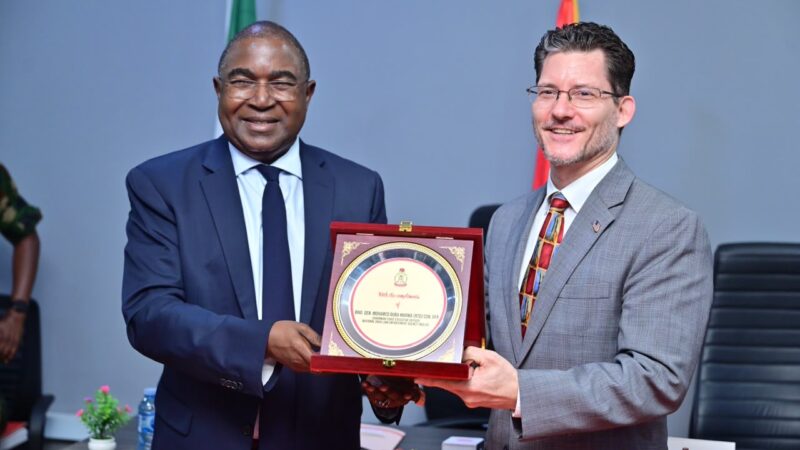
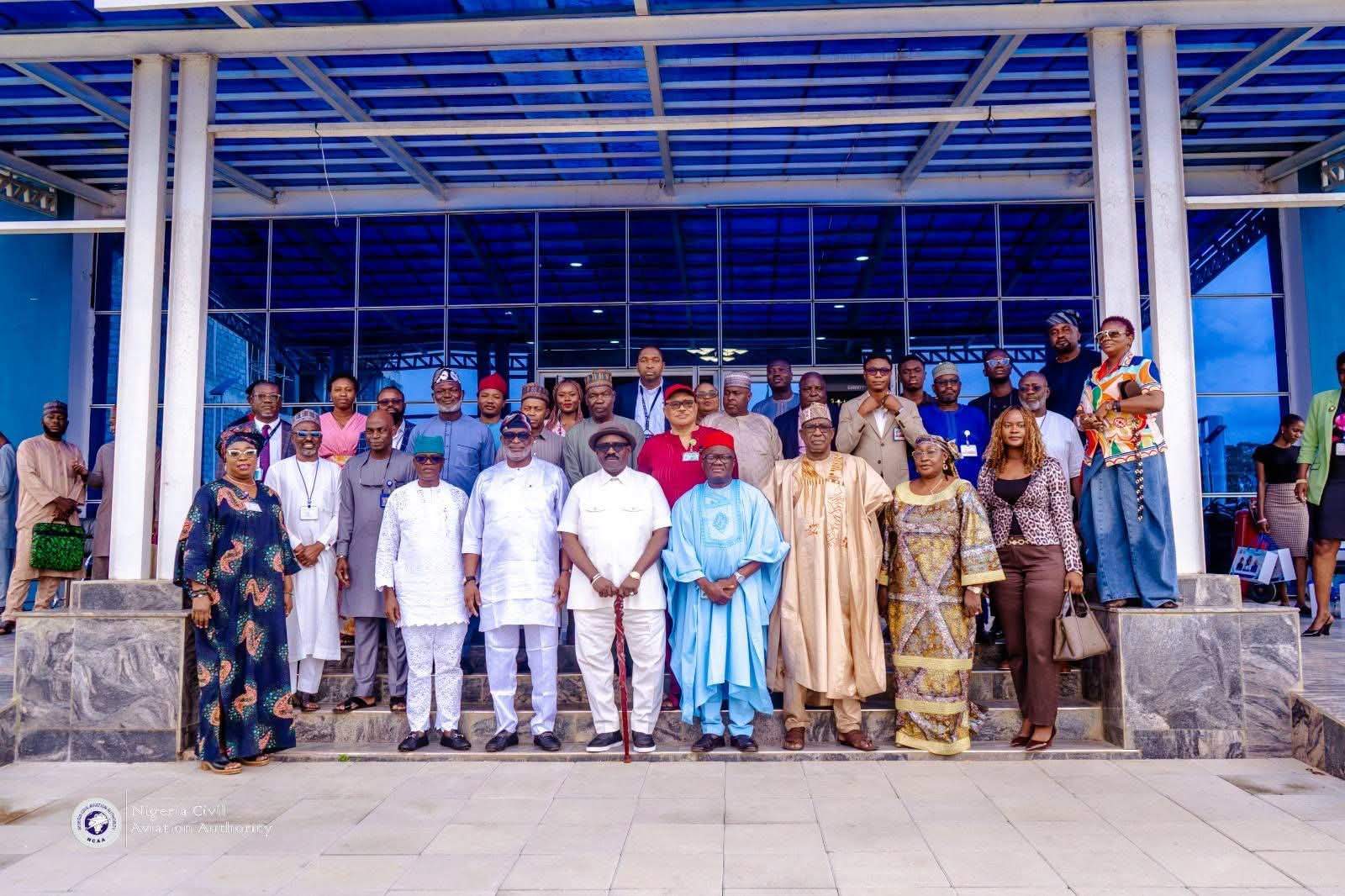
The committee made the call during a familiarisation visit to the NCAA’s corporate headquarters in Abuja on Wednesday, 19 August 2026, where lawmakers engaged the authority’s management on aviation regulation, delegated legislation, airline compliance, passenger protection and persistent operational challenges in the sector.
The engagement also provided an avenue for the lawmakers to gain a deeper understanding of the NCAA’s regulatory and rule-making processes and examine areas where legislative reforms could improve the effectiveness of aviation regulation.
Receiving the committee, the Director-General of Civil Aviation (DGCA), Capt. Chris Najomo, said sustained interaction between the National Assembly and the aviation regulator was essential to keeping Nigeria’s regulatory framework relevant to the changing needs of the industry.
Najomo stressed that effective regulation must remain consistent with international standards, particularly those established by the International Civil Aviation Organisation (ICAO).
He explained that the Civil Aviation Act 2022, the Nigerian Civil Aviation Regulations (NCAR) 2023 and other regulatory instruments provide the legal foundation for the NCAA’s mandate.
The framework, he said, covers critical areas including aviation safety, aviation security, economic regulation and consumer protection.
The DGCA further underscored the importance of legislative support in strengthening the NCAA’s capacity to enforce regulations and respond effectively to emerging developments in the aviation industry.
The Chairman of the House Committee on Delegated Legislation, Rt. Hon. Olufemi Richard Bamishile, said the visit was designed to improve the committee’s understanding of how the NCAA exercises its delegated legislative functions.
He said closer cooperation between the legislature and the regulator would contribute to a more effective regulatory system and ensure that rules governing the aviation industry are properly developed, implemented and enforced.
Bamishile, however, expressed concern over outstanding statutory remittances by airlines to the NCAA.
He suggested that the existing legal framework should be amended to provide for the immediate deduction and remittance of applicable statutory funds to the regulator.
According to him, such an arrangement would reduce delays in the payment of funds due to the authority and strengthen its capacity to carry out its regulatory responsibilities.
The issue of statutory remittances has remained an important aspect of aviation sector regulation, given the need for regulatory agencies to have access to funds required to perform their mandated functions.
The committee also questioned the NCAA on the recurring cases of flight delays and cancellations affecting passengers across the country.
Hon. Rufus Adeniyi Ojuawo, a member of the committee, sought clarification on the underlying causes of the disruptions and the measures being taken by the regulator and airlines to prevent their recurrence.
The lawmakers’ concern reflects the wider impact of operational disruptions on passengers, particularly where cancellations and prolonged delays result in missed connections, additional costs and other inconveniences.
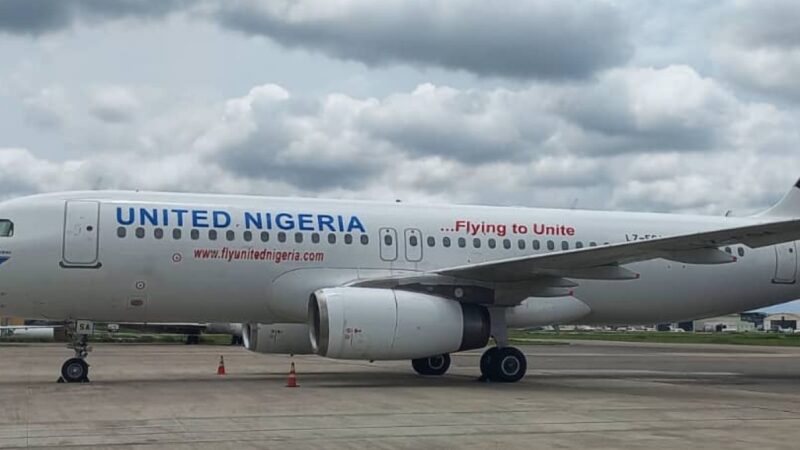
Responding to the question at the instance of the DGCA, the NCAA’s Director of Public Affairs and Consumer Protection, Michael Achimugu, said inadequate aircraft capacity had been one of the factors responsible for some of the disruptions experienced by passengers.
Achimugu explained that the problem could be amplified where an airline relied on a single aircraft to service several routes.
He said the unavailability of such an aircraft could affect multiple destinations simultaneously, leaving passengers stranded and putting additional pressure on the airline’s operations.
He disclosed that efforts were being made to improve fleet capacity, including the deployment of additional aircraft through dry-lease arrangements.
The NCAA official also disclosed that the authority was developing a mechanism through which passengers affected by airline disruptions could be rebooked on alternative carriers.
Such a system, he said, would provide an additional layer of protection for passengers and help minimise the consequences of flight cancellations and other operational disruptions.
The committee’s engagement also focused on the need to update Nigeria’s aviation legislation in line with current realities in the industry.
Responding to the committee chairman’s call for legislative amendments, the NCAA Director of Legal Services, Mrs Mary Tufano-Eche, disclosed that the review of the Civil Aviation Act was at its final stage in collaboration with the Ministry of Justice.
She explained that the proposed review would be further updated before being forwarded to the National Assembly for consideration.
The development is expected to provide an opportunity to address gaps in the existing legal framework and strengthen provisions governing the regulation of Nigeria’s aviation industry.
The review could also provide a legislative basis for addressing some of the emerging regulatory, financial and consumer protection issues confronting the sector.
At the conclusion of the meeting, the NCAA and the House Committee agreed to maintain closer engagement on delegated legislation, regulatory reforms and other issues affecting the aviation industry.
The collaboration is expected to strengthen legislative oversight of aviation regulation while ensuring that the NCAA’s regulatory framework remains responsive to industry developments and aligned with international standards.
For the regulator, sustained interaction with lawmakers is also expected to facilitate clearer legal provisions, improve compliance by industry operators and strengthen consumer protection.
The engagement comes at a time when the Nigerian aviation industry continues to contend with issues ranging from airline capacity and operational disruptions to regulatory compliance and the need for continuous review of legislation.
Both institutions are expected to build on the familiarisation visit through further discussions aimed at improving regulatory effectiveness and supporting the sustainable development of Nigeria’s aviation sector.