
NiMet, Defence Academy Explore Collaboration on Meteorological Training, Research
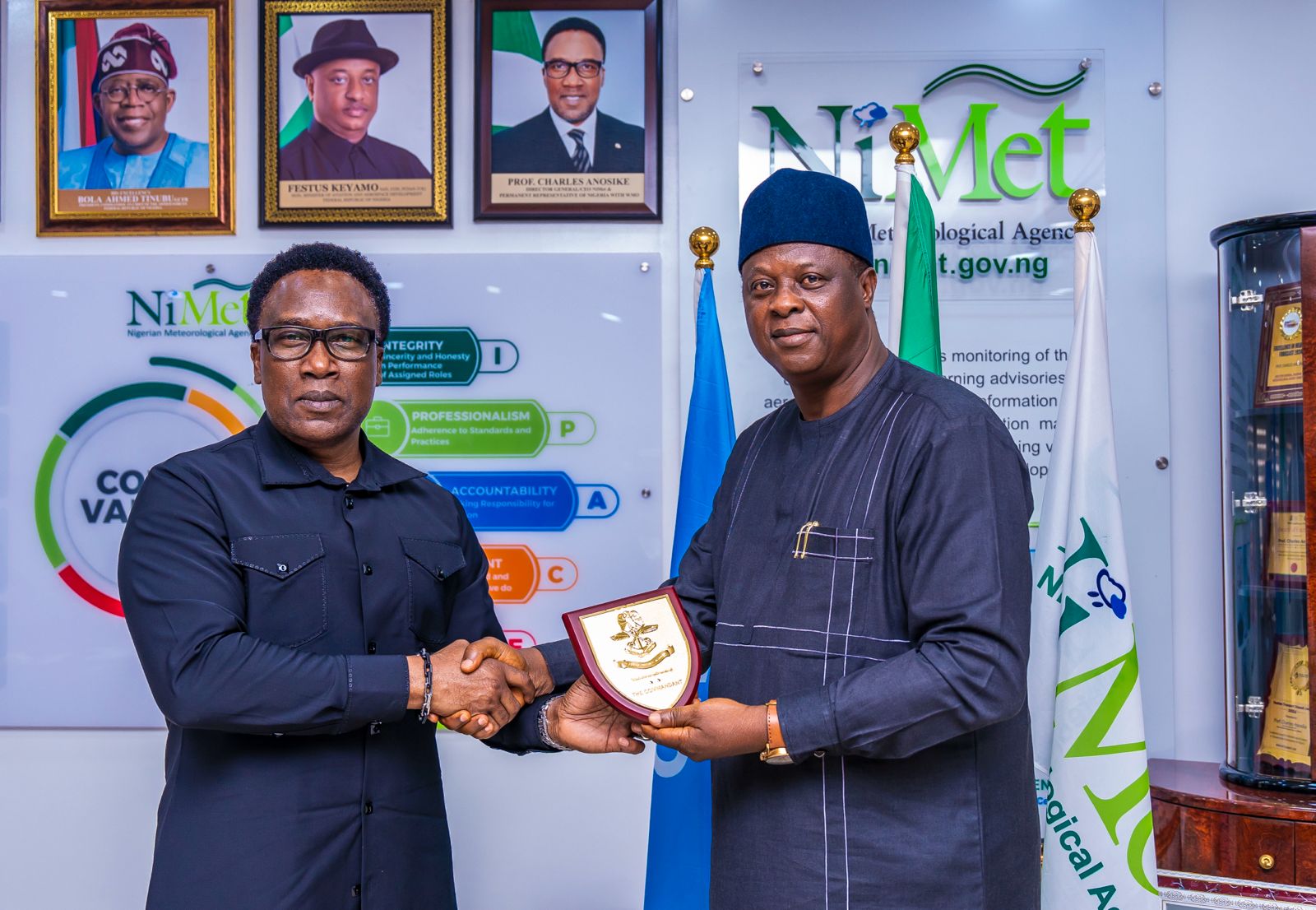
The Nigerian Meteorological Agency (NiMet) and the Nigerian Defence Academy (NDA) are exploring areas of strategic collaboration to strengthen meteorological training, research and capacity development, particularly in the application of weather and climate information to military operations and national security.
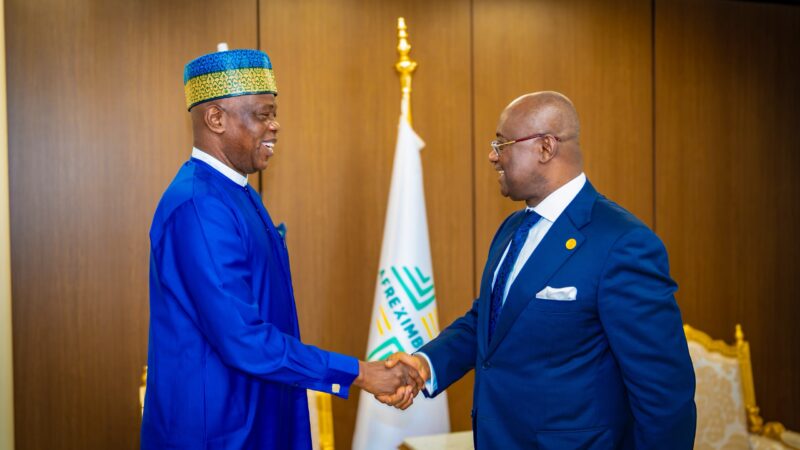
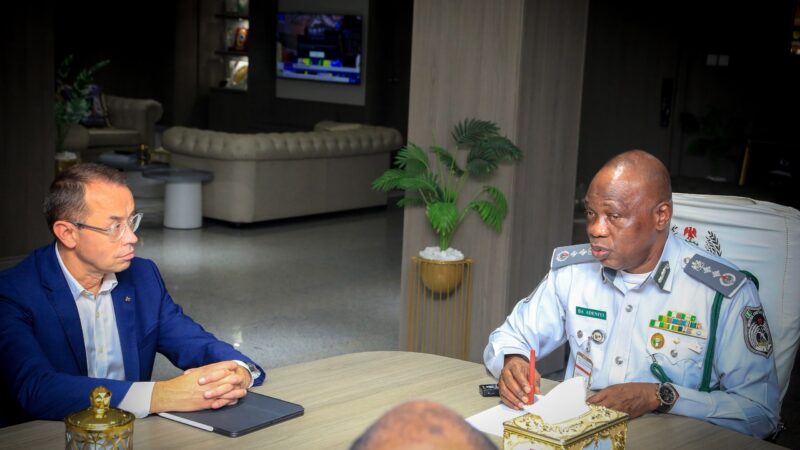
The Director-General and Chief Executive Officer of NiMet, Professor Charles Anosike, received the Academy Provost of the NDA, Professor B.J. Ajibuah, during a courtesy visit to the agency’s headquarters in Abuja on Thursday, 22 October 2026.
The visit provided an opportunity for both institutions to strengthen their existing institutional relations and explore areas of mutual interest, with emphasis on leveraging meteorological expertise to improve military training, operational planning and decision-making.
Discussions between the two institutions focused on integrating meteorological knowledge and weather and climate services into military training programmes and operational planning.
The initiative is expected to explore how reliable weather information and climate-related knowledge could support military personnel in making informed decisions in the discharge of their responsibilities.
Weather conditions can influence military operations, including aviation activities, field exercises, logistics, surveillance and the movement of personnel and equipment.
Access to timely and reliable meteorological information can therefore support operational preparedness, risk assessment and the effective deployment of resources.
Beyond operational applications, NiMet and the NDA also explored opportunities for specialised training, professional development, joint research and knowledge exchange aimed at strengthening the technical capabilities of their personnel.
The proposed areas of cooperation would provide opportunities for personnel of both institutions to share expertise, develop professional skills and undertake research on issues at the intersection of meteorology, defence and national security.
As part of efforts to establish a structured and sustainable partnership, the institutions considered the possibility of signing a Memorandum of Understanding (MoU).
The proposed agreement is expected to provide a formal framework for cooperation, identify priority areas of engagement and facilitate the implementation of mutually beneficial initiatives.
An MoU could also help define the responsibilities of both institutions, establish mechanisms for joint activities and provide a basis for sustained collaboration in training, research and professional development.
The engagement underscores the potential value of partnerships between specialised government agencies and military institutions in addressing operational challenges through the application of scientific knowledge and technical expertise.
For NiMet, collaboration with the NDA could provide an avenue to extend the practical application of its meteorological and climate services to defence-related activities.
For the academy, access to specialised meteorological expertise could strengthen the integration of weather and climate considerations into relevant aspects of military education and operational planning.
The proposed partnership also reflects the broader importance of applying scientific research and professional training to national security and development objectives.
As weather and climate conditions continue to present challenges across different sectors, stronger institutional cooperation could help improve access to relevant information, enhance technical competence and promote evidence-based decision-making.
Although the discussions are still at the exploratory stage, the consideration of an MoU signals the interest of both institutions in establishing a more structured relationship that could support long-term cooperation.
The proposed collaboration is expected to centre on practical initiatives that draw on the respective strengths of NiMet and the NDA, particularly in meteorological training, research, knowledge exchange and capacity development.
The engagement forms part of broader efforts to strengthen institutional partnerships and promote the use of specialised expertise in addressing Nigeria’s security and development priorities.