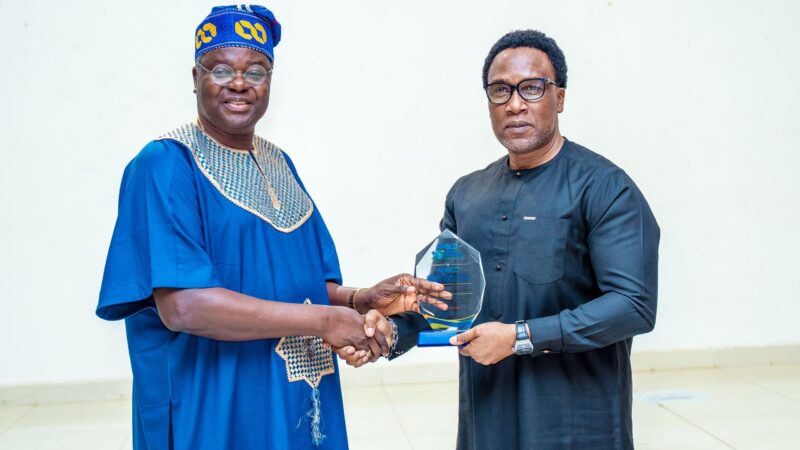

NiMet, Partners Complete Climate Risk Management Training to Boost Farmers’ Resilience
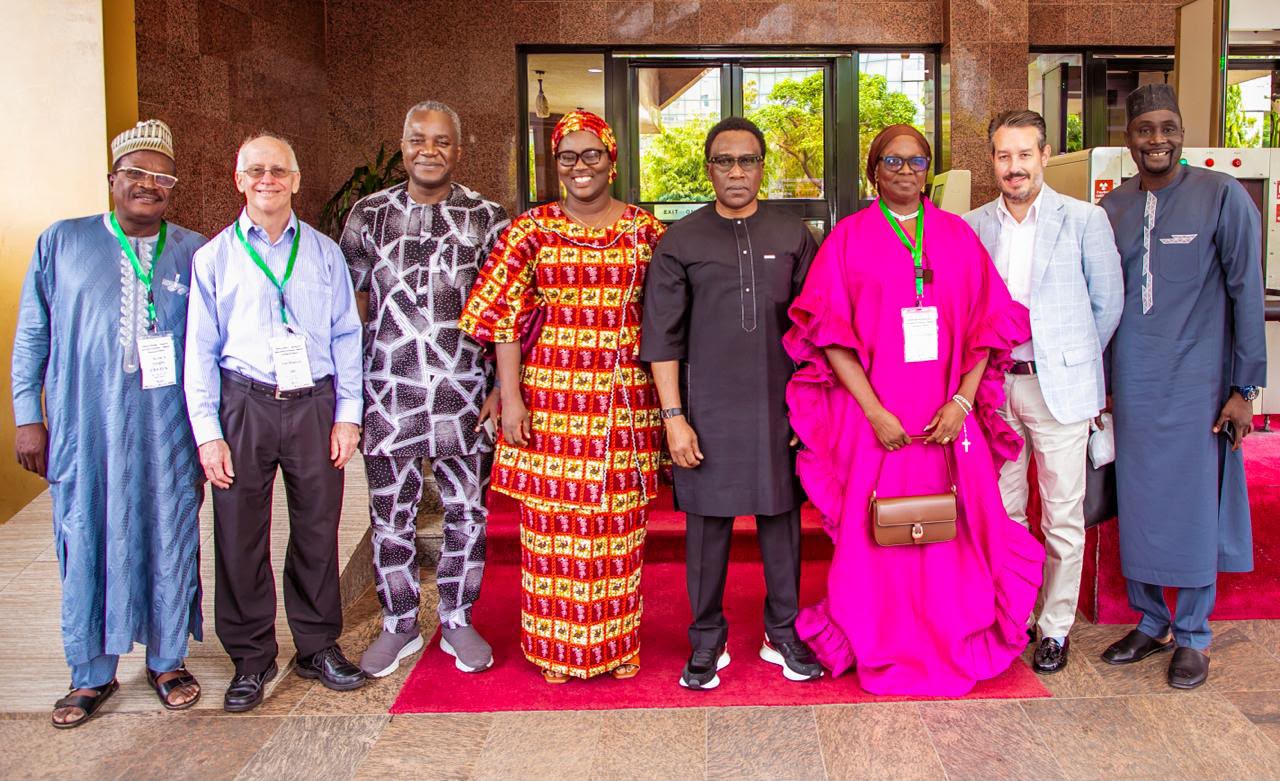
The Nigerian Meteorological Agency (NiMet), in collaboration with the International Livestock Research Institute (ILRI), the Alliance for a Green Revolution in Africa (AGRA), the Stockholm Environment Institute (SEI), the Sasakawa Africa Association and other development partners, has concluded a 10-day Climate Risk Management in Agricultural Extension (CRMAE) Training of Trainers workshop aimed at strengthening climate-smart agricultural advisory services across Nigeria.
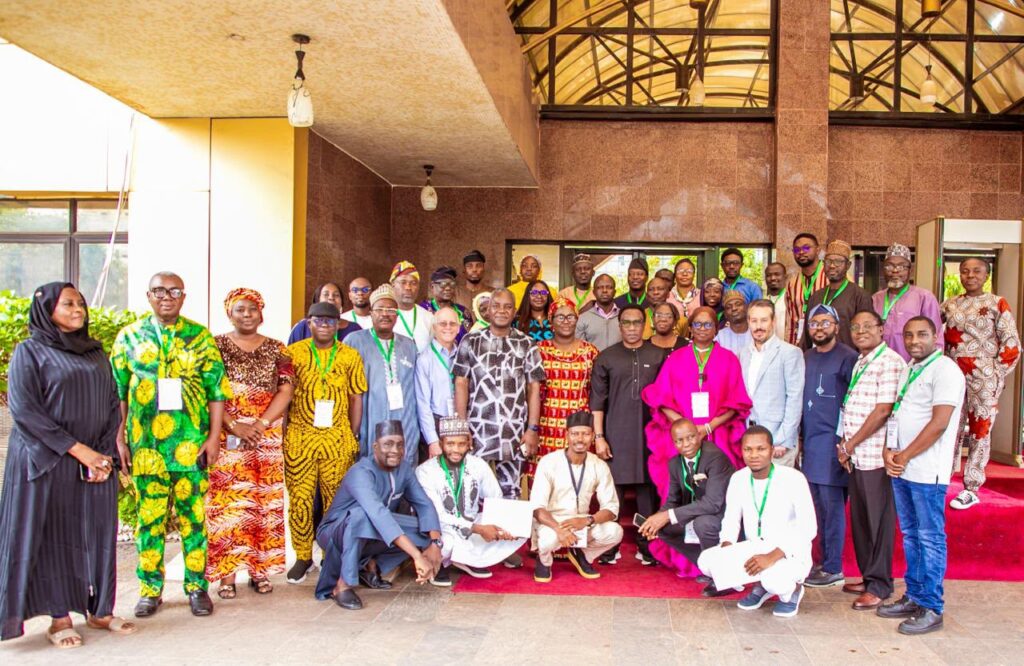
The workshop, which ended in Abuja, brought together agricultural extension professionals from across the country to equip them with the knowledge and skills required to help farmers better respond to the growing challenges posed by climate change.
The closing ceremony was chaired by the Director-General and Chief Executive Officer of NiMet, Prof. Charles Anosike, and attended by key stakeholders, including Dr Esther Ibrahim, Programme Officer, AGRA Nigeria, representing the AGRA Country Director; ILRI Representative, Mr Pierre Sibiry; resource person, Dr Jim Hansen; Country Director of the Sasakawa Africa Association, Dr Godwin Atser; and Dr Victoria Pillah of the National Universities Commission (NUC).
Speaking at the event, Prof. Anosike described agricultural extension officers as the vital link between climate services and farmers, emphasising that they play a crucial role in translating weather and climate information into practical farming advice.
According to him, extension officers help farmers make informed decisions on planting dates, crop selection, water management and other climate-sensitive agricultural activities, thereby improving productivity and reducing the risks associated with changing weather patterns.
He said the successful completion of the training demonstrated the shared commitment of NiMet and its development partners to ensuring that climate information is not only available but also accessible, understandable and useful to farmers across Nigeria.
Prof. Anosike explained that the Nigeria-adapted Climate Risk Management in Agricultural Extension curriculum would significantly strengthen the capacity of agricultural extension personnel to provide climate-informed advisory services capable of improving farming outcomes.
He cited evidence showing that effective and localised agricultural extension services could increase farm productivity by between 20 and 30 per cent while simultaneously reducing farmers’ vulnerability to climate-related shocks.
The NiMet Director-General urged participants to extend the knowledge and skills acquired during the training to extension networks, farmer groups, cooperatives and rural communities across the country.
He stressed that the true success of the programme would not be measured merely by the number of trained participants but by its impact on farmers’ livelihoods, enhanced resilience to climate change and improved national food security.
Prof. Anosike also reaffirmed NiMet’s commitment to institutionalising and promoting the widespread adoption of the Climate Risk Management in Agricultural Extension curriculum as part of the agency’s broader efforts to strengthen climate services for agriculture and support Nigeria’s food security agenda.
Speaking on behalf of the AGRA Country Director, Dr Esther Ibrahim described climate risk management as an indispensable component of modern agricultural extension services.
She encouraged participants to put the knowledge acquired during the training into practice by providing farmers with timely, reliable and actionable climate information that would enable them to make informed decisions and build more resilient farming systems.
The workshop concluded with the presentation of certificates to participants, who are expected to replicate the training within extension networks and farming communities nationwide.
The initiative is expected to bridge the gap between climate science and practical agricultural decision-making, empowering farmers with the information needed to adapt to climate variability, improve productivity and strengthen resilience against climate-related risks.