
Mikano Motors Introduces Deepal to Nigerian Market, Bets on Electric Range-Extended Technology
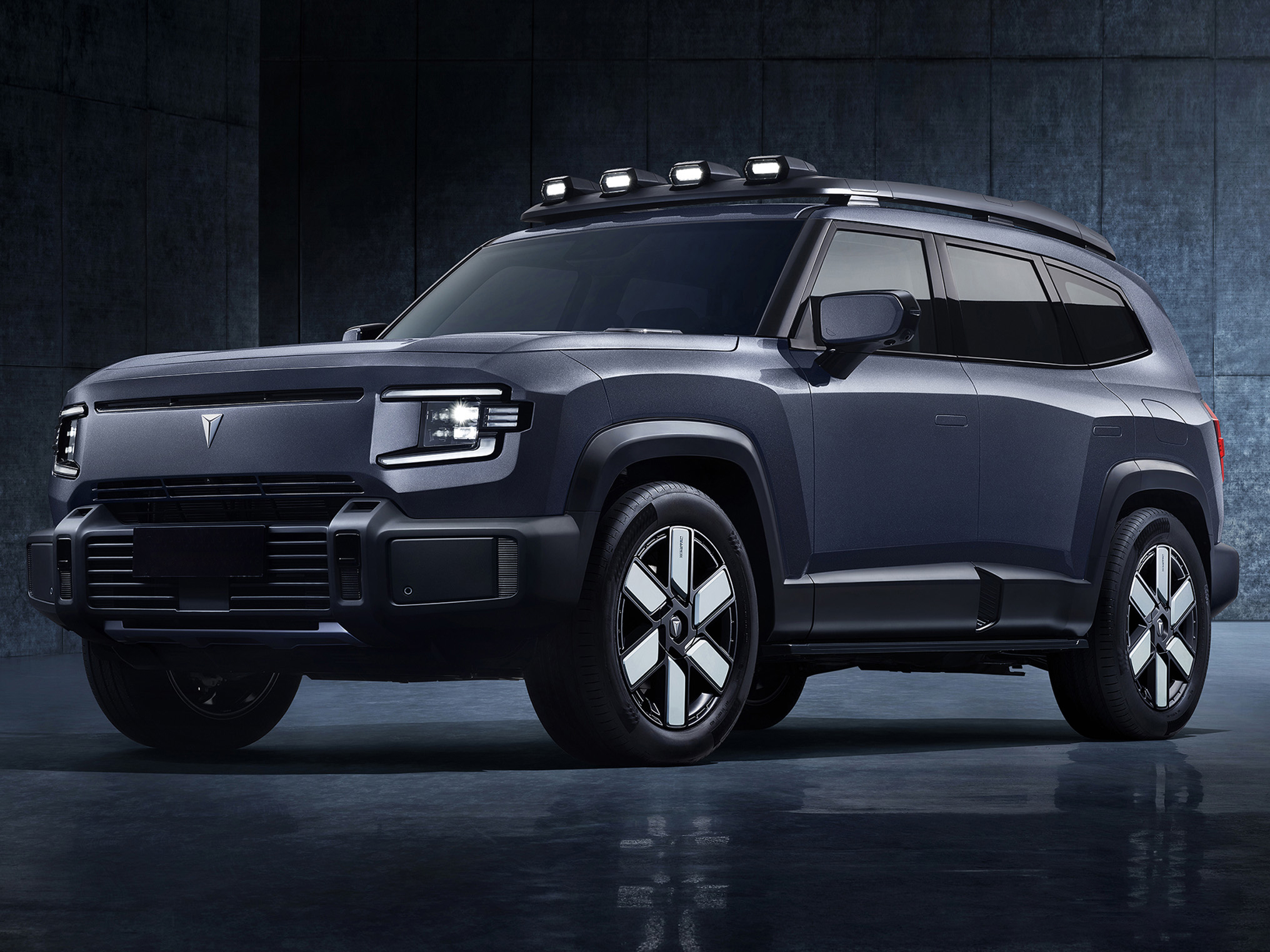
Mikano Motors has expanded its footprint in Nigeria’s automotive industry with the introduction of Deepal, a new-generation vehicle brand designed to combine electric mobility, advanced technology and contemporary lifestyle features.
The brand was unveiled on November 13, 2026, as the company seeks to provide Nigerian motorists with alternative mobility solutions that offer improved efficiency, driving comfort and reduced environmental impact.
Deepal’s entry into the Nigerian market is anchored on its Range Extended Electric Vehicle (REEV) technology, which uses an electric motor to power the wheels while an onboard range extender generates electricity to support the battery when necessary.
The system is designed to address some of the challenges associated with conventional electric vehicles, particularly concerns about charging infrastructure and the ability to undertake longer journeys.
Under the arrangement, motorists can enjoy the smooth and responsive driving experience of an electric vehicle without relying entirely on access to charging stations, making the technology particularly relevant to markets where charging infrastructure is still developing.
Mikano Motors said the introduction of Deepal was part of its commitment to bringing innovative automotive technologies closer to Nigerian consumers while responding to changing mobility requirements.
The company also highlighted the vehicles’ suitability for Nigerian driving conditions and backed the offering with a six-year or 200,000-kilometre warranty, which it said was intended to strengthen customer confidence and provide reassurance throughout the ownership period.
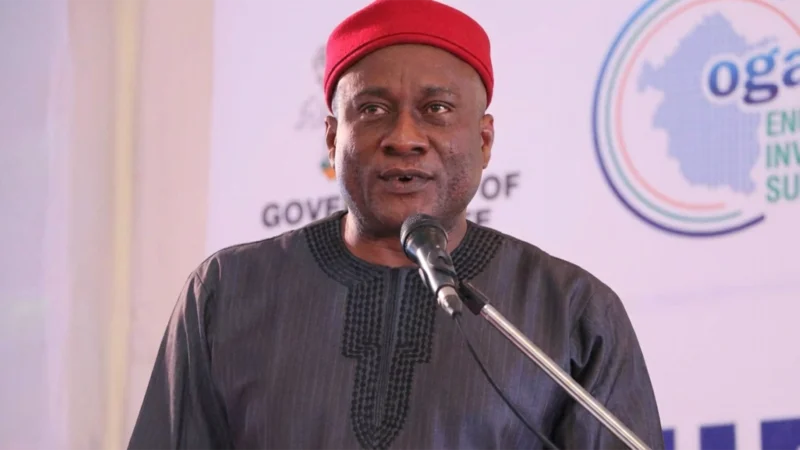
Speaking at the unveiling, a representative of Mikano Motors traced the company’s entry into the automotive industry to its founder’s ambition to establish a manufacturing-driven business rather than limit its operations to trading.
He recalled that when his father arrived in Nigeria in 1990, his vision was to build an industrial enterprise capable of contributing to the country’s economic development.
“When my father came to Nigeria in 1990, his ambition was never to simply trade in generators. He wanted to build an industry and a household brand,” he said.
He explained that the company gradually expanded from generator assembly into steel fabrication and electrical panel manufacturing before diversifying into real estate, medical manufacturing and the automotive sector.
According to him, Mikano’s expansion into automobile manufacturing was guided by the same philosophy of building local capacity, creating employment and introducing products that could compete with international standards.
He acknowledged that the company’s initial experience in the Nigerian automotive market was challenging, partly because of consumer perceptions about Chinese vehicle brands and the strong preference for established Japanese manufacturers.
The representative also identified the large market for second-hand imported vehicles as another factor that complicated the acceptance of new vehicle brands.
However, he said Mikano had continued to invest in quality and customer relationships, relying on the confidence it had built over more than three decades of operations in Nigeria.
“That trust has not come overnight. It has been built through consistency, hard work, quality products and an unwavering commitment to delivering on our promises,” he said.
He described the partnership with Deepal’s manufacturing partner, identified in the speech as Shungun, as an important step towards making innovative and high-quality automobiles more accessible to Nigerians.
The company also linked the launch to its broader ambition of contributing to the development of Nigeria’s automotive industry, particularly through local assembly, technology transfer, employment generation and reduced dependence on imported vehicles.
The representative observed that Nigeria imports more than one million vehicles annually, with only a small proportion consisting of brand-new automobiles, describing the situation as an opportunity for local manufacturers and assemblers to deepen their participation in the market.
“Our long-term vision is to help build a strong automobile industry in Nigeria, an industry that can create meaningful employment, develop local skills, strengthen our economy, transfer technology and knowledge, while also reducing our dependency on imports,” he said.
He stressed that Mikano’s investment in the automotive business extended beyond vehicle sales, noting that the company was developing showrooms, technical expertise, genuine spare parts distribution and after-sales service infrastructure.
“We are not simply bringing vehicles into this country. We are bringing a complete automotive experience,” he said.
He added that customer relationships should extend beyond the purchase of a vehicle, arguing that dependable maintenance, technical support and access to genuine spare parts were essential components of vehicle ownership.
Beyond the vehicle presentation, the launch was designed to reflect Deepal’s lifestyle proposition, bringing together selected lifestyle brands, creative activities and experiential engagements to demonstrate the relationship between mobility, technology and contemporary living.
With the introduction of Deepal, Mikano Motors is positioning itself to participate in the gradual transition towards alternative vehicle technologies in Nigeria, while seeking to address concerns around reliability, affordability, maintenance and the practicality of electric mobility.