
Customs CGC Adeniyi Commends BAT’s Compliance, Urges Investors to Emulate Business Model
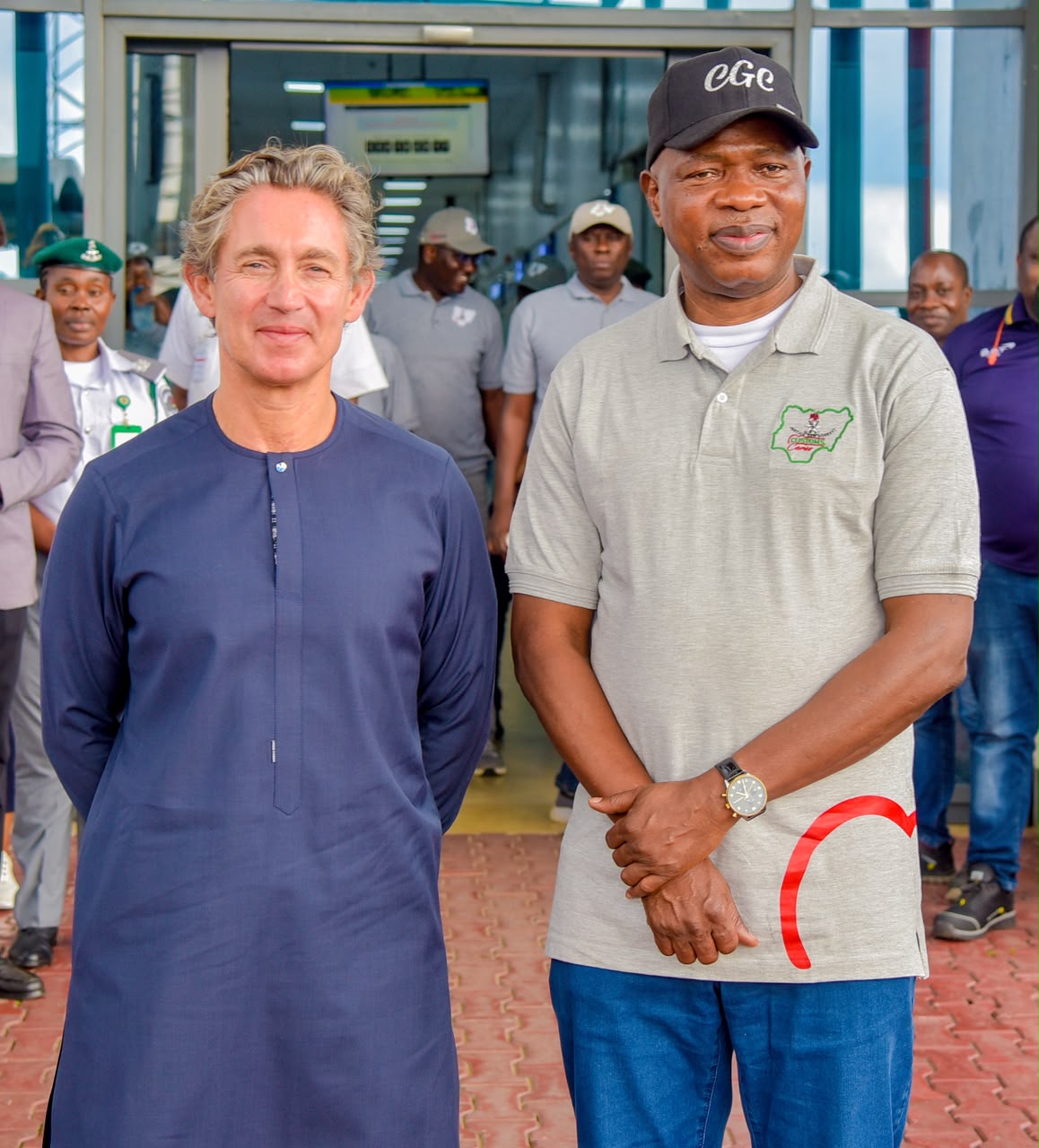
The Comptroller-General of the Nigeria Customs Service (NCS), Adewale Adeniyi, has commended British American Tobacco (BAT) for its high level of regulatory compliance, contribution to government revenue and support for local economic activities.
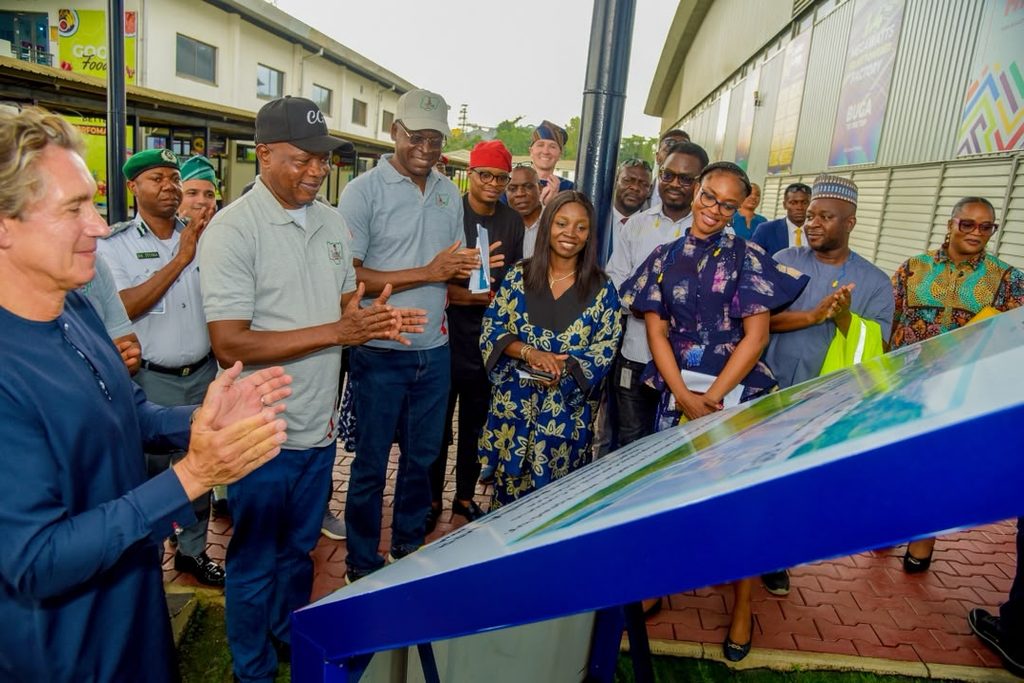
Adeniyi made the commendation on Monday, September 14, 2026, during a visit to BAT’s manufacturing facility in Ibadan, Oyo State, where he described the investment as an example of the type of industrial activity capable of supporting Nigeria’s economic diversification efforts.
The Customs chief said the company’s operations demonstrated that investors could achieve commercial success while complying with regulatory requirements and contributing to the communities and economy in which they operate.
He particularly praised BAT’s compliance record, noting that the company had demonstrated a strong commitment to operating within the rules governing its business.
“As a customs officer, I cannot but notice the high level of commitment to compliance. So I’m indeed very, very grateful. And I would say that this is one investment that Nigeria got right, and I wish we could have so many companies giving this kind of opportunity and giving back this much to Nigeria,” Adeniyi said.
According to him, BAT’s operations contribute to the Nigerian economy through several channels, including the payment of customs duties on imported inputs and excise duties on products manufactured locally.
He added that beyond revenue generation, the company’s presence contributes to employment creation and supports local agricultural activities, thereby generating economic opportunities beyond the factory itself.
Adeniyi said the visit was also in line with the Federal Government’s efforts to promote a more diversified, non-oil and export-oriented economy under President Bola Ahmed Tinubu.
He said the NCS had been repositioned to facilitate legitimate trade and support businesses seeking to participate in international markets, particularly through measures aimed at making exports more efficient.
The Customs boss highlighted the establishment of specialised export structures by the service, particularly in Lagos, as part of efforts to strengthen Nigeria’s export capacity.
“We have established a terminal, a command that is specifically looking after issues of exports. So that’s the only thing they do in that particular command in Lagos. We have a number of exports processing terminals in and around Lagos that are tied to that command where exports are being processed,” he said.
Adeniyi explained that strengthening export processing was important to the Federal Government’s objective of reducing dependence on crude oil earnings by encouraging the production and export of goods with greater domestic value addition.
He urged investors operating in Nigeria to take lessons from BAT’s approach to regulatory compliance, integrity and corporate responsibility.
“In terms of size, this is probably the biggest in terms of size of operation in Africa. So we invite other investors; they should take their cue from here,” Adeniyi said.
He added: “As we invite them, we’re also asking them to play according to the rules, the way BAT is doing it, a company that is committed to a high level of compliance, a high level of integrity in their operations, and making a significant impact in the society where they serve.”
The CGC said adherence to regulatory requirements should not be viewed solely as an obligation imposed on businesses, but as an important component of building a sustainable investment environment.
He maintained that when businesses comply with applicable laws, pay their statutory obligations and contribute to their host communities, both the investors and the government stand to benefit.
According to him, such an approach creates a “win-win situation” by encouraging investment, increasing government revenue, creating employment opportunities and strengthening economic activities around industrial operations.
He also linked the company’s activities to the broader objective of strengthening domestic production and reducing the country’s dependence on imported goods.
Adeniyi’s comments come amid the Federal Government’s efforts to mobilise investment into productive sectors of the economy and increase non-oil revenue, while also improving the environment for legitimate businesses to operate.
The NCS has in recent years placed greater emphasis on trade facilitation alongside its traditional revenue collection and border enforcement responsibilities, with Customs authorities repeatedly stressing the need to balance revenue generation with measures that support legitimate commerce.
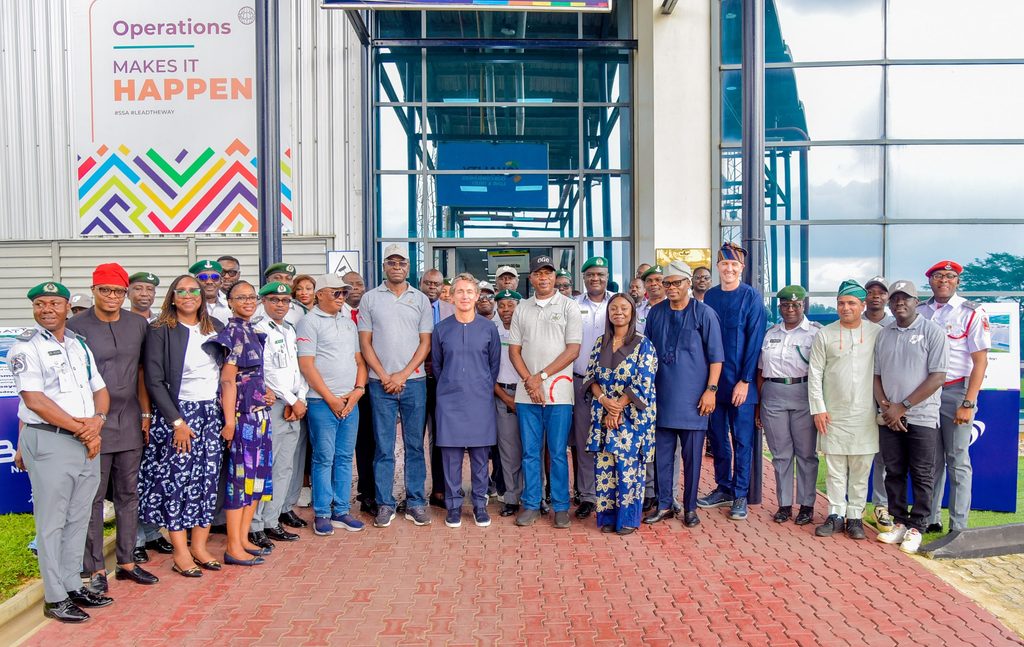
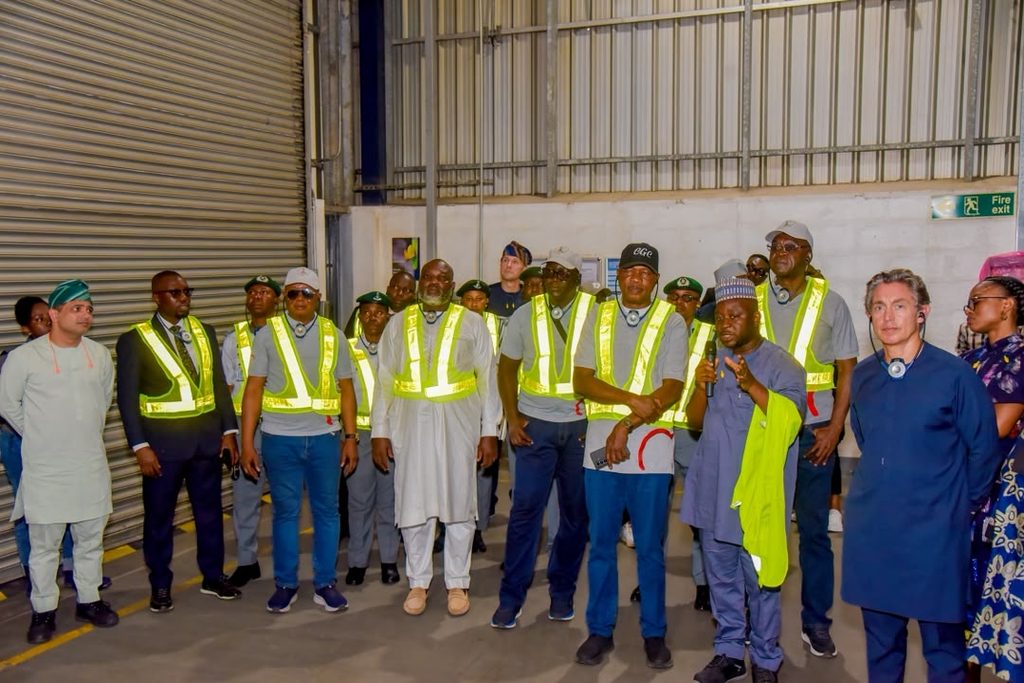
During the visit, Adeniyi toured the BAT manufacturing facility to gain first-hand insight into its operations and also participated in a tree-planting exercise as part of the company’s environmental sustainability initiative.
The exercise formed part of BAT’s efforts to promote environmental responsibility alongside its industrial activities.
The factory tour and engagement provided an opportunity for the Customs management to interact with the company on its operations, compliance obligations and contribution to the Nigerian economy.
Adeniyi’s visit ultimately underscored the NCS’s call for greater collaboration between regulators and compliant businesses, particularly as Nigeria seeks to attract investment, expand domestic production, boost exports and broaden government revenue sources beyond the oil sector.