

Customs seizes 56 containers of prohibited goods worth N5.53bn, vows to protect local production
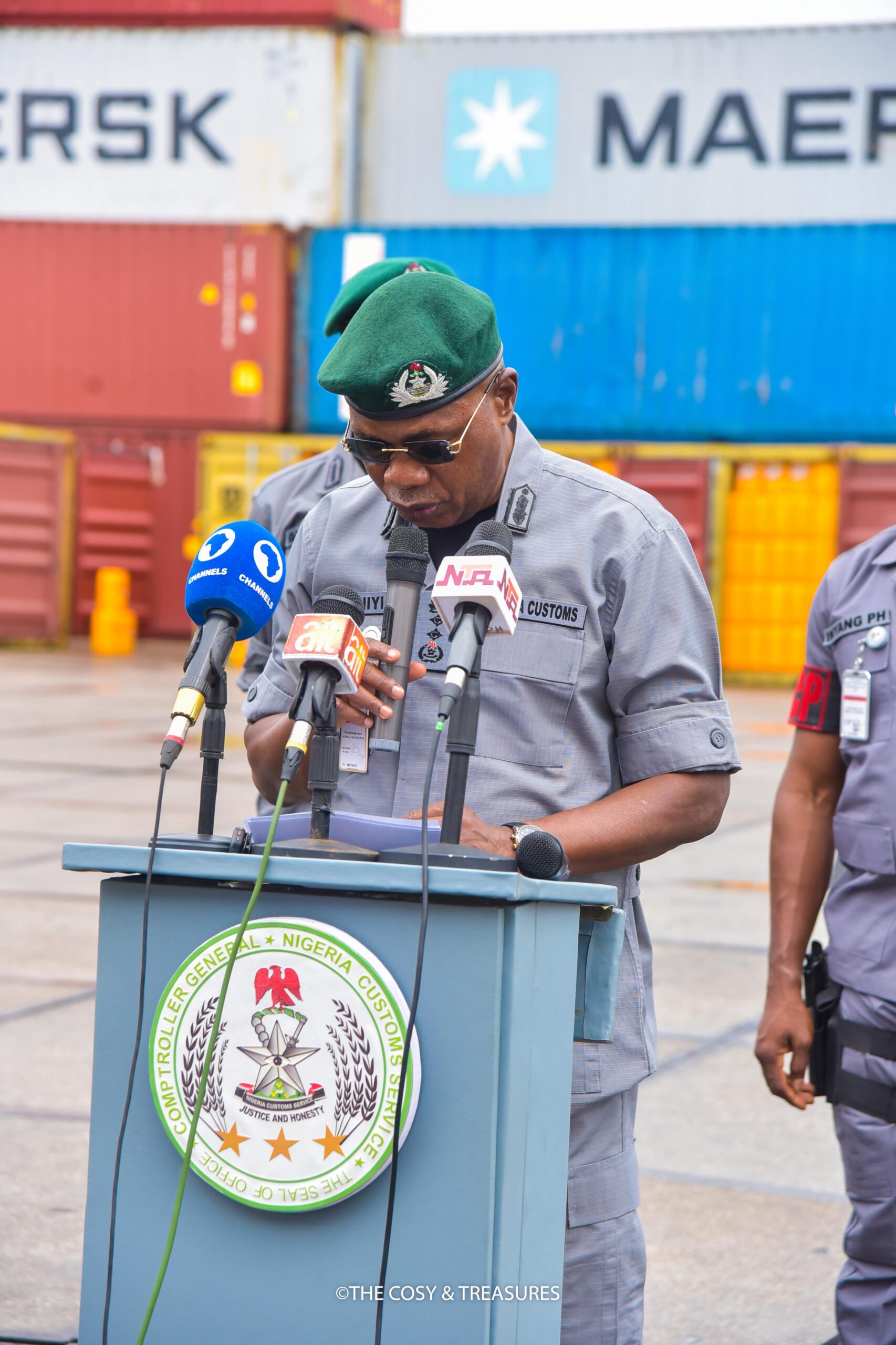
The Nigeria Customs Service (NCS) has intercepted 56 containers containing prohibited and improperly imported goods with a total duty paid value of N5.53 billion, as part of efforts to protect Nigerian farmers, manufacturers and other domestic producers from unfair competition.
The Comptroller-General of Customs, Adewale Adeniyi, disclosed the seizure on Tuesday, 15 September 2026, while briefing journalists at the Port Harcourt II Area Command, Onne, Rivers State.
Adeniyi said the interception was the outcome of intelligence-driven and risk-based operations aimed at preventing prohibited, restricted and improperly declared consignments from entering the Nigerian market.
He said the enforcement action was necessary to safeguard domestic production and prevent illegal imports from undermining businesses operating within Nigeria.
According to him, unchecked importation of goods that could be produced or processed locally puts additional pressure on farmers, manufacturers and other domestic producers by exposing them to unfair competition.
“The intervention formed part of intelligence-driven and risk-based operations aimed at preventing prohibited, restricted and improperly declared consignments from entering the Nigerian market, thereby crippling the overall productivity of our local businesses,” he said.
The Customs boss said the consequences of large-scale importation extended beyond individual businesses, stressing that the practice could weaken demand for locally produced goods and discourage investment across domestic value chains.
He noted that the agricultural and manufacturing sectors were particularly vulnerable to the effects of excessive importation of products that could be produced or processed within the country.
“The economic impact is especially significant in the agricultural and manufacturing sectors. Large-scale importation of products that Nigeria can produce or process may undermine the Federal Government’s efforts to promote local industries, strengthen food security, create jobs, and diversify the economy,” Adeniyi said.
The CG said the latest interception was consistent with the Federal Government’s broader economic objectives, particularly policies designed to promote made-in-Nigeria products, stimulate domestic production and strengthen the country’s productive capacity.
He stressed, however, that Customs enforcement was not intended to frustrate legitimate businesses or impede lawful international trade.
Rather, Adeniyi said the Service was seeking to create a trading environment in which compliant businesses could operate within clear and predictable rules while consignments considered high-risk received enhanced scrutiny.
“Customs enforcement is not designed to frustrate legitimate businesses, but to ensure that Nigerians and compliant businesses operated within a fair, secure and predictable trading environment,” he said.
He added that the NCS’s risk-based approach allowed the Service to facilitate legitimate cargo while concentrating its enforcement resources on consignments considered to pose greater risks to the economy, national security or compliance with import regulations.
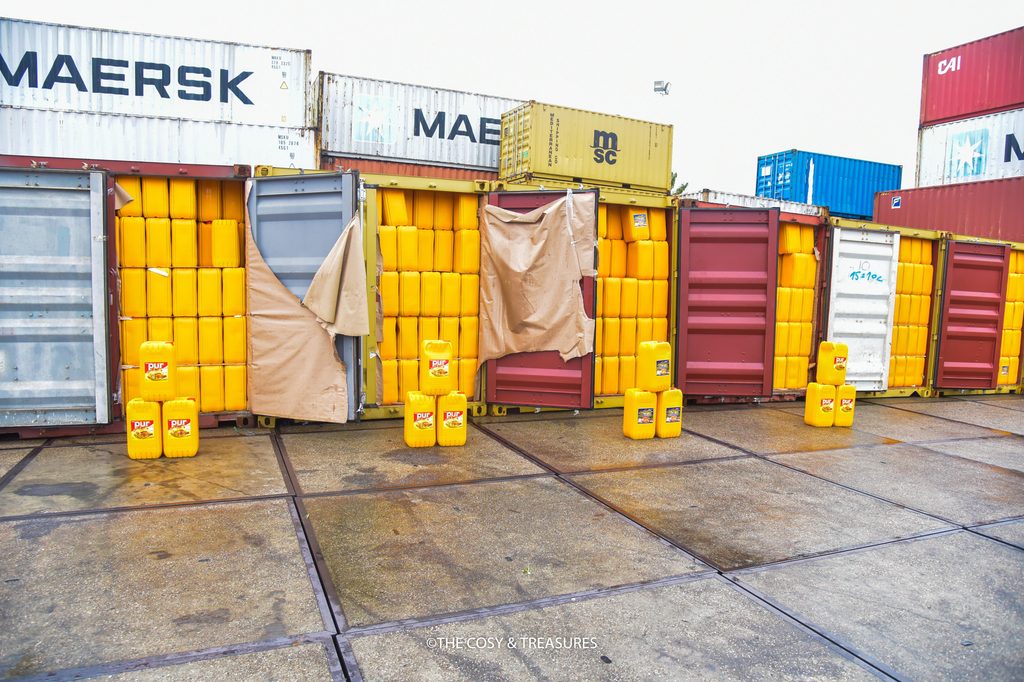
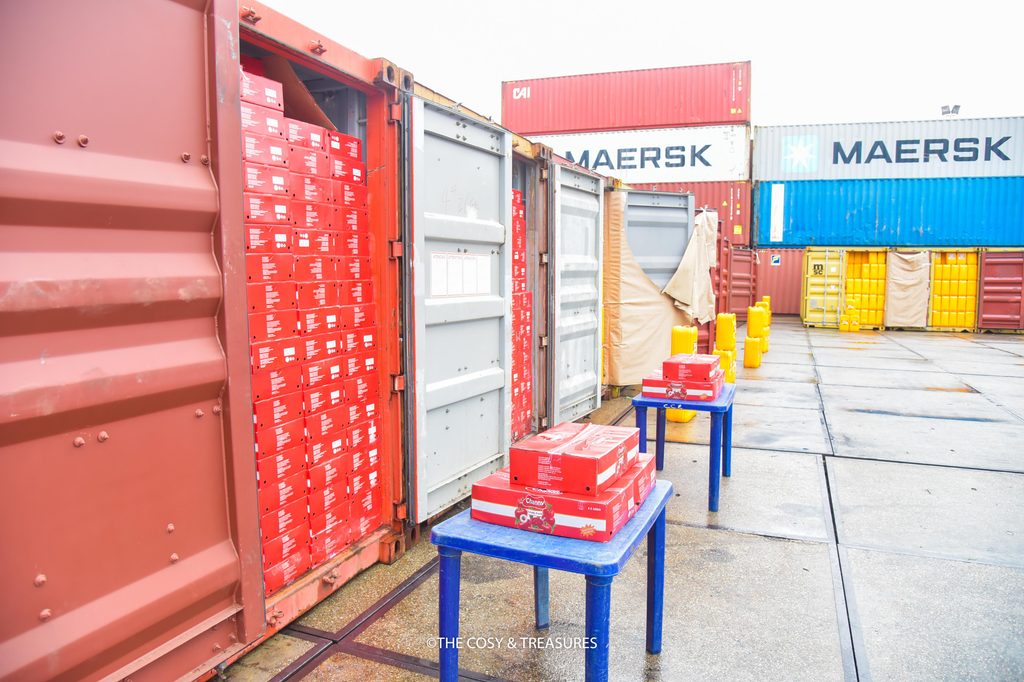
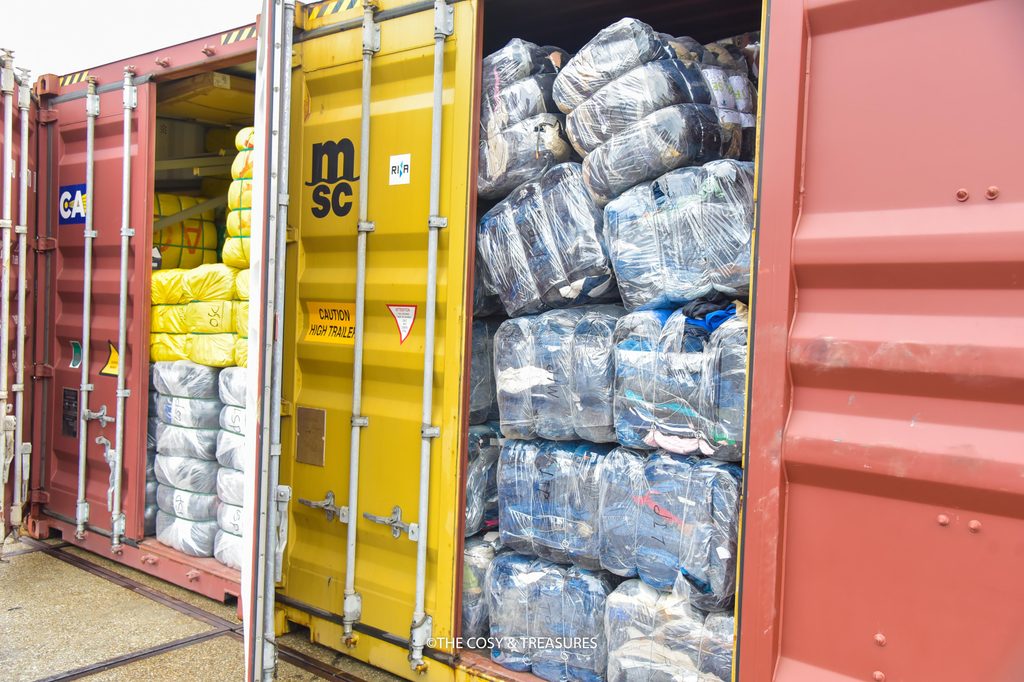
The 56 containers intercepted by officers of the Port Harcourt II Area Command comprised 45 20-foot containers of foreign vegetable oil, nine 40-foot containers of used clothing and two 20-foot containers of Channy tomato paste.
The seizures highlight the continued enforcement of restrictions on certain categories of imports as the government seeks to encourage domestic production and reduce dependence on foreign goods.
Adeniyi commended the Customs Area Controller of the Port Harcourt II Area Command, Comptroller Aliyu Alkali, and officers under his command for the interceptions.
He also urged importers and other stakeholders in international trade to establish the admissibility of their intended imports before commencing transactions.
The CG further advised importers to ensure that all declarations submitted to Customs accurately reflected the description, quantity, value, origin and classification of their goods.
He warned that inaccurate or false declarations could expose importers to enforcement actions and other consequences under the country’s customs laws and regulations.
The NCS has increasingly emphasised intelligence-led and risk-based enforcement as a means of balancing trade facilitation with border control and economic protection.
For domestic manufacturers and farmers, the Customs position reflects a wider policy objective of creating an environment in which locally produced goods can compete without being undermined by prohibited, undervalued, misclassified or improperly declared imports.
The latest seizures at Onne therefore represent not only a revenue and border-control intervention but also part of the Service’s stated effort to support domestic production, protect jobs and reinforce compliance within Nigeria’s import trade.