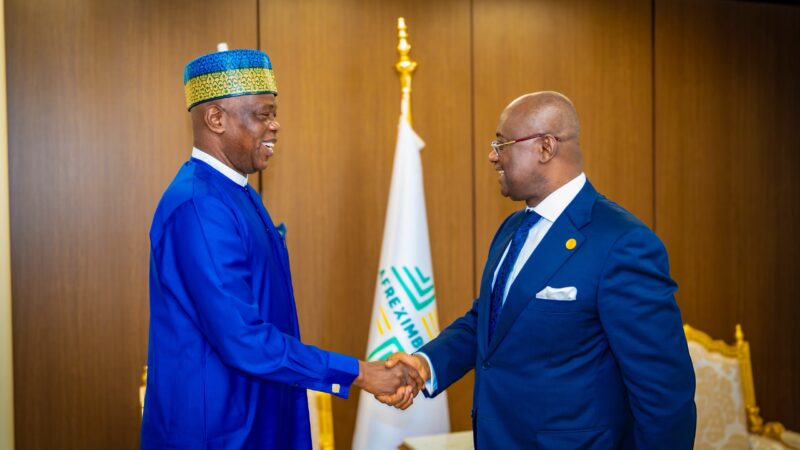

NiMet, ILRI Train Agricultural Extension Professionals on Climate Risk Management to Boost Climate-Resilient Farming
The Nigerian Meteorological Agency (NiMet), in collaboration with the International Livestock Research Institute (ILRI), has commenced a 10-day Training of Trainers workshop on Climate Risk Management in Agricultural Extension (CRMAE), aimed at equipping agricultural extension professionals with the knowledge and skills needed to deliver climate information that will promote resilient and sustainable farming practices across Nigeria.
The workshop, which is taking place in Abuja from July 6 to July 17, forms part of an Alliance for a Green Revolution in Africa (AGRA) target-countries project designed to strengthen digital climate advisory services and build resilient agricultural systems across the African continent.
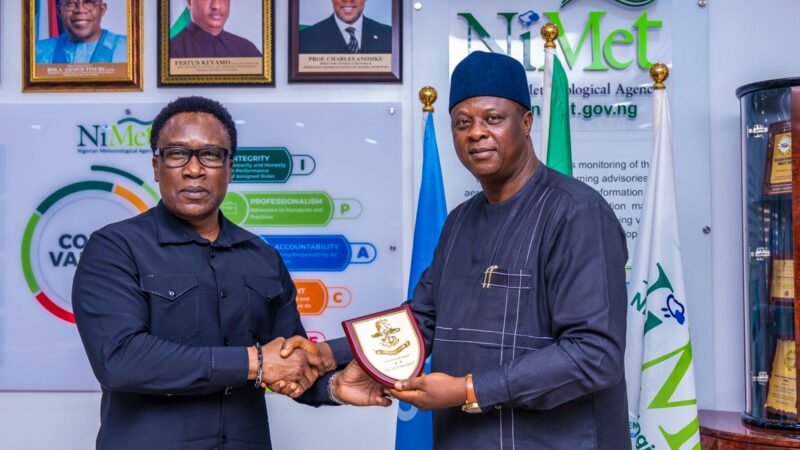
Speaking during the opening ceremony, the Director-General and Chief Executive Officer of NiMet, Professor Charles Anosike, stressed that climate variability and increasingly frequent extreme weather events continue to pose significant threats to agricultural productivity, food security and the livelihoods of millions of rural farmers.
He noted that Nigerian farmers are increasingly confronted with unpredictable rainfall patterns, prolonged dry spells, excessive heat, flooding, pest infestations and other climate-related shocks, making it imperative to transform scientific climate information into practical guidance that farmers can apply in their day-to-day agricultural activities.
According to him, NiMet remains committed to providing reliable weather and climate services that support planning, early warning systems and informed decision-making across weather-sensitive sectors, particularly agriculture.
Professor Anosike described agricultural extension officers as the critical bridge between climate science and farming communities, saying they play an essential role in translating meteorological information into practical decisions on planting dates, crop selection, water and soil management, agricultural inputs and disaster preparedness.
He explained that by adopting a “training the trainers” approach, the programme would significantly multiply the quality, reach and overall impact of climate services throughout Nigeria’s agricultural value chain.
“Training trainers will multiply the quality, reach and impact of climate services across Nigeria’s agricultural landscape,” the NiMet Director-General stated.
He further explained that the Nigeria-adapted Climate Risk Management in Agricultural Extension curriculum has been specifically developed to enable extension and advisory service providers integrate climate services into the support they offer smallholder farmers, thereby enhancing resilience and improving agricultural productivity.
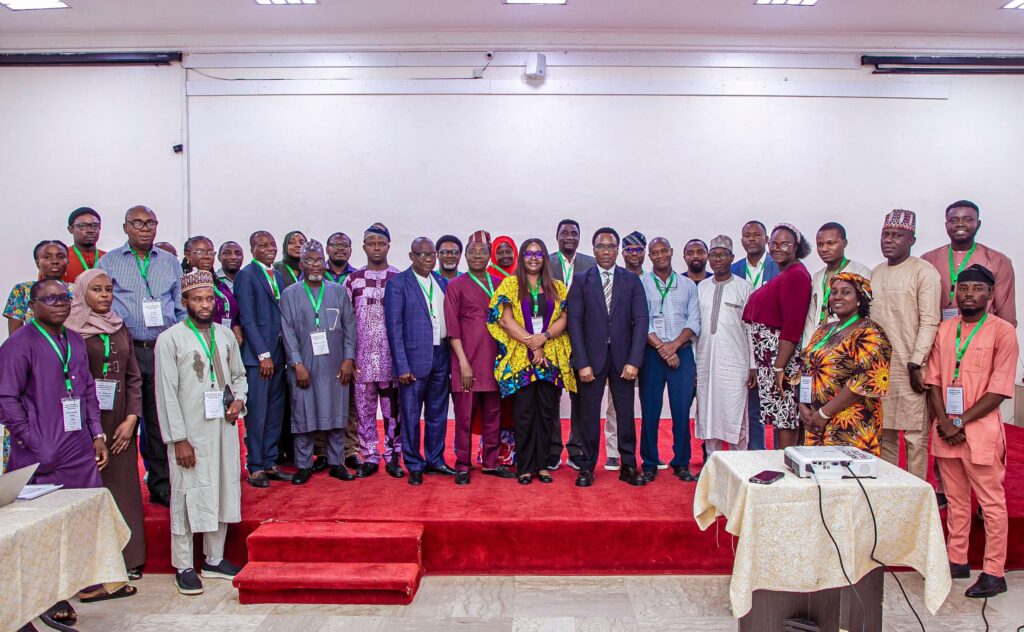
Professor Anosike encouraged participants to actively exchange ideas, share practical experiences, establish professional networks and ensure that the knowledge acquired during the workshop is disseminated through extension platforms, farmer associations, cooperatives and rural communities across the country.
He also expressed appreciation to the workshop’s partners, facilitators and participating institutions for their commitment to advancing climate-resilient agriculture, strengthening food security and promoting sustainable development in Nigeria.
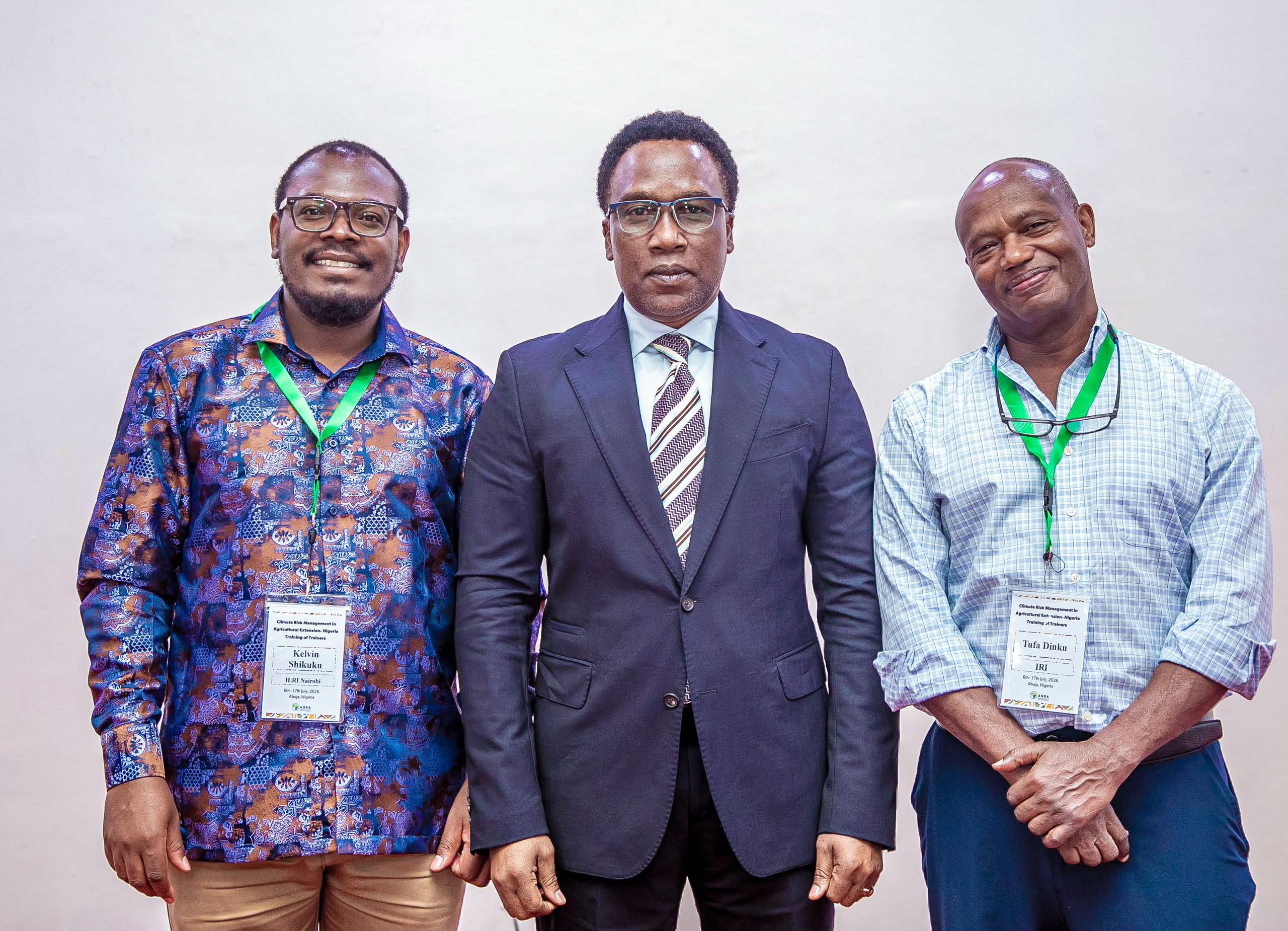
Delivering a goodwill message, Dr Kelvi Shikuku of the International Livestock Research Institute commended Professor Anosike for hosting the workshop and praised NiMet for its remarkable progress in strengthening climate services in Nigeria.
He noted that the agency has continued to play a pivotal role in improving access to climate information that supports agricultural planning and resilience.
Also speaking, the lead facilitator from the Stockholm Environmental Institute, Dr Tufa Dinku, highlighted the significance of the Climate Risk Management in Agricultural Extension curriculum, describing it as an important tool for enhancing farmers’ resilience to climate change.
Dr Dinku expressed confidence that NiMet, under the leadership of Professor Anosike, would successfully drive the full implementation of the curriculum across Nigeria, ensuring that extension professionals are equipped to deliver timely and actionable climate advisory services to farming communities.
The workshop is expected to strengthen the capacity of agricultural extension providers to support farmers with accurate climate information, improve adaptation strategies and contribute to the development of a more resilient and sustainable agricultural sector in Nigeria.